Skip to content

Cart

Your cart is empty

Article: How Often to Replace Wooden Utensils?

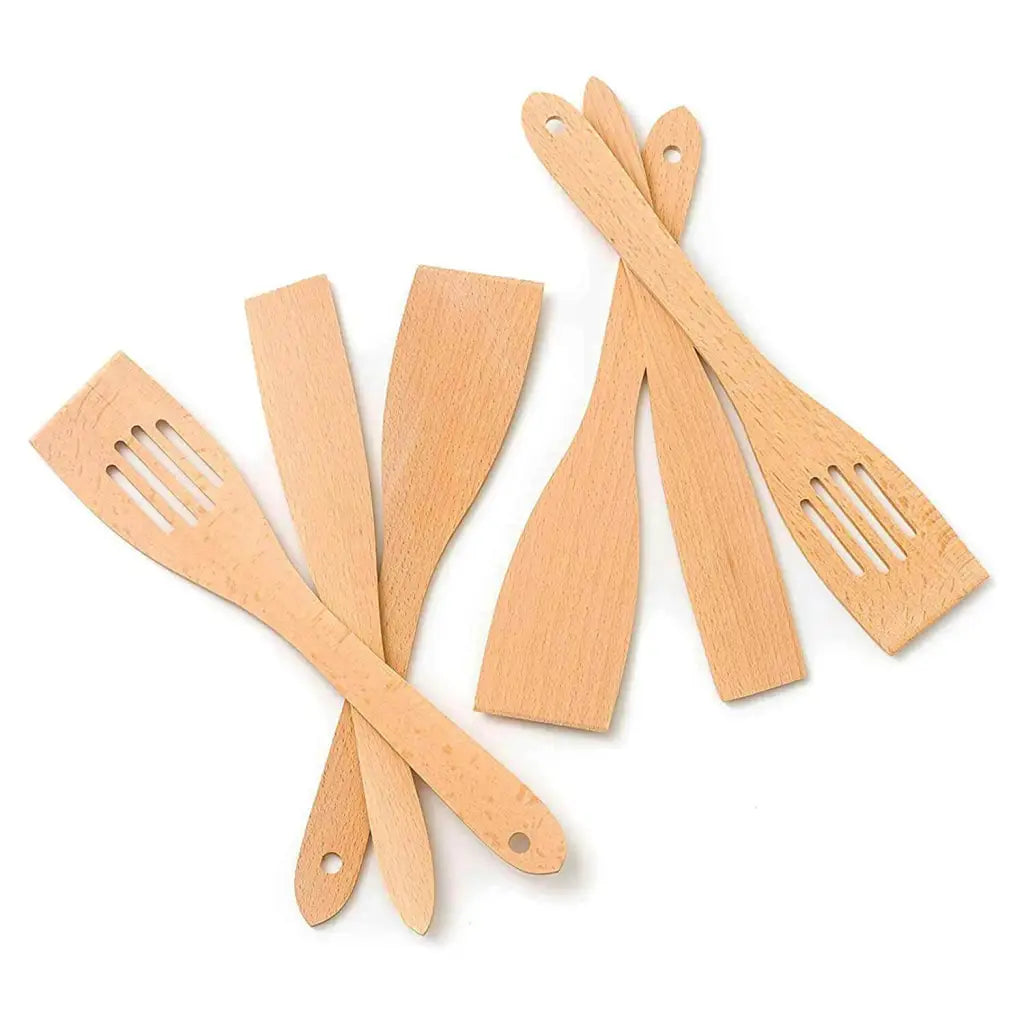
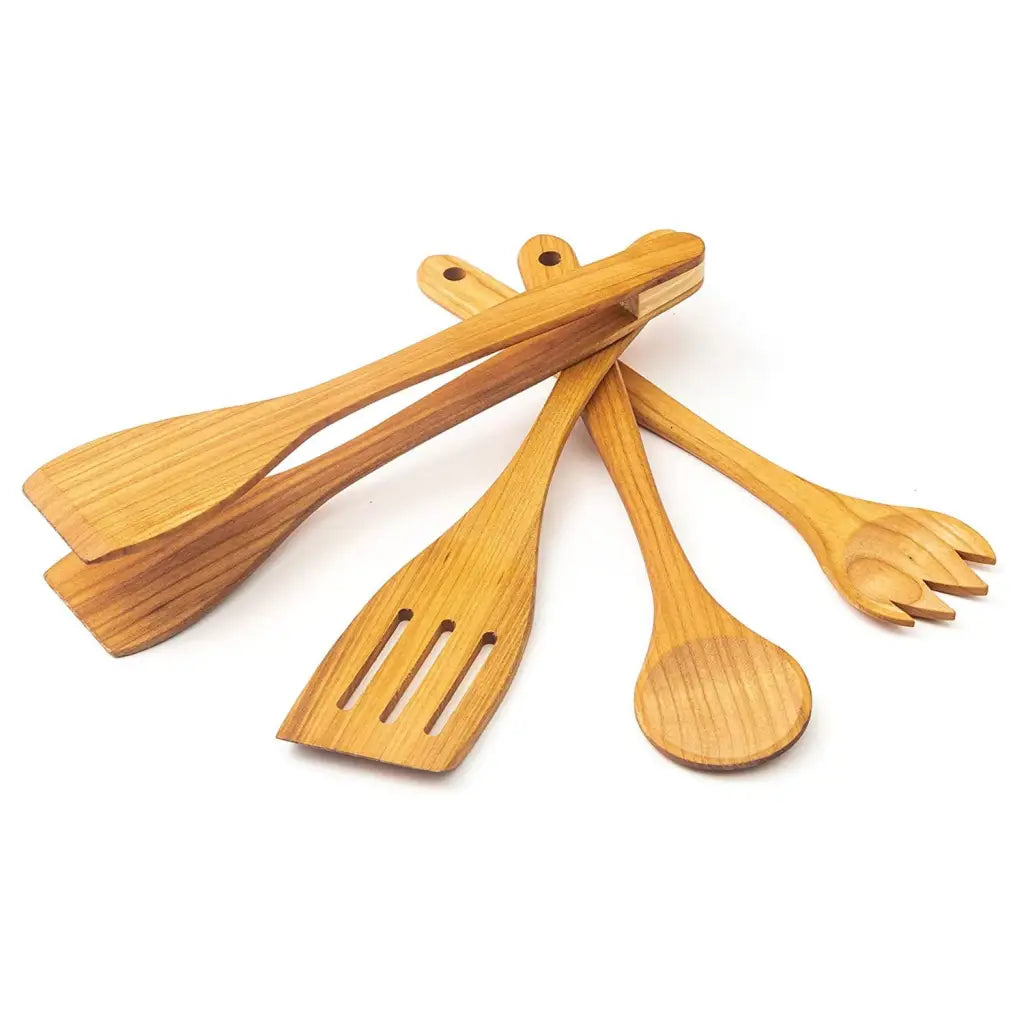
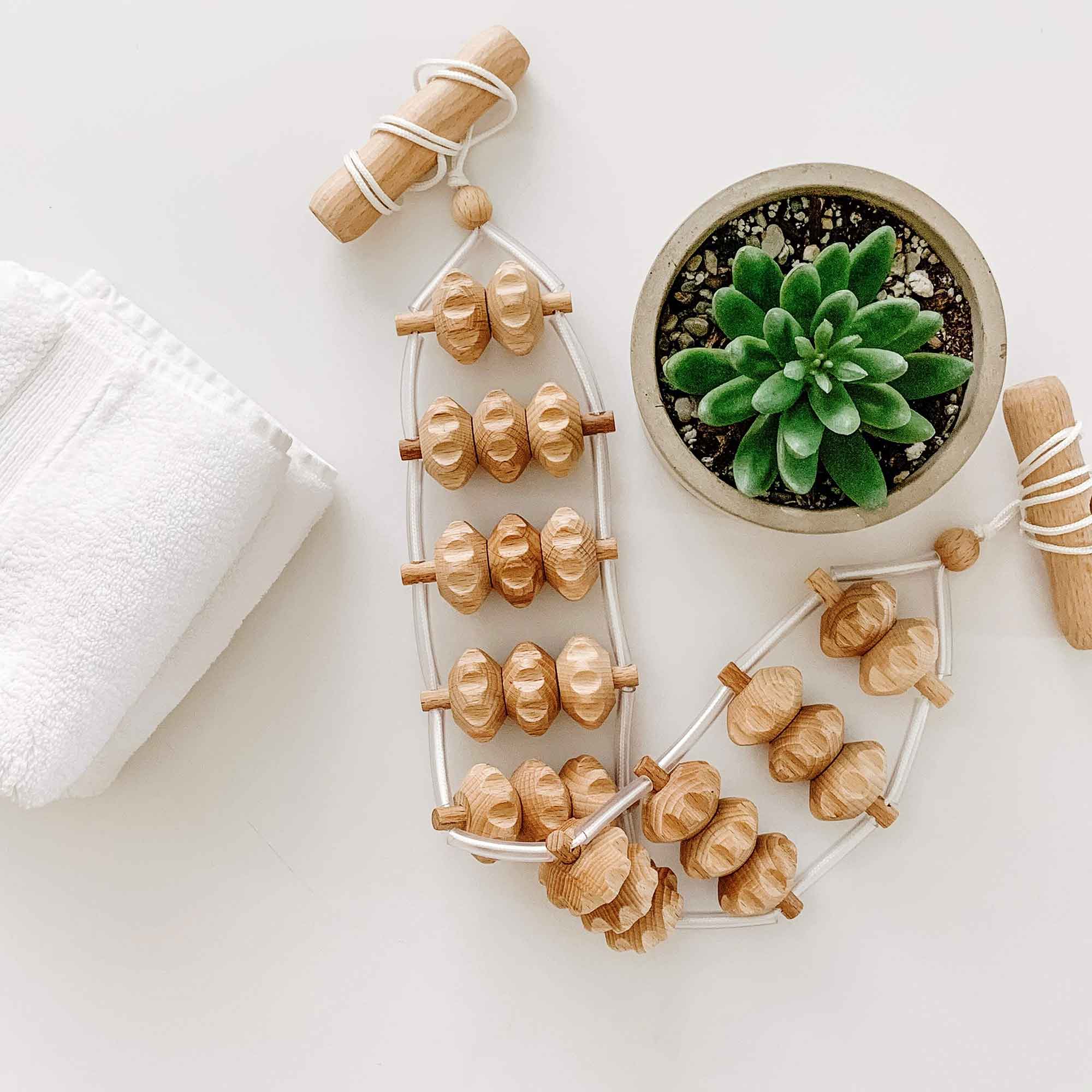
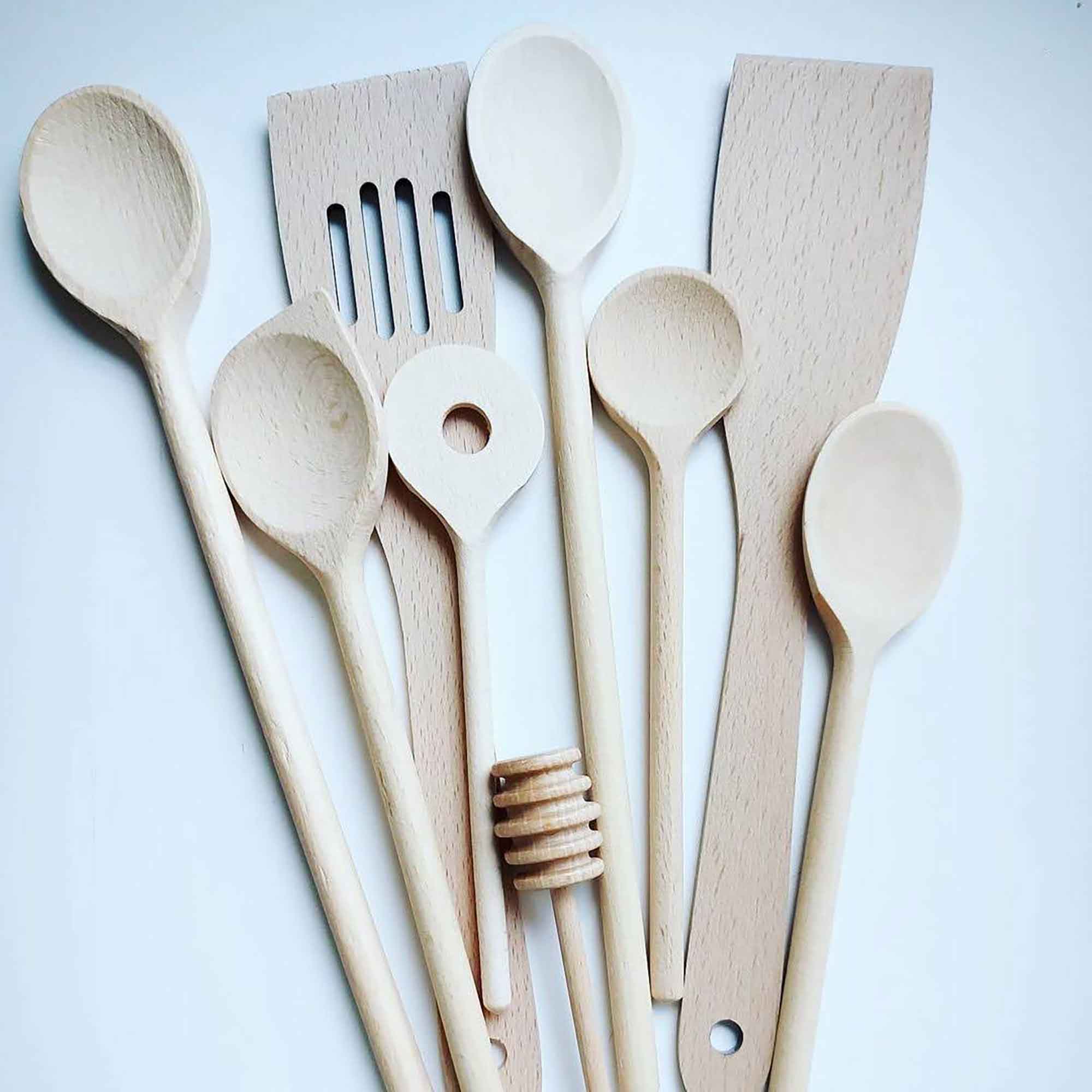
Handcrafted wood utensils on kitchen counter

How Often to Replace Wooden Utensils?

Wondering how often to replace wooden utensils for a safe, sustainable, and joyful kitchen experience? Discover the telltale signs, practical care tips, and real-life stories behind choosing eco-friendly wooden massagers, rollers, and kitchen tools. Ditch plastic for good with expert-backed advice, plus find out how handcrafted details and proper upkeep make all the difference in your day-to-day cooking. Whether you're a home chef with a busy family or simply passionate about beautiful, natural products, read on for essential answers and unique insights that will transform your kitchen routine.

Why Wooden Utensils Are a Kitchen Essential

The classic question—how often to replace wooden utensils—starts with why people love them so much. Wooden spatulas, spoons, and massagers have a natural feel no other material can match. They’re gentle on cookware, last ages with care, and add warm, organic charm to any home.

Unlike plastic or synthetic tools, wooden utensils don’t leach chemicals into your food. Many customers share stories of switching from plastic to wood after noticing stains, funny odors, or simply wanting a more sustainable option. One family, for example, replaced their whole kitchen drawer of plastic tools after their child chewed the end off a colored spatula. With wood, what you see is what you get—no hidden toxins, just pure, natural material.

How Often Should You Replace Wooden Utensils?

Let’s address the main question: how often to replace wooden utensils? As a rule of thumb, it’s best to replace most wooden kitchen utensils every 1-3 years—or sooner if you notice specific warning signs. Still, with excellent care, some people use their favorites for far longer. Imagine inheriting your grandmother’s wooden spoon, still smooth and solid after decades! But how do you know your own tools are still safe?

Signs It's Time to Replace:

  • Deep cracks or splits that trap food or moisture
  • Persistent stains that don't scrub out
  • Warps, splinters, or rough edges
  • Lingering bad odors even after thorough washing
  • Mold or discoloration

If you notice any of the above, it’s time to say goodbye. Consider it an opportunity to upgrade to a new, handcrafted wooden tool—maybe one from our shop?

Sustainability: Choosing Wooden over Plastic

A big benefit of wooden utensils is sustainability. Our shop sources wood from responsibly managed forests, ensuring every handle and blade comes from trees that will be regrown. By choosing wooden massagers, kitchen utensils, or rollers, you’re supporting a cycle that gives back to the earth instead of filling landfills with non-biodegradable waste.

Picture this—a home chef tossing out bent plastic spatulas every season, compared to someone who’s had the same wooden spoon for years. Over time, those choices add up in a big way for the environment.

Handcrafted Details Make a Difference

Our wooden kitchen essentials are not mass-produced. Each piece is hand-sanded and finished for smoothness, making every item unique. One customer told us how their personalized engraved spoon became the centerpiece of their homemade bread ritual. The grains, the feel, the finish—all add layers of meaning and durability.

Care and Maintenance: Making Wooden Utensils Last

The good news? With a little attention, you can double (or even triple) the lifespan of your wooden kitchen tools. I once left my favorite cherrywood spatula unwashed overnight; it dried out and started to roughen. After sanding and oiling, I saved it—but learned my lesson! Here’s how you can avoid my mistake:

Step-by-Step Wooden Utensil Care

  1. Wash Promptly: Hand wash in warm, soapy water. Never soak or put them in the dishwasher.
  2. Dry Immediately: Pat dry and leave them to finish air-drying instead of tossing them flat on a damp counter.
  3. Oil Regularly: Every few weeks, rub food-grade mineral oil or beeswax into the wood. This prevents splitting and maintains the beautiful shine.
  4. Sand Lightly: If they become rough, a quick buff with fine-grit sandpaper restores the surface. Then oil again.
  5. Store Properly: Keep utensils upright or hanging—not crammed in a wet drawer.

These practical steps can make a world of difference. Treat your tools well and you might be passing them down, not throwing them out!

Real-Life Example: Wooden Roller for a Busy Parent

Imagine a busy parent, juggling work and dinner prep, reaching for a sturdy wooden roller to help relieve wrist tension after a long day. They mention how it feels so much better than the plastic one they used before—cool to the touch, perfectly balanced, and free from odors. Over time, this simple swap brings comfort during meal prep and relaxation time.

When eventually their favorite tool develops a small crack, they know exactly what to do: replace it with another handcrafted roller from a trusted shop. It's a small act, but it keeps family routines smooth and stress-free.

How to Choose the Right Wooden Utensil

When replacing old tools or adding to your kitchen, look for:

  • Hardwood Construction: Like maple, beech, or walnut for best durability.
  • Smooth, Even Finish: Hand-sanded, free from splinters and rough spots.
  • Food-Safe Oils or Waxes: Avoid artificial finishes.
  • Personal Touch: Consider custom-engraved handles or unique shapes for added charm.

Our shop’s collection features all these details, crafted by skilled artisans who love wooden home goods as much as you do.

Wooden Massagers and Kitchen Accessories: Wellness and Utility

Wooden massagers and kitchen tools don’t just look great—they support a healthy, stress-free lifestyle. Try soothing tired muscles with a hand-carved roller after a yoga session, or prep your next meal with a tool that’s as kind to your pans as it is to your values. Each choice is a small investment in your well-being, and the planet’s.

Conclusion: When—and Why—to Replace Wooden Utensils

To sum up: you should replace wooden utensils when you see deep splits, persistent stains, or signs of mold—usually every 1-3 years if used regularly. Better care means longer life, and each tool you choose can add value to your routine. With quality, eco-friendly wooden accessories, you’re supporting health, sustainability, and the craft of timeless kitchen goods. Why settle for plastic when you can have something beautiful and lasting?

Frequently Asked Questions

How do I know if my wooden utensil is unsafe?

  • Look for cracks, splits, or mold. For example, if your spoon smells sour after cleaning or feels rough to the touch, it’s time to replace it.

Can I sand down a wooden spoon instead of replacing it?

  • Light surface roughness can be sanded away. If you notice deep splits, though, replacement is safest. A customer once revived their spatula this way for another year of use.

Is it safe to put wooden utensils in the dishwasher?

  • No, dishwashers dry out wood and can cause warping. Always hand wash and dry immediately instead, like our artisans recommend.

How can I make my utensils last longer?

  • Regular oiling, gentle washing, and immediate drying help. One home baker saw their collection last twice as long just by adding monthly oiling sessions.

Are wooden utensils more eco-friendly than bamboo?

  • Both are sustainable, but hardwood utensils tend to last longer and resist wear better, especially when custom-crafted. Customers often prefer the unique grains of wood for aesthetics and heritage.

Why do wooden utensils sometimes change color?

  • Staining from foods is normal. If the discoloration doesn’t wash out with soap and water, and the wood feels rough, it may be time to replace it—just like a chef who swapped theirs after persistent turmeric stains wouldn't go away.
Recommended product you may love:
Handcrafted Set of 4 Wooden Honey Spoons - Sweet Honey Dipper Gift Set

Read more

Serene wooden rollers beside herbal tea after wood therapyCan You Eat After Wood Therapy? Explained

Can You Eat After Wood Therapy? Explained

Curious about how wood therapy affects your routine, especially if you’re balancing wellness treatments with meals? Discover the answer to "Can you eat after wood therapy?" as we break down what wo...

Read more — Can You Eat After…
Parent using wooden roller at homeHow Bad Can Trigger Points Get?

How Bad Can Trigger Points Get?

Are you tired of unexplained muscle tightness or those stubborn aches that never seem to fully disappear? Trigger points—those tiny, knotted areas in your muscles—may be the hidden culprit causing ...

Read more — How Bad Can Trigger…

Delivery to Ireland, free tracked shipping, 30-day returns.