Do Wooden Massage Sticks Really Work?
What a wooden massage stick can do
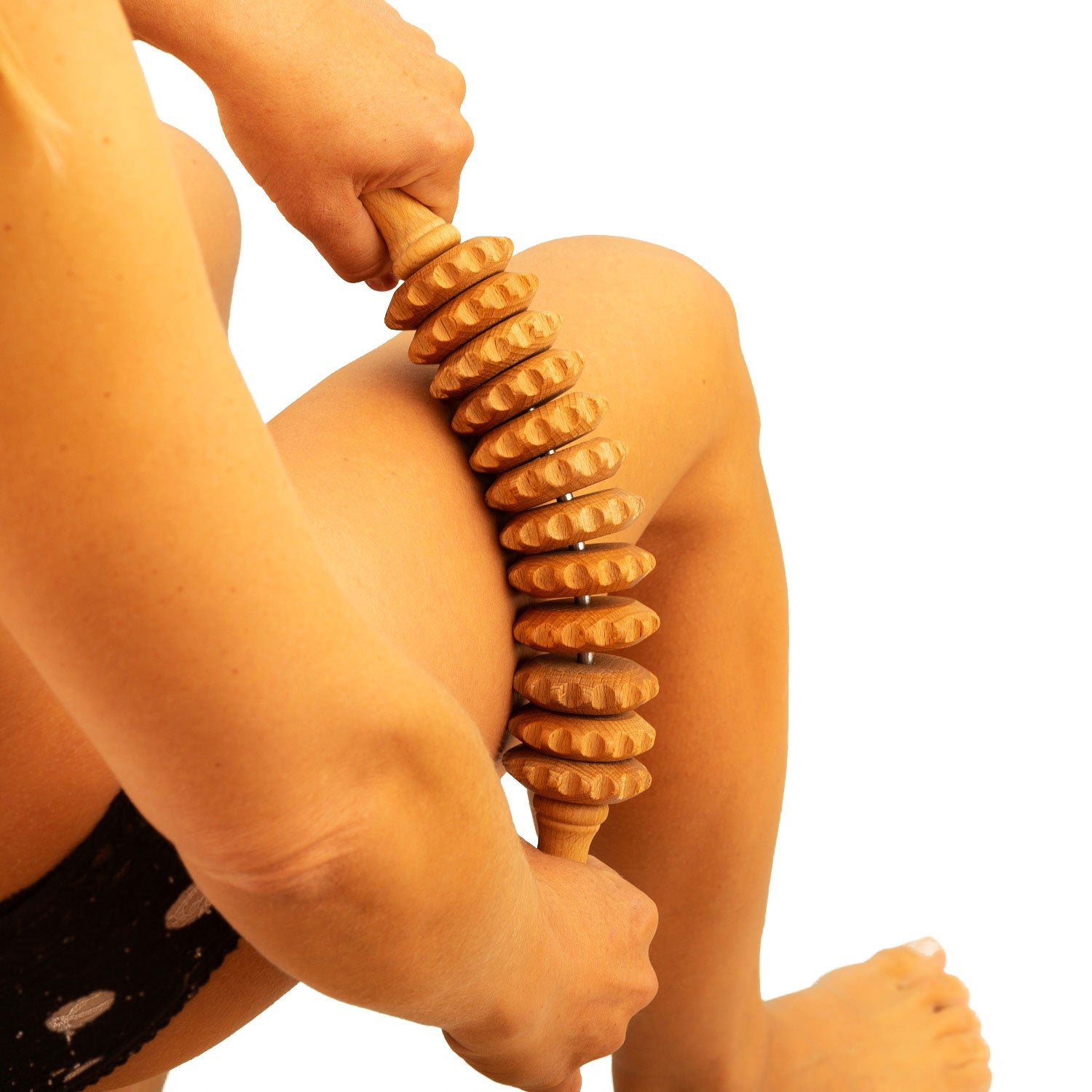
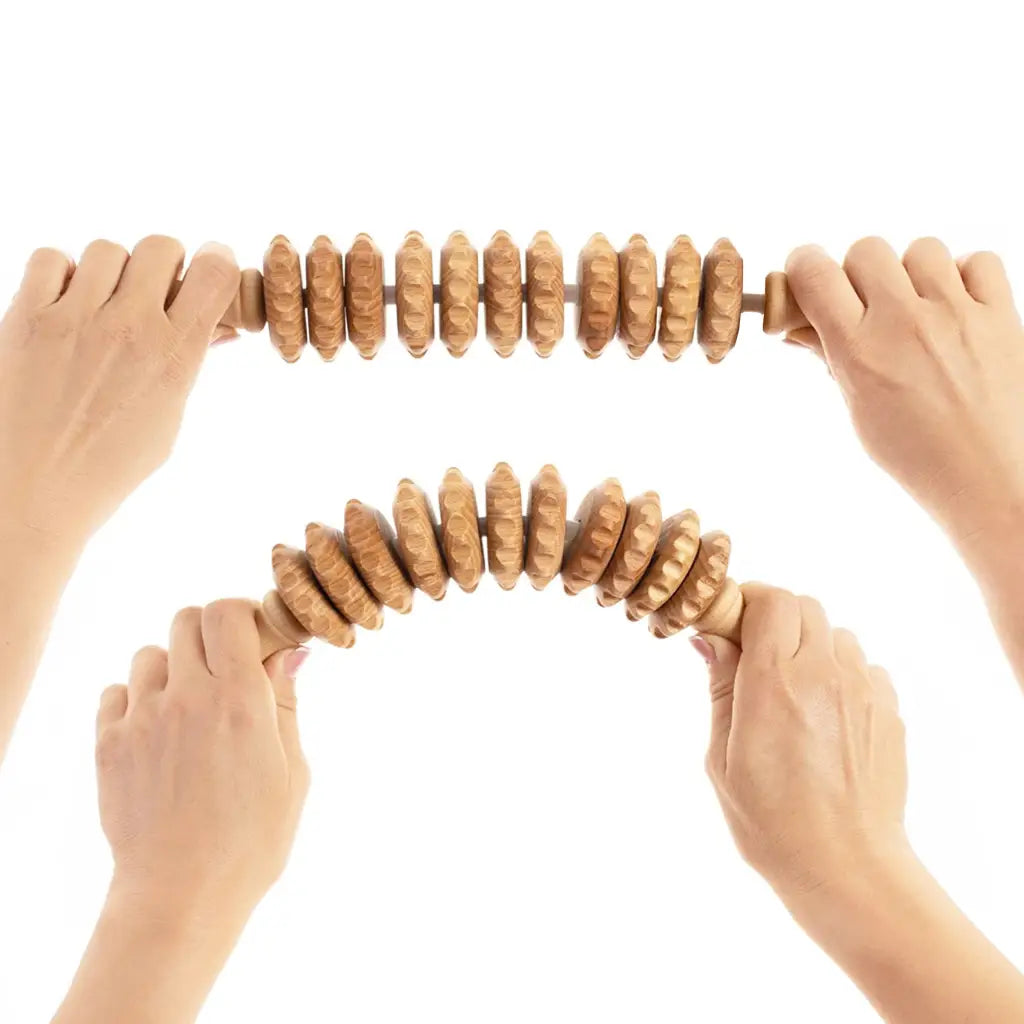
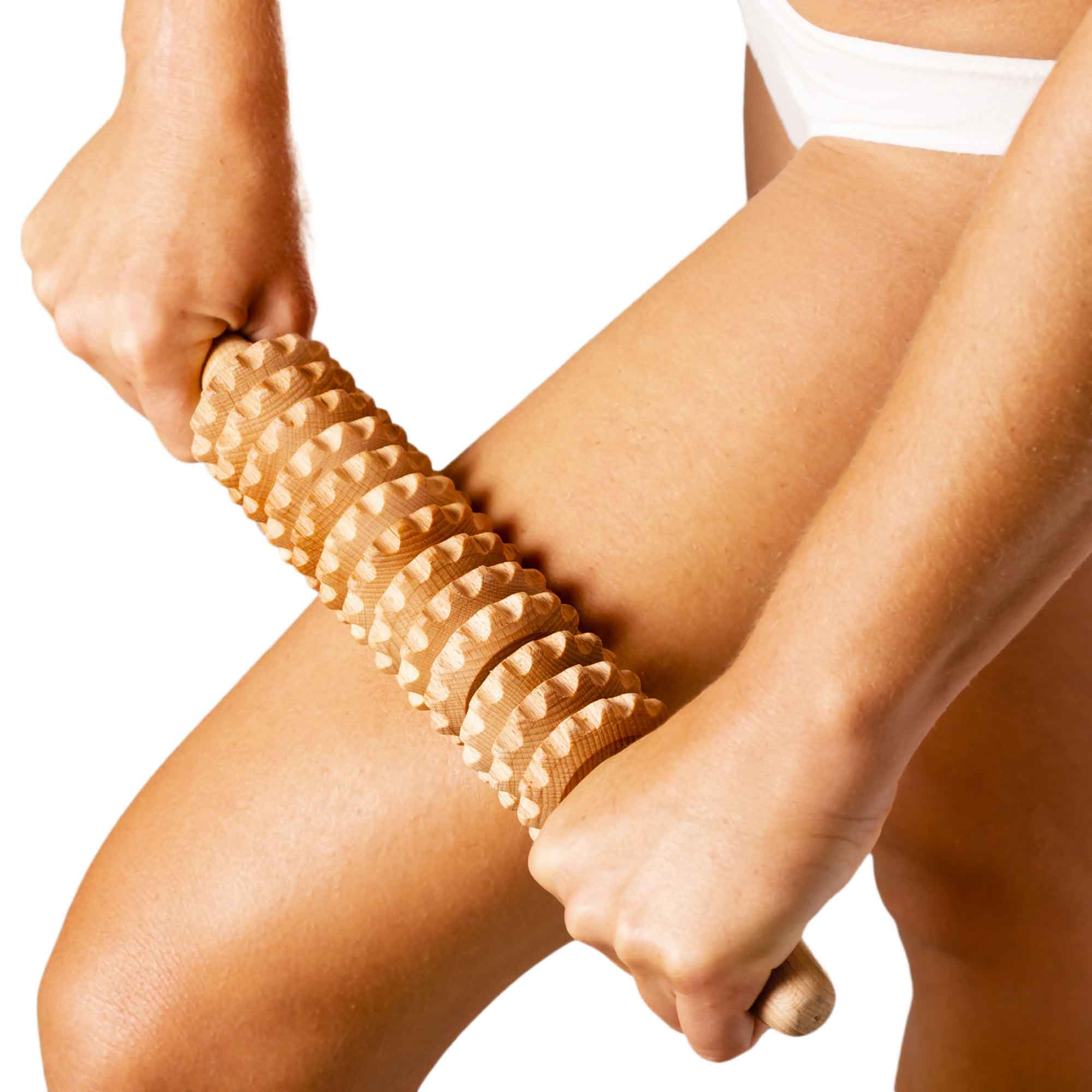
A wooden massage stick is useful when you want a simple tool that gives controlled pressure in a home self-care routine. It sits between broad wooden massage rollers and smaller handheld wooden massagers, so it works best when the user wants focus and control rather than full-body coverage.
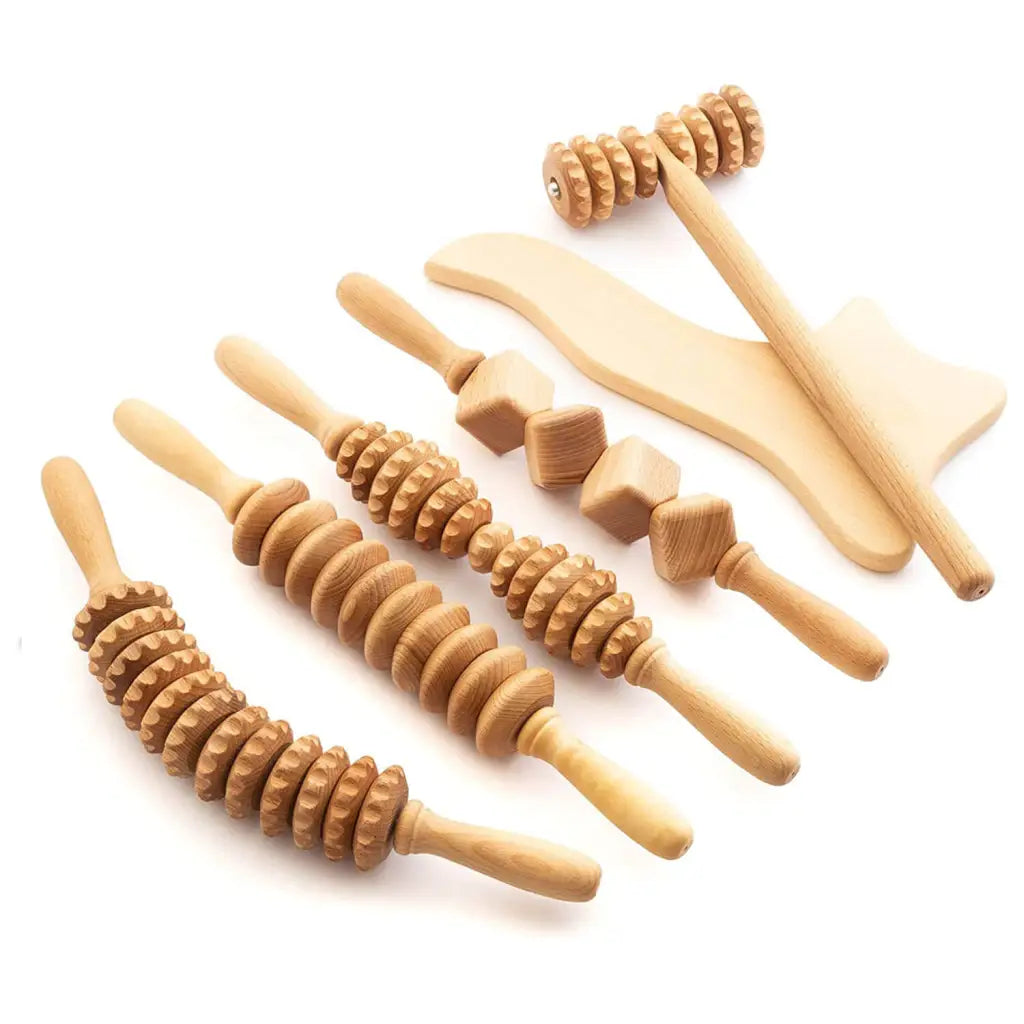
Tuuli shoppers often compare the T-shape beechwood massage roller, the dice wooden massage roller and the disk wooden massage roller when choosing a firmer or more targeted feel.
Stick, roller or handheld tool?
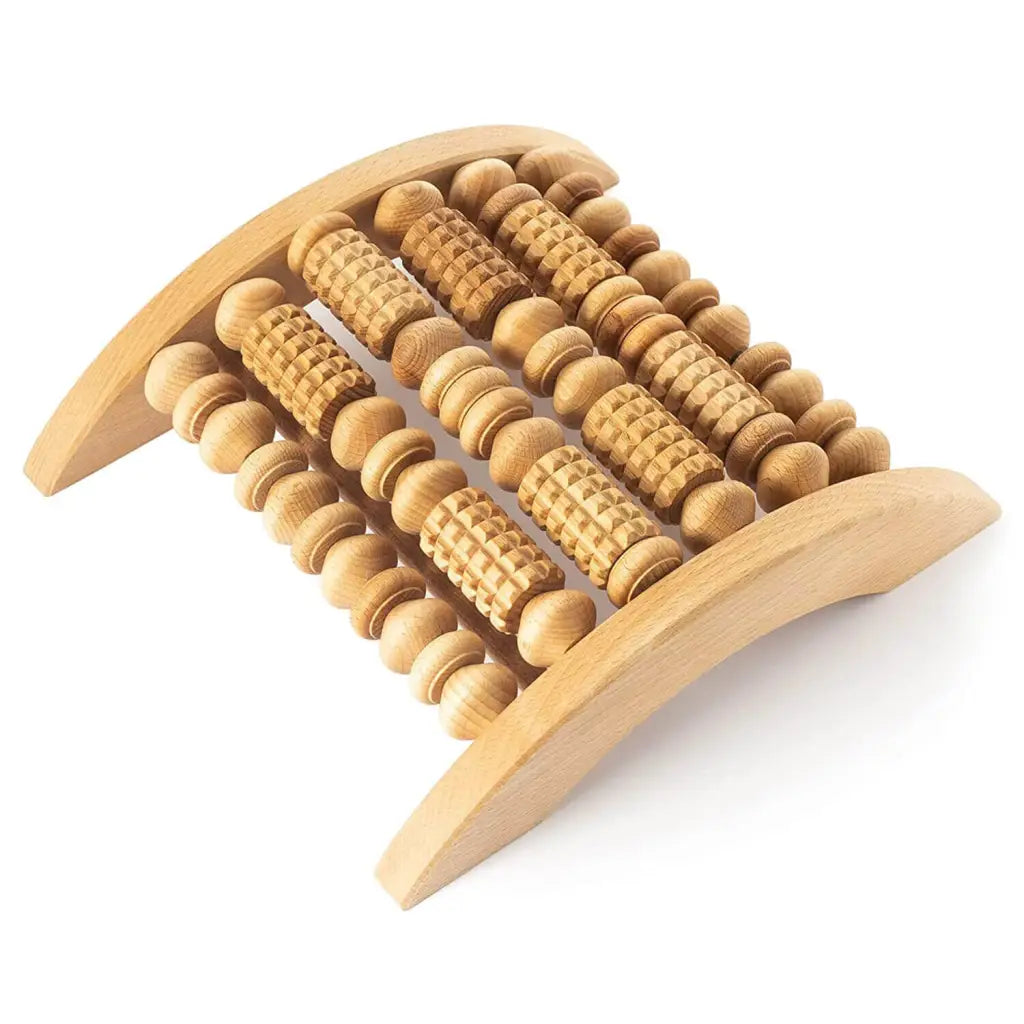
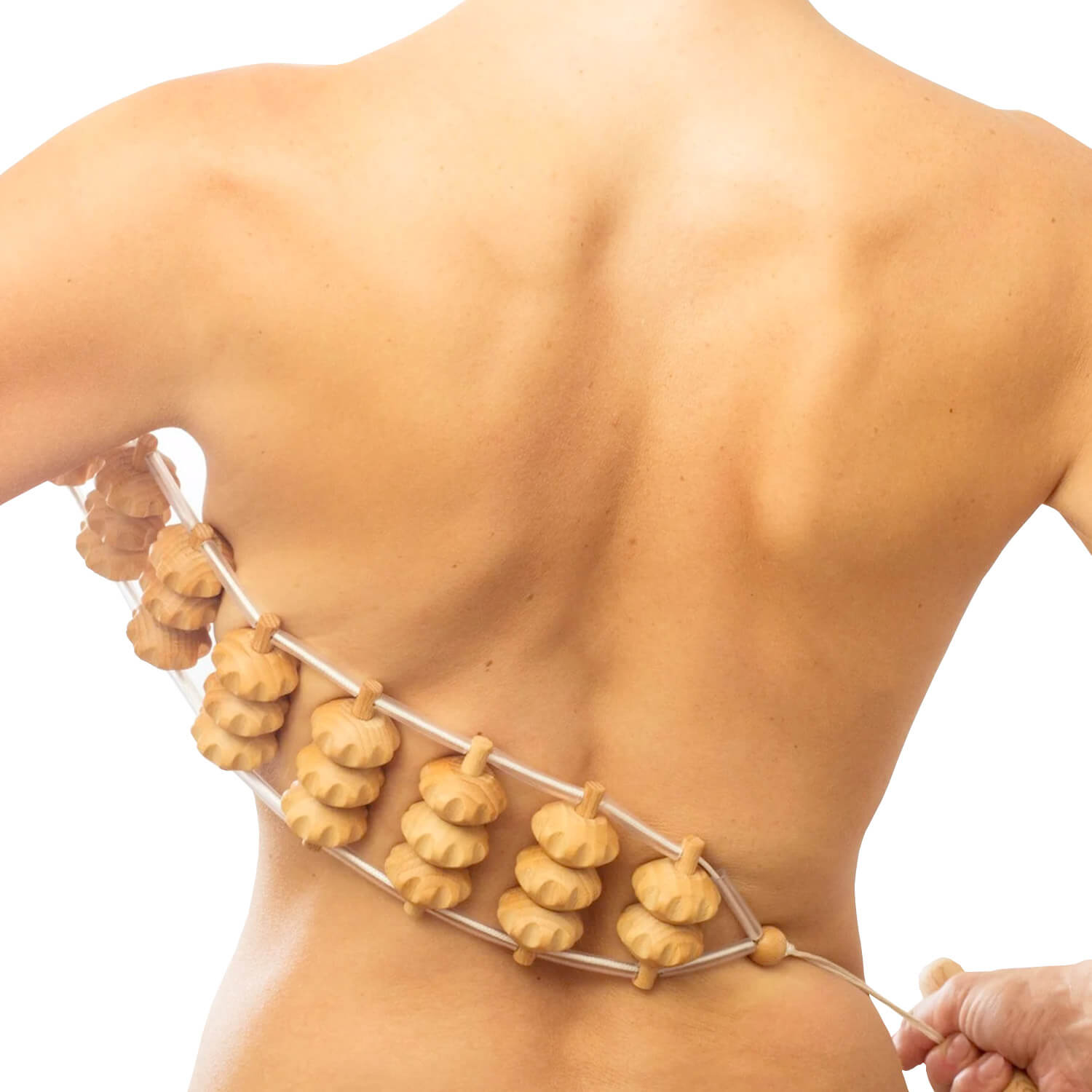
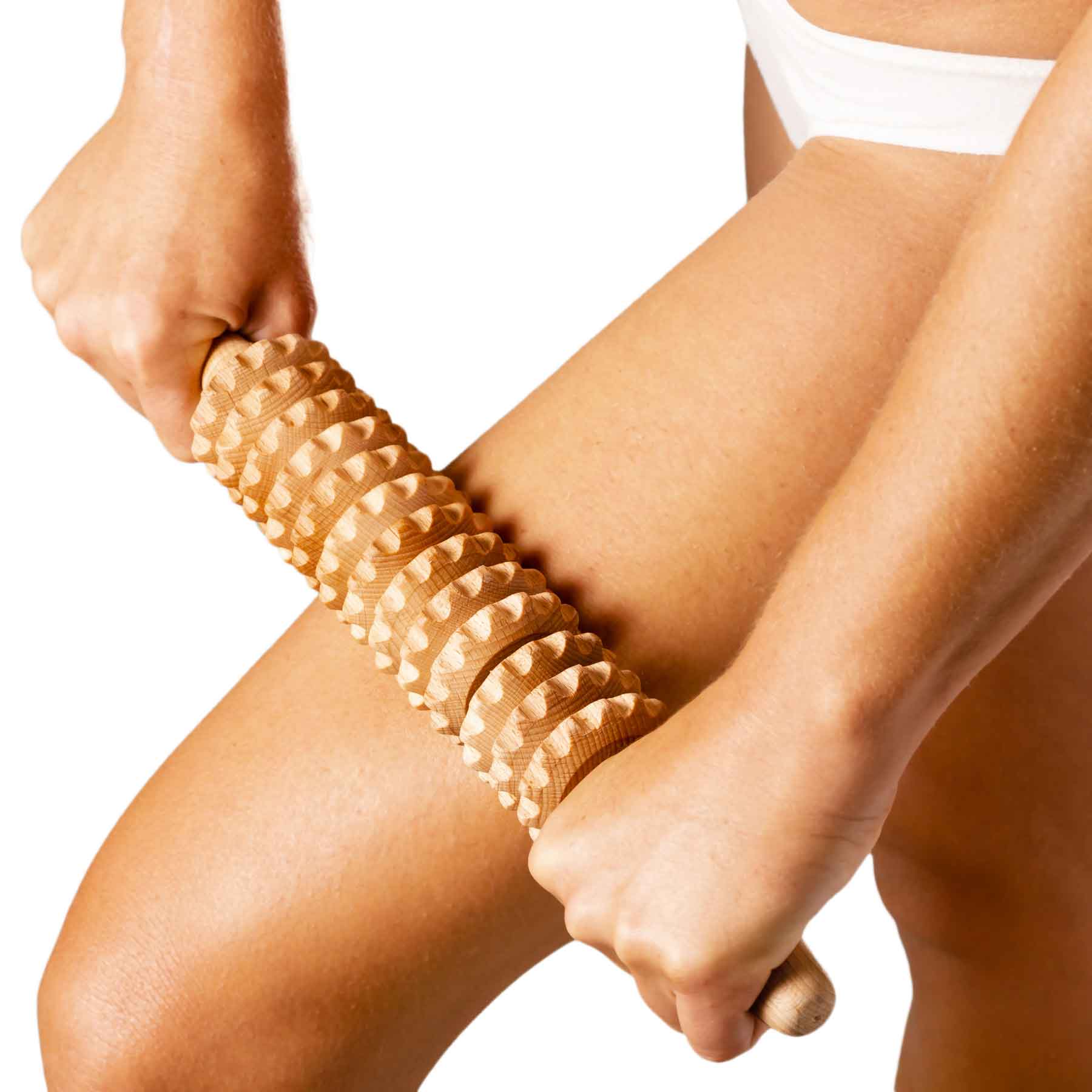
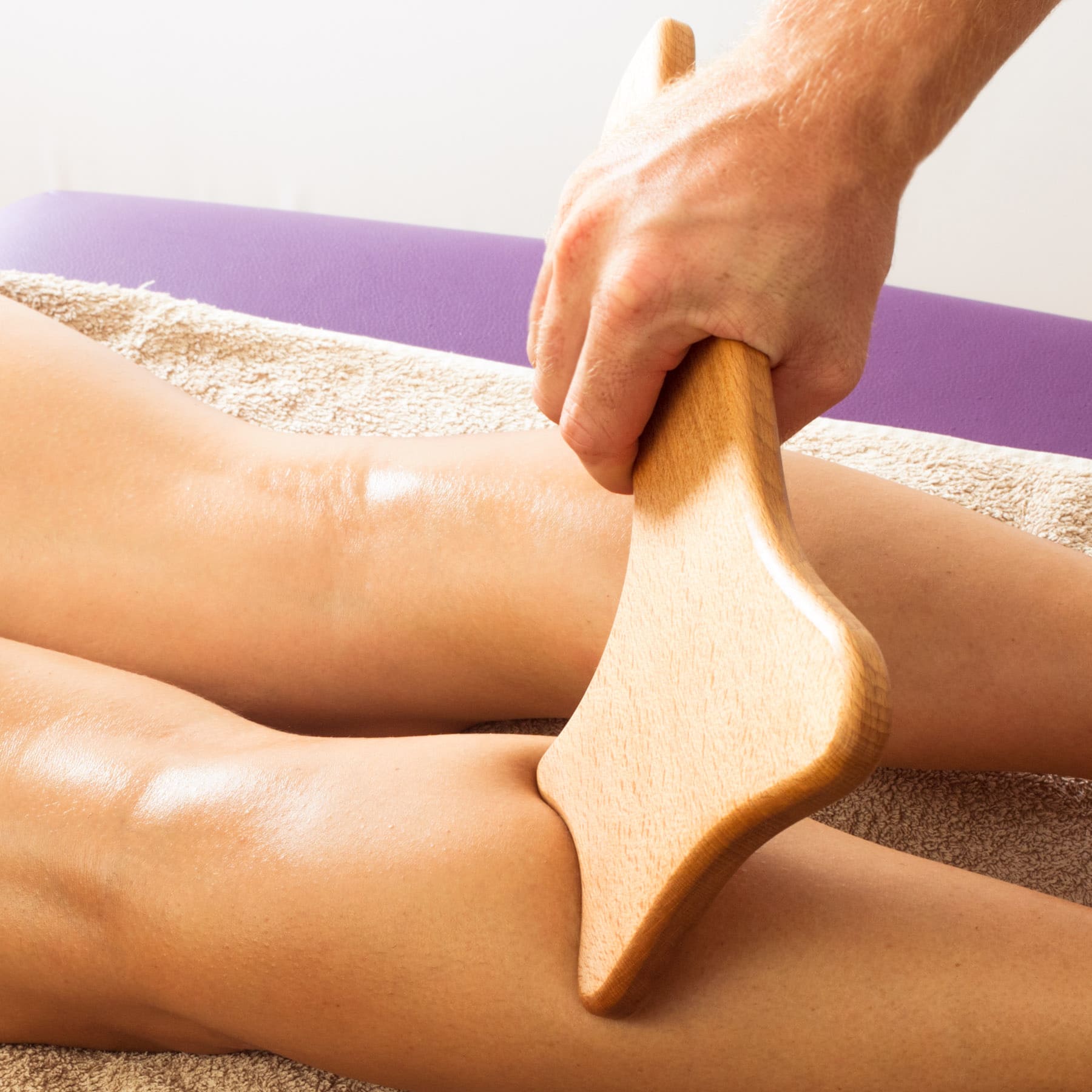
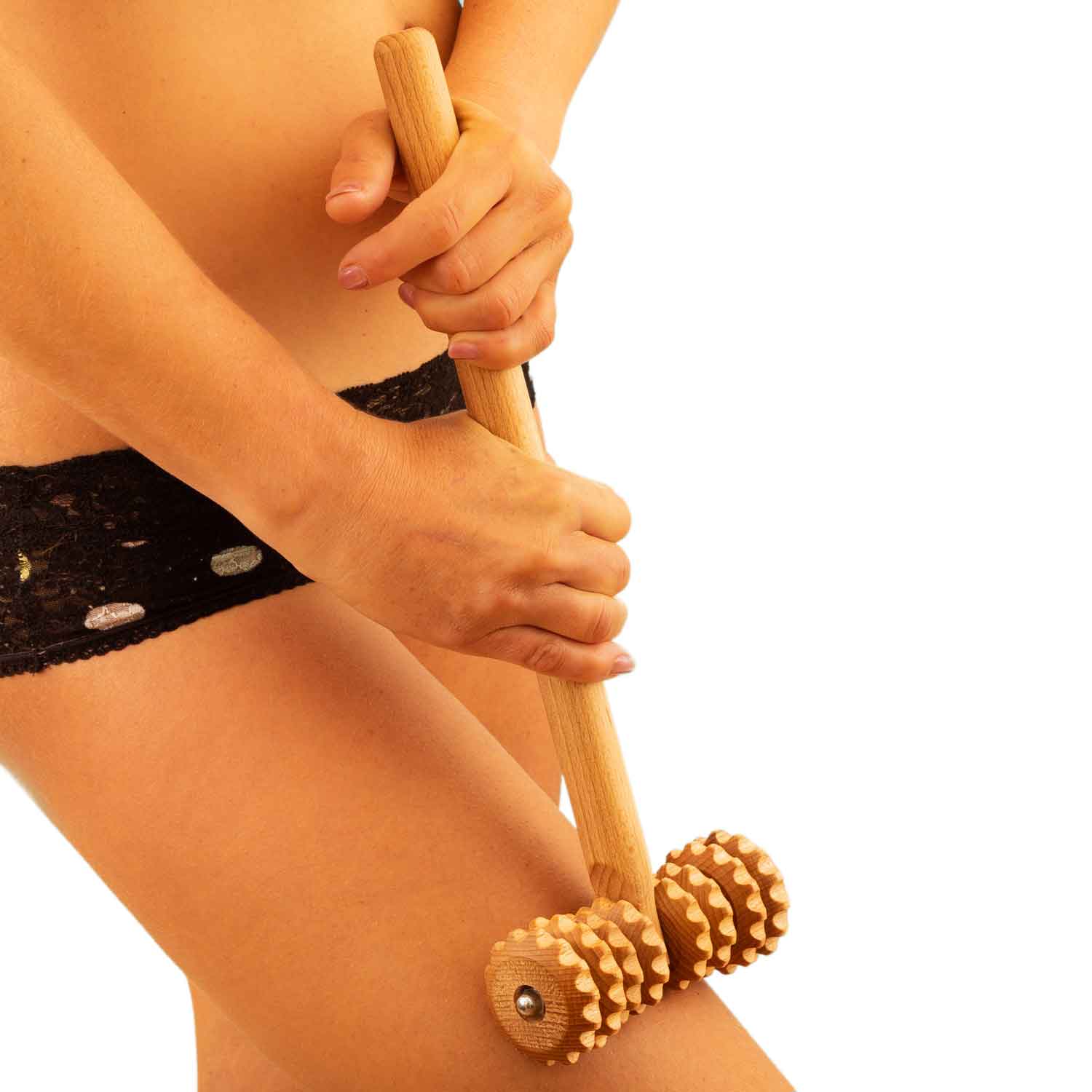
Choose from the wider wooden massagers collection based on the area, grip and pressure style you prefer. A stick or T-shape tool gives more control. A longer roller covers a larger area. A smaller handheld tool is easier to place with precision.
For more comparison help, read wooden tools and tight-feeling spots, wooden massage roller uses and ways to relax with wooden tools.
Safe use tips
Start with short sessions and light pressure. Move slowly, avoid irritated skin and stop if the pressure feels wrong. The Tuuli instructions page gives a useful starting point before building a routine.
FAQ
Do massage sticks work for everyone?
No tool works the same for every person. A wooden massage stick may suit people who like a controlled grip, but it is not the right choice for every area or every comfort level.
Is a stick better than a roller?
Not always. A stick is better for control. A roller is better when you want broader contact. Many people choose by area and routine, not by one tool being universally better.
Content review
Reviewed by: Gorazd Slavinec, massage therapist at Spina masaža, in practice since 2010.
Review date: 16 June 2026
Scope: This review covered safe non-medical wording, pressure guidance and realistic expectations for wooden massage sticks and rollers.
Bio: https://www.spinamasaza.com/maser
Tuuli wooden massagers and maderotherapy tools are not medical devices. This content is general wellness information and is not medical advice.

Written by Peter Čuček
Tuuli author bio
Tuuli blog and product-support content is prepared under the Tuuli editorial workflow and published by Peter Čuček, store owner of Tuuli, where applicable. The goal is to help customers choose, use, clean and store wooden products with accurate product facts, clear safety language and practical buying guidance.
Who writes Tuuli product-support and blog content?
Tuuli content is written and maintained by the Tuuli team, with product and brand context from Tuuli GmbH. Content focuses on real product details, materials, dimensions, care instructions, personalisation options, shipping, returns and customer support.
Editorial review process
- Product facts are checked against current Tuuli product information before publication.
- Internal links point to relevant products, collections, support pages and policy pages.
- Wooden massager and self-care content is reviewed for safe, non-medical wording.
- Selected wooden-massager and self-care pages include additional specialist content review where relevant.
Editorial focus
- Clear product fit: what the product is, who it is for and what is included.
- Material, dimensions, care and use guidance based on product information.
- Safe wording for wooden massagers and self-care tools.
- Internal links to relevant products, collections, instructions and support pages.
Contact and corrections
If a product detail, guide or support answer looks unclear or outdated, contact Tuuli at info@tuuli-shop.com. We review content updates against current product information and store policies.
Where to learn more
Learn more about Tuuli on the About page, check company details in the Impressum, browse the instructions page or visit the contact page if you have a product question.