Skip to content

Cart

Your cart is empty

Article: How Often Should You Replace Wooden Kitchen Utensils? Expert Tips for Lasting Wellness and Sustainability

Warm kitchen scene with family

How Often Should You Replace Wooden Kitchen Utensils? Expert Tips for Lasting Wellness and Sustainability

Wondering how often you should replace wooden kitchen utensils? You're not alone—many home cooks are curious about the lifespan of their favorite spatula or wooden spoon. In this guide, we'll dive deep into how long wooden utensils typically last, when it's time to let go, and all the tricks to prolonging their life in your kitchen. Along the way, we'll explore the wellness benefits of choosing wooden over plastic or synthetic tools, share expert care tips, and highlight the sustainable, handcrafted qualities that set our products apart. Whether you're a seasoned chef or a busy parent rushing through dinner prep, you'll find practical, relatable advice for every kitchen.

Understanding the Lifespan of Wooden Kitchen Utensils

Wooden kitchen utensils are kitchen classics for good reason—they’re gentle on cookware, feel great in your hands, and add a warm, natural touch to meal prep. But how often should you replace wooden kitchen utensils? On average, with proper care, high-quality wooden utensils can last several years. However, certain signs indicate it’s time for a refresh. Let’s break down the key factors that impact their longevity:

  • Usage Frequency: Daily use accelerates wear, while occasional use extends lifespan.
  • Type of Wood: Hardwoods like beech, maple, and olive are more durable than softwoods.
  • Maintenance Routine: Regular washing, drying, and oiling can add months—or even years—of life.
  • Exposure to Water or Heat: Frequent soaking or contact with hot surfaces may cause splitting or warping sooner.

In most kitchens, experts recommend evaluating your main wooden utensils every 2-3 years. But don’t toss them on a schedule; instead, keep an eye out for the telltale signs they need replacing.

When Is It Time to Replace Wooden Utensils?

Not sure if your old spoon is still up to the task? Here are the top cues it’s time for a replacement:

  1. Visible Cracks, Splinters, or Deep Grooves: These not only harbor bacteria but can also injure hands or snag food (imagine prepping a quick sauce and suddenly seeing wood flecks—yikes!).
  2. Wobbly or Soft Texture: If the wood feels mushy or gives under gentle pressure, it’s absorbing too much moisture—a health and safety risk.
  3. Lingering Odors or Stains: Odors from strong spices, or stubborn stains that won’t lift even after thorough cleaning, signal it’s time for an upgrade.
  4. Excess Warping: Persistent twisting or bowing makes utensils difficult to handle and less effective.

A busy parent recently told us about finally retiring a hand-me-down wooden spatula that had served their three kids’ pancake breakfasts—after a decade and plenty of care, they knew it was time. Trust your instincts, and when in doubt, safety comes first.

Benefits of Wooden Utensils vs. Plastic or Synthetic Alternatives

Swapping out old wooden utensils isn’t just about hygiene or aesthetics. It’s also a chance to nurture your well-being and help the planet. Wooden kitchen utensils offer:

  • Naturally Antibacterial Surfaces: Wood has natural properties that resist microbial growth—unlike plastic, which can trap bacteria in grooves.
  • No Harmful Chemicals: Quality wooden products are free from BPA and phthalates found in many plastics.
  • Better for Cookware: Wood won’t scratch your nonstick pans or seasoned cast iron, ensuring both tools last longer.
  • Enhanced Cooking Experience: As one customer put it after switching: “Food tastes cleaner, and I’m no longer worried about tiny plastic bits in my sauce!”

Sustainability: Choosing the Eco-Friendly Option

When you choose our handcrafted wooden kitchen utensils, you’re supporting more than just your kitchen—you’re making a responsible environmental choice. We source only sustainable hardwoods, ensuring forests are managed and regenerated for future generations. Imagine prepping your family’s favorite stew with a spoon made from responsibly harvested maple—every stir is a step towards a greener planet.

Some customers share that after making the switch, they’re proud to be reducing landfill waste, as our tools are biodegradable and designed for minimal environmental impact.

Proper Care and Maintenance for Wooden Kitchen Utensils

Want your utensils to last as long as possible? Here’s an expert-approved care routine to follow:

  • Hand Wash Only: Wash with warm, soapy water after each use—never soak or run through the dishwasher.
  • Thorough Drying: Always dry right away with a towel. Standing water can cause swelling and splits.
  • Regular Oiling: Every few weeks, rub food-grade mineral oil or beeswax onto the surface. (I once forgot to oil my favorite spoon for months. What happened? It looked dull and felt rough until I revived it—a quick rub brought it back to life.)
  • Occasional Sanding: For minor rough patches, a light sanding with fine-grit paper helps restore a smooth finish.

Use Cases: Personalized Wooden Products for Humans

Let’s paint a picture: Imagine a busy parent juggling dinner prep during a hectic weeknight. You reach for your personalized wooden rolling pin—engraved with your family name—and let muscle memory take over. The weight feels just right, and you remember switching from that old plastic roller last year—the difference in dough texture and your peace of mind is unbelievable.

Our customers tell us these small moments matter. Wooden utensils become part of your family’s culinary story. Personalization adds meaning (and they make great gifts, too!). Whether it’s a carved kitchen spoon for a newlywed couple or a wooden massager for post-yoga relief, handcrafted quality shows you care.

Our Unique Features: Why Our Shop’s Utensils Stand Out

All our wooden products are hand-finished, which means every groove and detail is checked for smoothness, safety, and comfort. No two are exactly alike—a little imperfection is a mark of true craftsmanship. Using responsibly harvested wood, non-toxic finishes, and personalized touches, we ensure your kitchen tools become lifelong companions, not just throwaway gadgets.

Quick Tips: How to Extend the Life of Your Wooden Utensils

  • Always store them in a dry spot—avoid crowded utensil jars where moisture accumulates.
  • If a utensil does crack or splinter, retire it promptly to avoid health risks.
  • Refresh older utensils with a gentle sanding and oiling before deciding to replace them—you’ll be amazed at the difference!

Frequently Asked Questions

How can I tell if my wooden kitchen utensil is safe to use?

  • Check for cracks, splinters, or soft spots. For example, if your favorite wooden spoon feels rough despite cleaning, it may be time to replace it for safety and hygiene.

Why are wooden kitchen utensils better than plastic ones?

  • Wood is naturally antibacterial, gentler on cookware, and free from toxic chemicals. Many customers report improved taste and peace of mind after making the switch.

How do I clean and maintain wooden utensils?

  • Hand wash, dry immediately, and oil regularly. For instance, one customer oils their personalized spatula monthly—it stays smooth and lasts longer.

Are wooden utensils environmentally friendly?

  • Yes! Our utensils are made from sustainably sourced hardwoods and are fully biodegradable, supporting a greener kitchen. Supporting wood products means less plastic waste.

Can I use the same care routine for all wooden kitchen products?

  • Generally, yes—hand washing, drying, and occasional oiling suit all. Just be sure to personalize care for items like engraved rolling pins to protect the design.
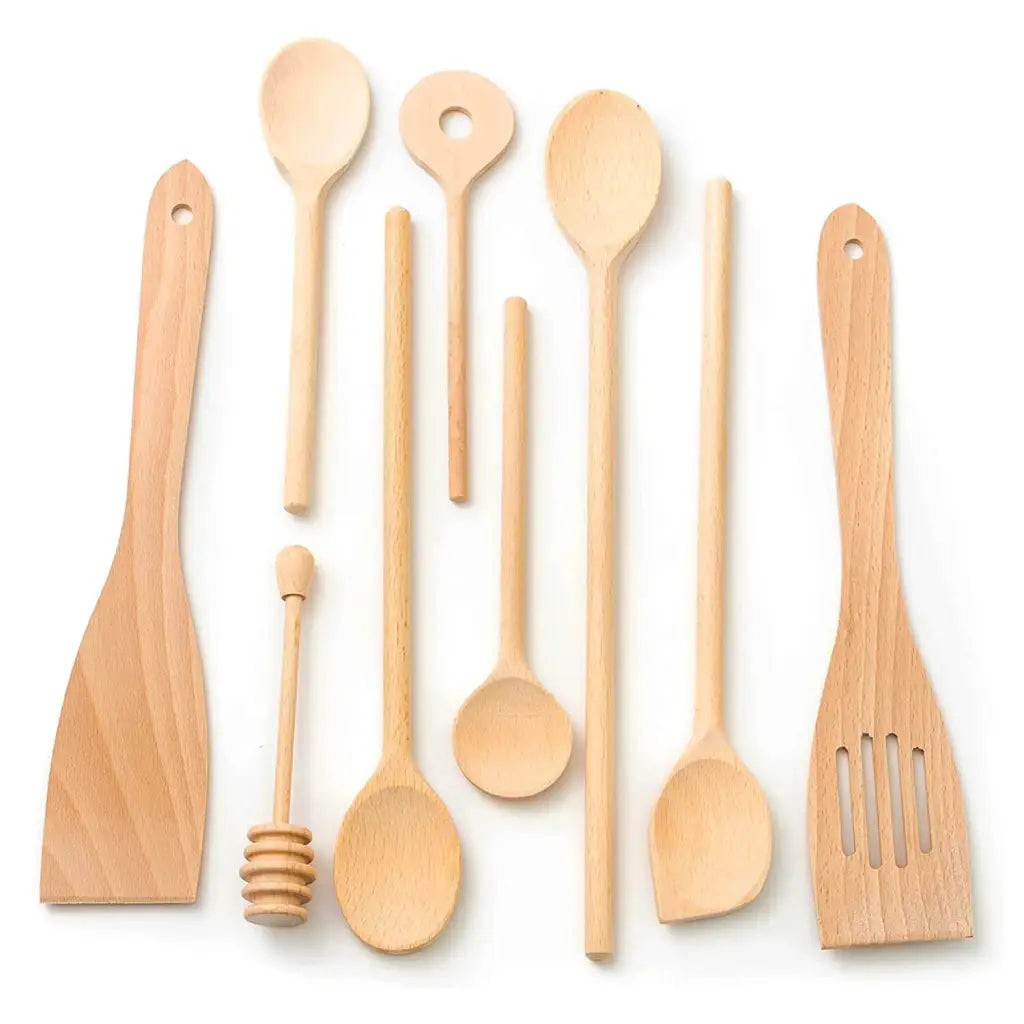
Check recommended product you are going to love: 5-Piece Premium Kitchen Utensil Set - The Perfect Blend of Nature and Craft
5-Piece Premium Kitchen Utensil Set - The Perfect Blend of Nature and Craft

Read more

Golden retriever enjoys gentle wooden massagerAre Wooden Pet Massagers Safe? Pressure & Timing Guide for Happy, Relaxed Pets

Are Wooden Pet Massagers Safe? Pressure & Timing Guide for Happy, Relaxed Pets

Curious if wooden pet massagers are safe for your furry friend? Discover everything you need to know about proper pressure, timing, and the unique benefits of natural, handcrafted wooden massage to...

Read more — Are Wooden Pet Massagers…
Seated parent using wooden rollerWhat Is Wooden Massage Therapy? Discover the Benefits of Wooden Massagers for Wellness

What Is Wooden Massage Therapy? Discover the Benefits of Wooden Massagers for Wellness

Curious about bamboo massage therapy? This guide explores how wooden massagers outshine plastic alternatives, the magic behind bamboo’s healing properties, sustainability benefits, and unique real-...

Read more — What Is Wooden Massage…

Delivery to Canada, free tracked shipping, 30-day returns.