Is Cooking with Wooden Spoons Safe?
Curious whether wooden spoons are safe to cook with? Discover why wooden utensils and handcrafted kitchen accessories offer a hygienic, sustainable, and satisfying choice for home chefs, and how switching to wooden massagers and rollers can even boost well-being. From their natural antimicrobial properties to personal stories of wellness, this guide deep-dives into benefits, care tips, and eco-friendly practices for wood lovers—plus a look at what happens if you ignore proper maintenance. Explore the charm and science of wooden kitchen products, the value of supporting handcraftsmanship, and get quick answers to all your burning questions about safety, sustainability, and using wood in your daily routines. Make your kitchen—and your self-care—greener, cleaner, and more delightful with these practical, expert-backed insights.
Is It Safe to Cook with Wooden Spoons?
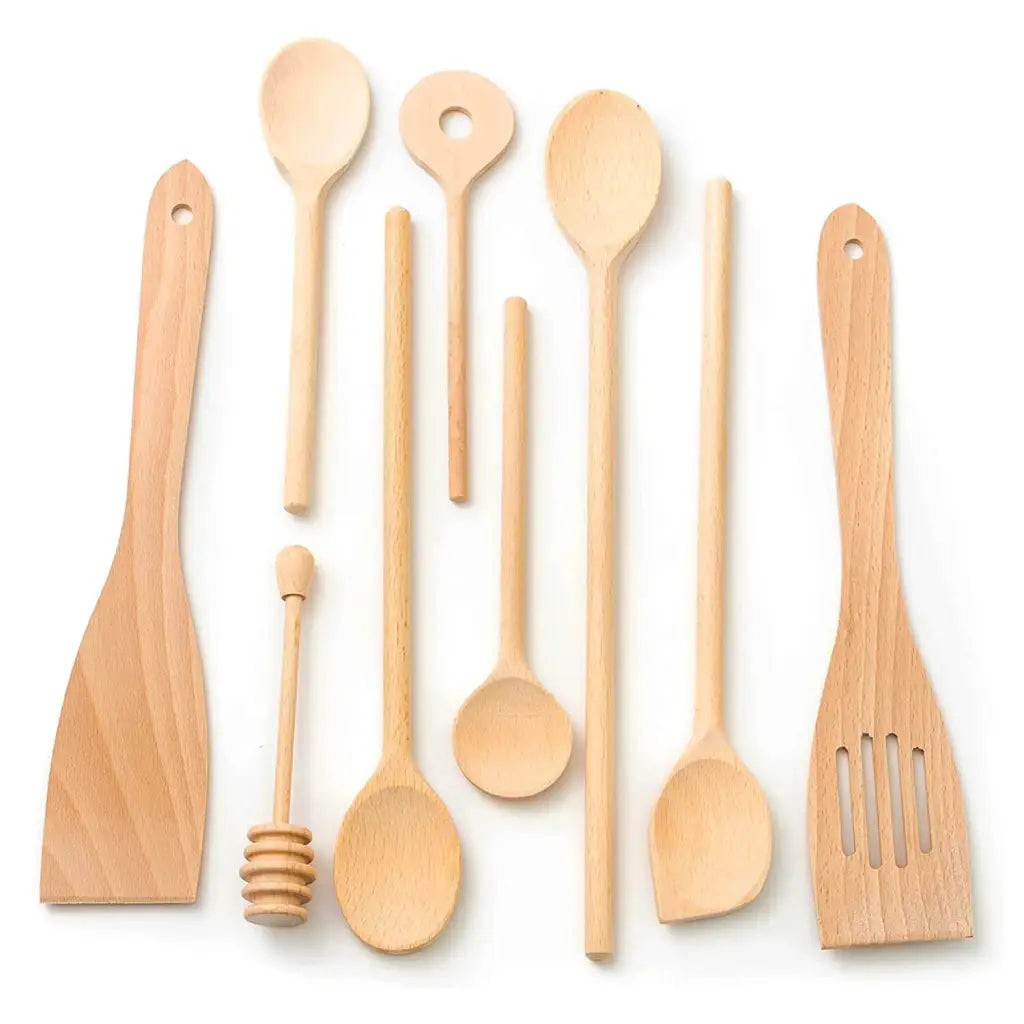
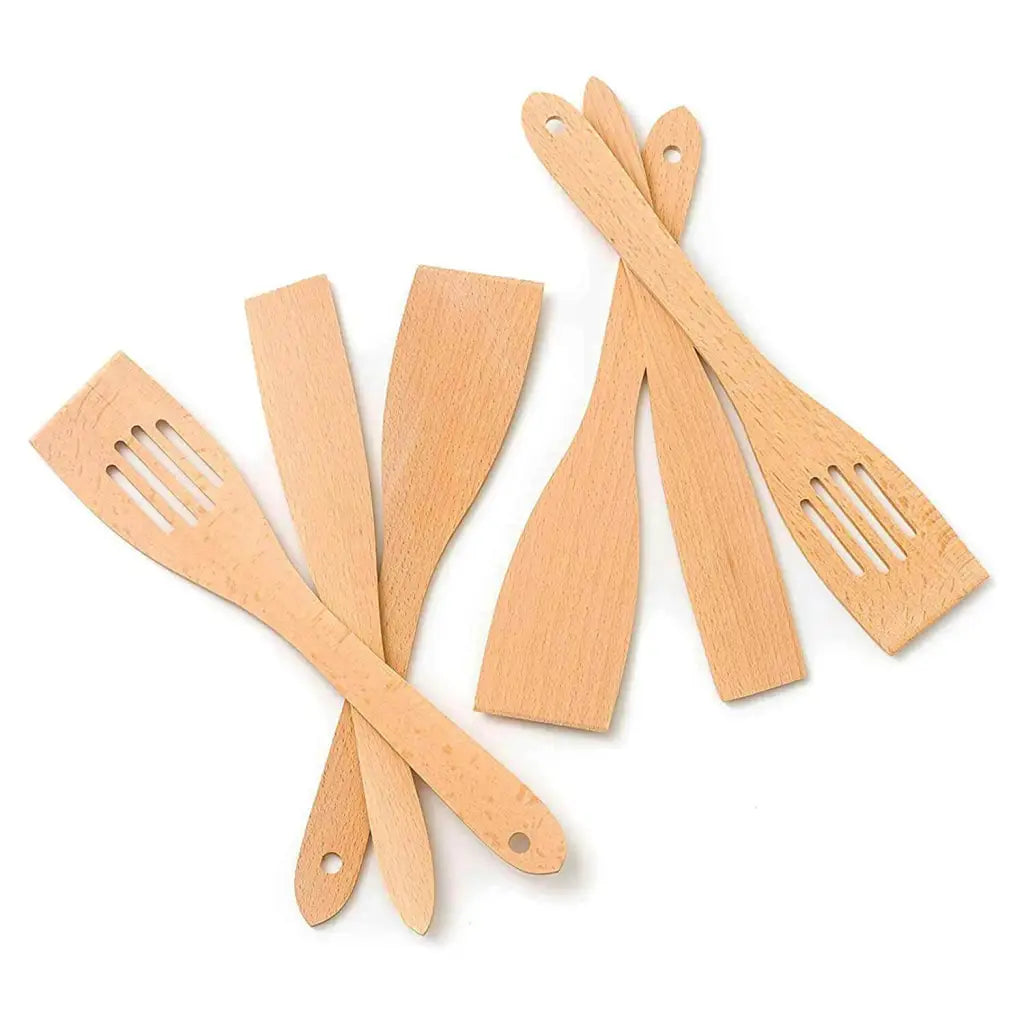
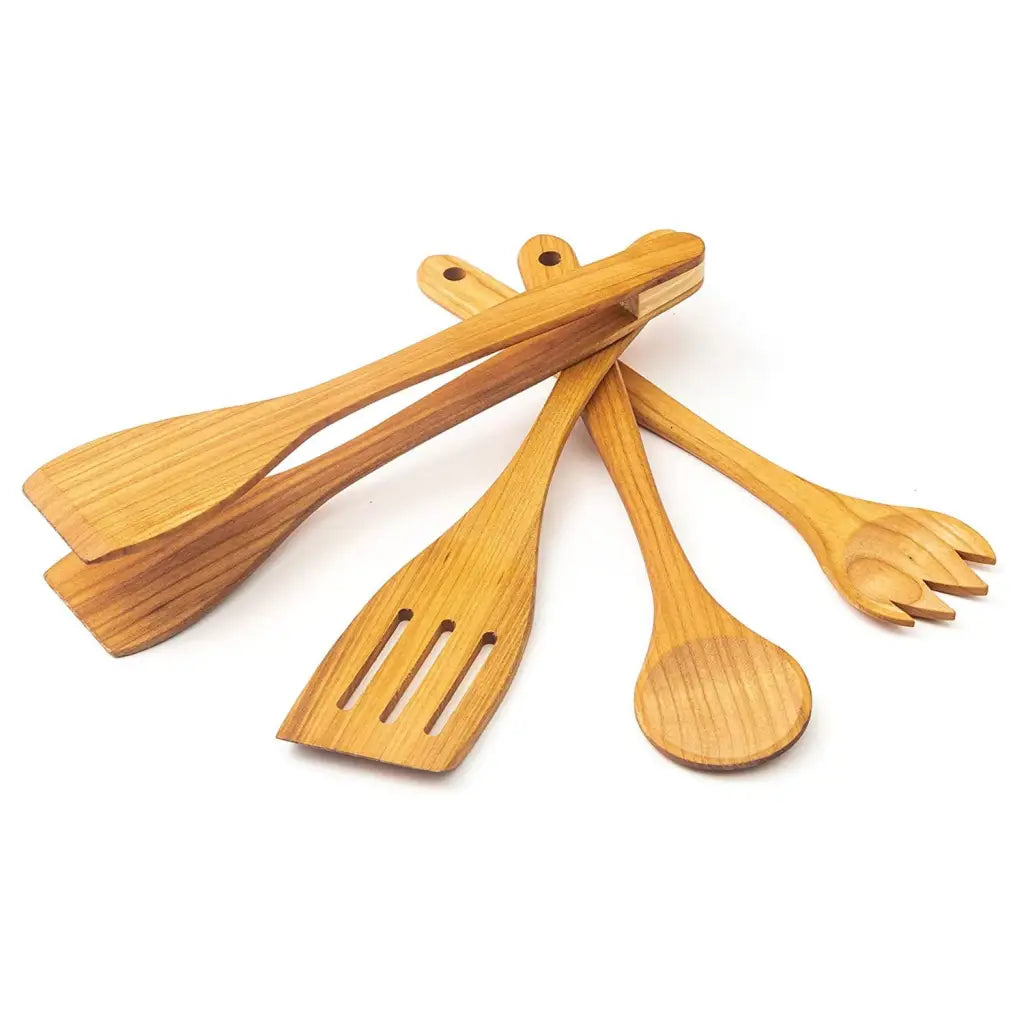
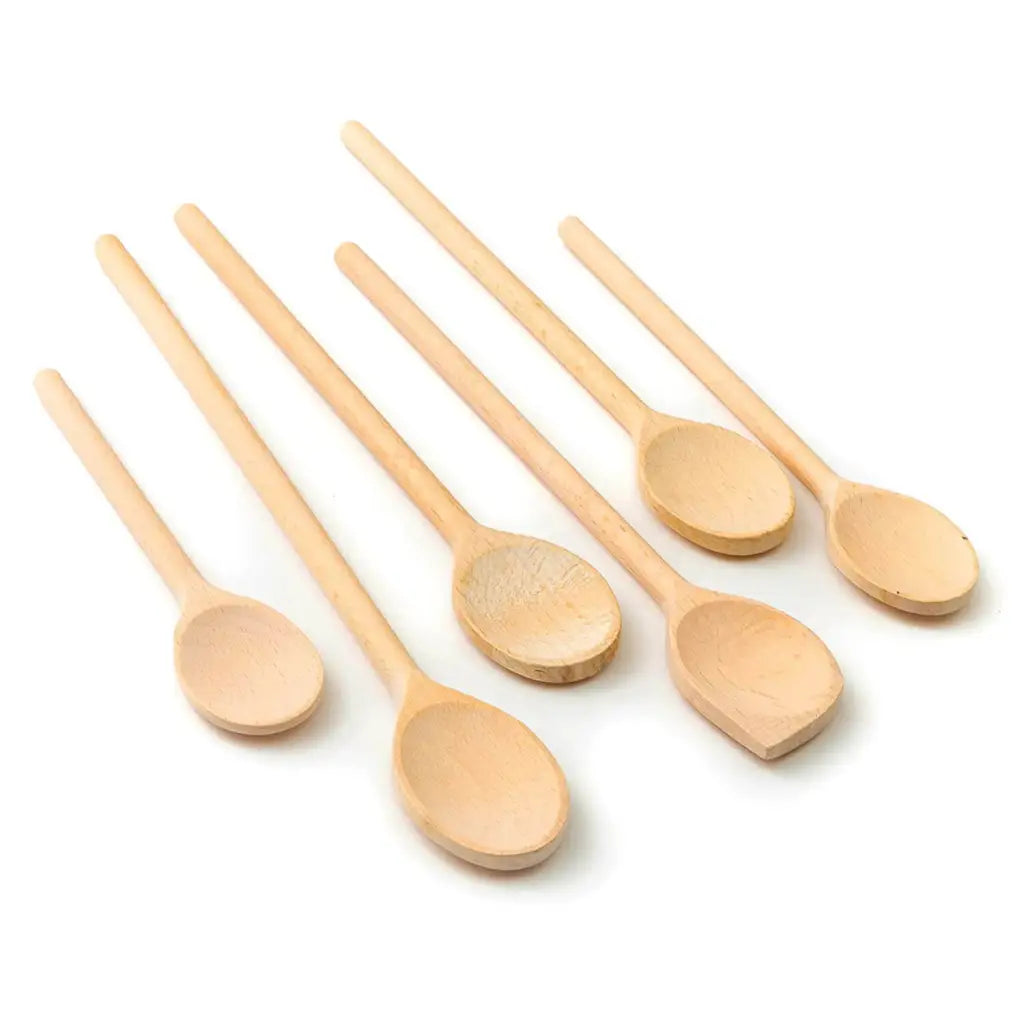
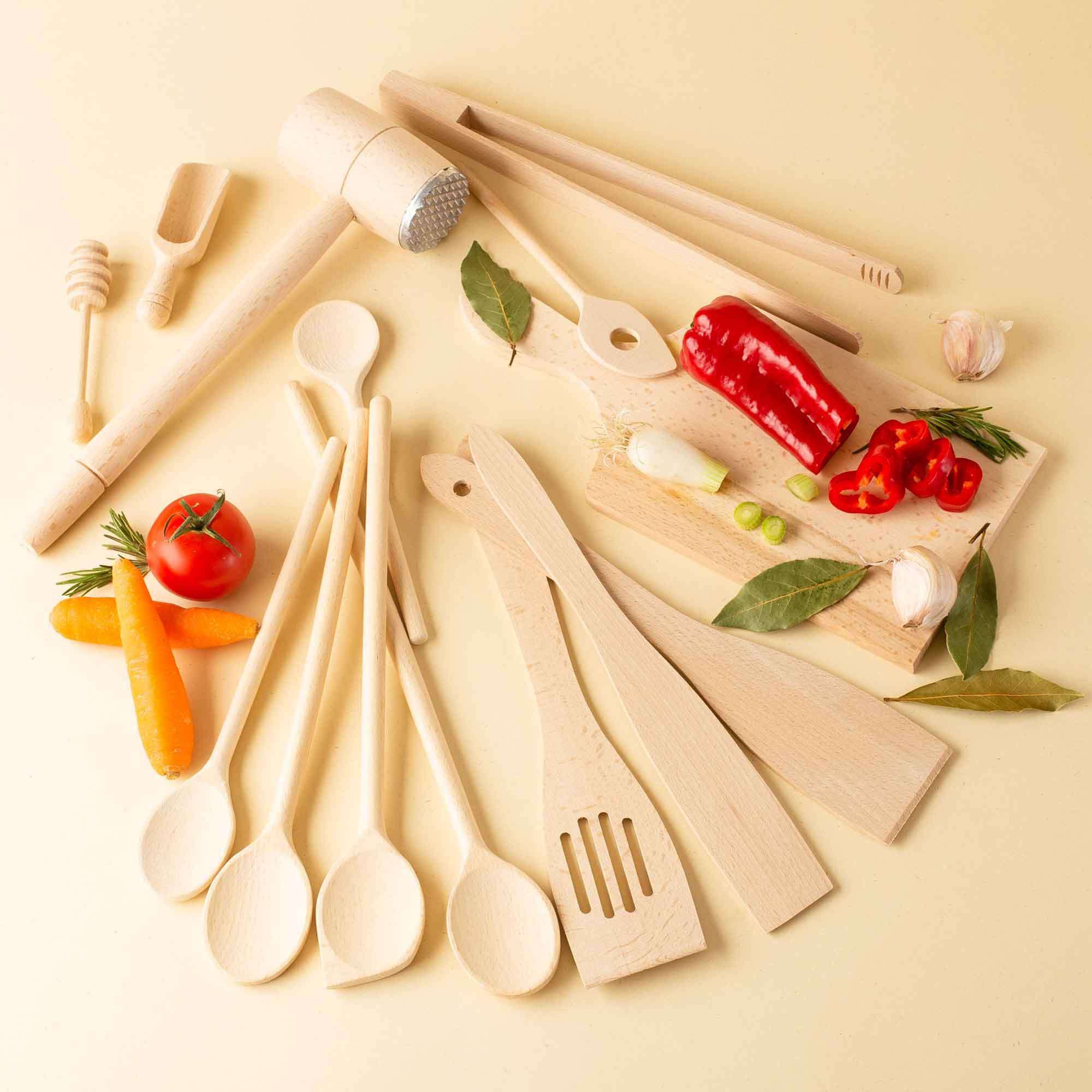
Let's get right to the heart of it: Yes, it is safe to cook with wooden spoons—when you use and care for them properly. Wooden spoons have been cherished in kitchens across generations, celebrated not just for their natural look and feel, but for their practicality and hygiene. So, if you're seeking the primary keyword "Is it safe to cook with wooden spoons?", rest assured that well-made wooden utensils are a fantastic, reliable choice for preparing food.
Why Wooden Spoons Are a Healthy Choice
Wooden kitchen utensils stand out for several reasons:
- Natural Antimicrobial Properties: Wood, particularly hard woods like beech or maple, can naturally inhibit the growth of bacteria, unlike many plastics that risk harboring germs in scratches or cracks.
- No Reactivity: Unlike metal, wood won’t react with acidic foods (like tomato sauce or lemon juice), ensuring your flavors stay pure and your cookware undamaged.
- Gentle on Cookware: Ever scratched a favorite nonstick pan with a metal spoon? Wood helps protect surfaces, preserving the quality of your pots and pans.
Real-Life Example: From Plastic to Wood
Imagine a busy home cook named Sarah, always juggling family dinners. After years of using plastic spoons, she noticed odd smells and even some warping from heat exposure. When she switched to a beautiful handmade wooden spoon, not only did her utensils last longer, but the meals somehow tasted a bit more authentic—and she loved that wooden spoons didn't discolor or melt. Cooking felt warmer, more natural, and cleaner, too!
The Wonders of Wooden Massagers and Rollers
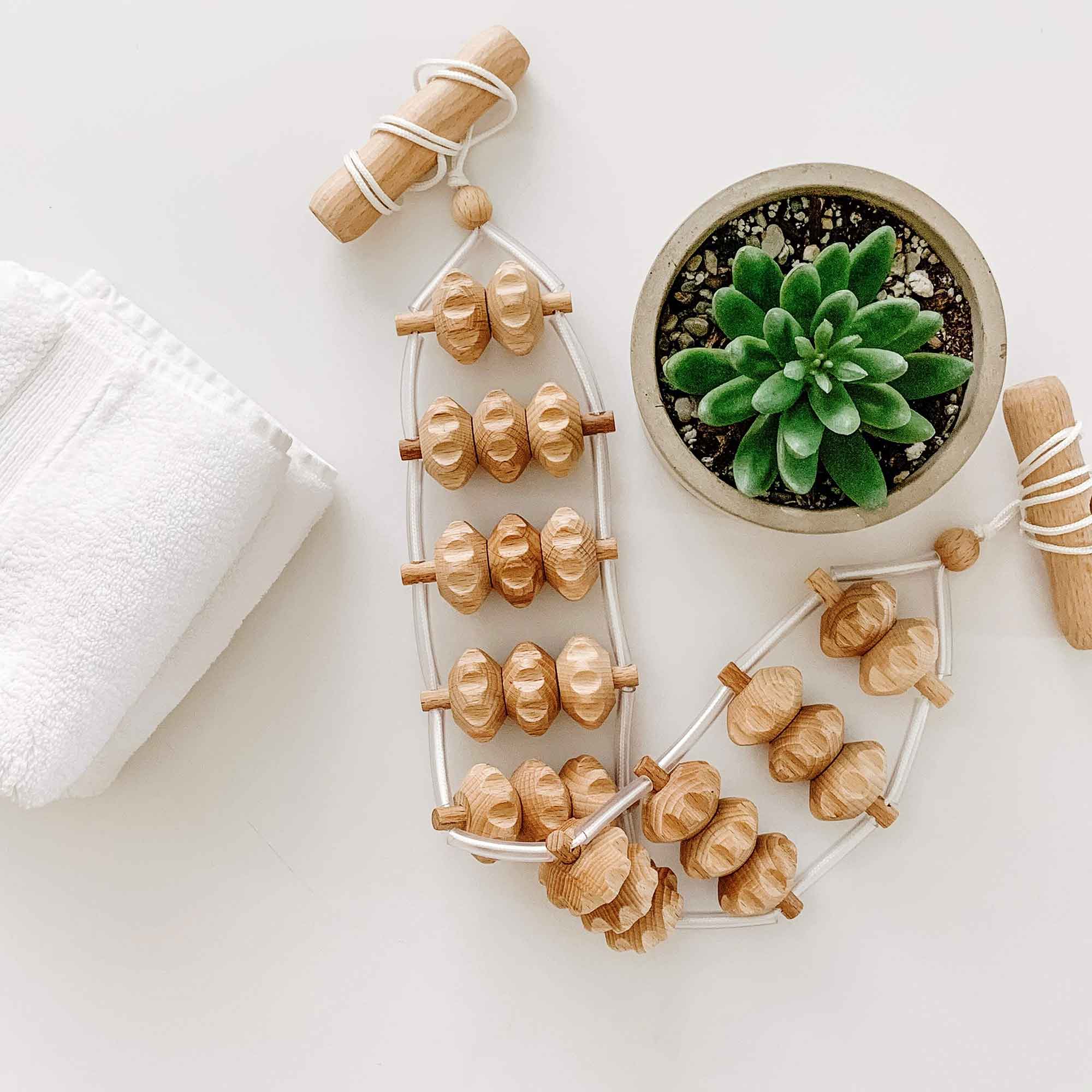
But wooden greatness doesn't end in the kitchen. Wooden massagers and rollers have been a revelation for many, especially those weary from desk work or physical activity. Take Mark, who swapped his plastic roller for one of our handcrafted wooden massagers after a friend recommended it. At first, he was skeptical. But after just a couple of weeks, he noticed the difference: smoother pressure, no unpleasant chemical smells, and a grounded, earthy feel with every use. Not to mention, the wood simply fit better in his hand, making nightly wind-downs a pleasure.
Benefits of Wood Over Plastic or Synthetic Options
- Sensory Satisfaction: Wood’s warmth and smoothness are inviting—never cold, harsh, or slick like plastic.
- No Harmful Chemicals: With proper finishing, our wooden products don't leach toxins or off-gas, unlike many synthetics.
- Durability with Elegance: Quality wood, when cared for, lasts years and only grows lovelier with time—no cracks, peels, or fading.
Sustainability and Ethical Sourcing: Our Commitment
We've always prioritized sustainability. Every wooden spoon, roller, or kitchen accessory is made from responsibly sourced, often FSC-certified woods—so you can feel good about every chop, stir, and massage roll. For instance, when a storm toppled willows near our workshop, our artisans carefully salvaged the branches for new products, giving otherwise lost wood a second life. By choosing these items, you're contributing to forest health, reducing landfill waste from broken synthetics, and supporting small-scale, eco-conscious craftsmanship.
Caring for Your Wooden Kitchen Products and Massagers
Proper care ensures your wooden utensils and massagers stay beautiful—and safe to use—year after year.
How to Clean and Maintain Wooden Spoons
- Wash promptly after use with mild soap and warm water. Don’t let them soak—wood absorbs water.
- Air dry thoroughly. Avoid putting them in the dishwasher, which can cause warping and splintering.
- Periodically, rub with a food-safe mineral oil or beeswax polish to nourish and protect the wood.
Real-life tip: I once left my favorite wooden spoon unwashed overnight (we’ve all been there!). It dried out, lost its sheen, and felt rough. After a gentle sanding and oiling, it looked and felt brand new—but I learned my lesson about timely washing and regular oiling!
Maintaining Wooden Massagers
- After use, wipe clean with a damp cloth; never soak.
- If tension or odor develops, use a solution of water and a splash of vinegar to freshen.
- Oil monthly to keep the wood from drying or cracking.
Neglecting this step can shorten your massager's life and diminish its comforting feel, but consistent TLC means lasting relief and beauty.
Unique Features of Our Handcrafted Wooden Products
Each item in our lineup tells a story. From the subtle wood grain of an ash roller that fits perfectly in your palm, to the slight, intentional curve in our spoons (designed for both right- and left-handed chefs!), every piece is one-of-a-kind. Many customers share how they love the personal touch—one even told us how our engraved kitchen utensils turned a housewarming gift into a cherished keepsake. It’s not just the function; it’s the soul behind the product.
Do Wooden Spoons and Massagers Have Any Disadvantages?
While wooden kitchen utensils are safe and practical for most uses, they do require some care. Avoid using them on raw meats to prevent any risk of contamination. And always make sure utensils aren’t cracked or deeply scratched—these can harbor bacteria. So long as you follow basic maintenance, wooden products are every bit as safe, and often safer, than their synthetic counterparts.
Conclusion: Wood Wins—In Safety and Style
So, is it safe to cook with wooden spoons? Absolutely—and they're a joy to use! Both in the kitchen and throughout your wellness routine, wooden spoons, massagers, and rollers offer unbeatable safety, natural charm, and sustainable peace of mind.
Ready to make the switch? Embrace the beauty and practicality of wood. Your kitchen—and your wellness—will thank you.
Frequently Asked Questions
Are wooden spoons hygienic?
- Yes! Wood naturally resists bacterial growth better than plastic. For example, after a soup-splattering mishap, a customer found our spoon easy to clean and fresh smelling after a quick wash and dry.
How long do wooden spoons last?
- With proper care—gentle washing, thorough drying, and regular oiling—wooden spoons can last for years. One family shared that their handmade spoon was passed down and still looks great after a decade!
Can wooden utensils be used with all types of cookware?
- Absolutely! They're especially gentle on nonstick surfaces and won’t scratch delicate pots. A home chef who loves nonstick pans told us they only trust wood for stir-frying eggs.
Why choose wooden massagers over plastic?
- Wooden massagers offer a natural feel, are often more durable, and don’t contain synthetic chemicals. One customer found their daily stress relief routine much more relaxing after switching to our wooden roller.
What’s the best way to personalize a wooden spoon for a gift?
- Engraving! Personalized messages or names turn a useful utensil into a cherished keepsake, as one new homeowner discovered when she received an engraved set for her kitchen-warming.