Can Foot Massage Help Swollen Feet? Safety First
Swollen feet can have many possible causes. Sometimes feet feel heavy or tired after a long period of standing, sitting or travelling. At other times, visible swelling can be a sign that the area needs medical assessment rather than pressure from a massage tool.
That is why the first question is not which foot massager to buy. It is whether self-massage is appropriate at all.
Quick answer: Foot massage is not a treatment for swelling. Do not use a foot massager on sudden, unexplained, one-sided, painful, red or unusually warm swelling. Pause if there is a fresh injury, irritated skin, numbness or reduced sensation. If swelling is accompanied by chest pain, difficulty breathing, fainting or coughing blood, seek emergency medical help in your country.
A simple safety decision
Are your feet only tired, with no unusual swelling, pain or skin changes?
A short, gentle seated routine may be reasonable.
Is swelling new, unexplained, one-sided, painful, red, warm or accompanied by numbness?
Pause self-massage and ask for appropriate professional advice.
Does swelling occur with chest pain or difficulty breathing?
Seek emergency medical help.
This decision matters more than choosing between different rollers.

Tired feet and swollen feet are not the same
Feet can feel tired after a long day without looking or feeling unusual. In that situation, some people choose a short, gentle foot-care routine for comfort.
Visible swelling is different. Swelling is a symptom, not a diagnosis, and the reason for it may not be obvious. It can be related to prolonged sitting or standing, an injury, medication, pregnancy or a health condition. A massage tool cannot tell those causes apart.
The safest approach is to pause whenever swelling is new, unexplained or different from what is normal for you.
When should you avoid a foot massager?
Do not massage the area or place it on a foot roller when:
- swelling appeared suddenly;
- swelling is mainly on one side;
- the area is red or unusually warm;
- there is significant or unexplained pain;
- there is a fresh injury, wound or irritated skin;
- you feel numbness, tingling or reduced sensation;
- the symptoms feel unusual or are getting worse;
- a healthcare professional has told you to avoid pressure on the area.
Sudden one-sided swelling, pain, warmth and redness can occur with conditions that need prompt medical assessment. A foot massager should not be used to test whether those symptoms improve.

Seek emergency help for breathing or chest symptoms
Swelling together with chest pain, difficulty breathing, fainting, a very fast or irregular heartbeat, or coughing blood can be an emergency.
Do not massage the feet or wait to see whether a roller changes the symptoms. Seek emergency medical help in your country.
Ask for individual advice before use
Speak with an appropriate healthcare professional before using a foot massager if you have:
- diabetes with foot symptoms;
- numbness or reduced ability to feel pressure, pain, heat or cold;
- known circulation or vascular problems;
- recurrent or unexplained swelling;
- a recent injury or operation;
- pregnancy-related swelling that is new, sudden or concerning;
- a condition for which you have been given specific foot-care instructions.
Reduced sensation matters because you may not reliably notice excessive pressure, skin irritation or a small injury.
When may gentle manual use be reasonable?
A short manual routine may be reasonable when your feet simply feel tired, the skin looks normal, there is no unusual swelling or significant pain and light contact feels comfortable.
If swelling is recurrent, medically diagnosed or part of an existing condition, follow the advice you have already been given rather than relying on a general article.
When gentle use is appropriate:
- Sit in a stable chair.
- Place the tool on a flat, non-slip surface.
- Begin with the lightest pressure that keeps the rollers moving.
- Move slowly and keep the foot relaxed.
- Treat the first use as a brief test rather than a therapeutic session.
- Stop immediately if you notice pain, numbness, skin irritation, increasing swelling or any feeling that the pressure is unsafe.
Do not stand on a wooden foot massager or place your full body weight through it.
Manual wooden rollers are different from powered devices
The term foot massager can refer to very different products. A manual wooden roller is not the same as an electric kneading device, a heated massager or a compression system.
| Tool type | How it works | Important distinction |
|---|---|---|
| Manual wooden foot roller | Your foot provides the movement and you control the pressure directly. | No motor, heat or automated compression. |
| Electric kneading or shiatsu device | A motor creates repeated movement, sometimes with heat. | Pressure and motion may continue until the device is adjusted or stopped. |
| Compression device | Sleeves or chambers apply pressure around part of the foot or leg. | This is a separate device category and may require individual professional guidance. |
Why manual control matters
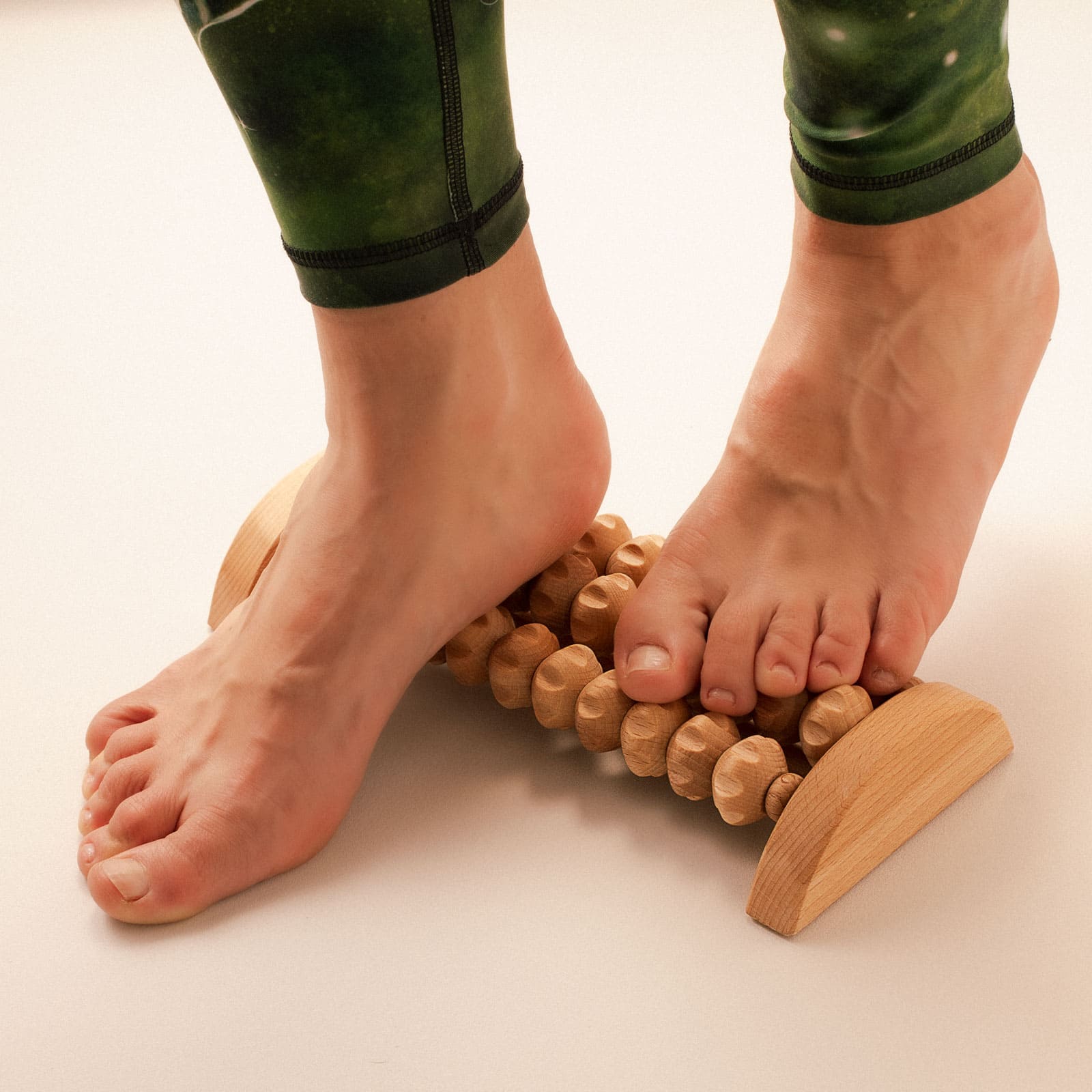
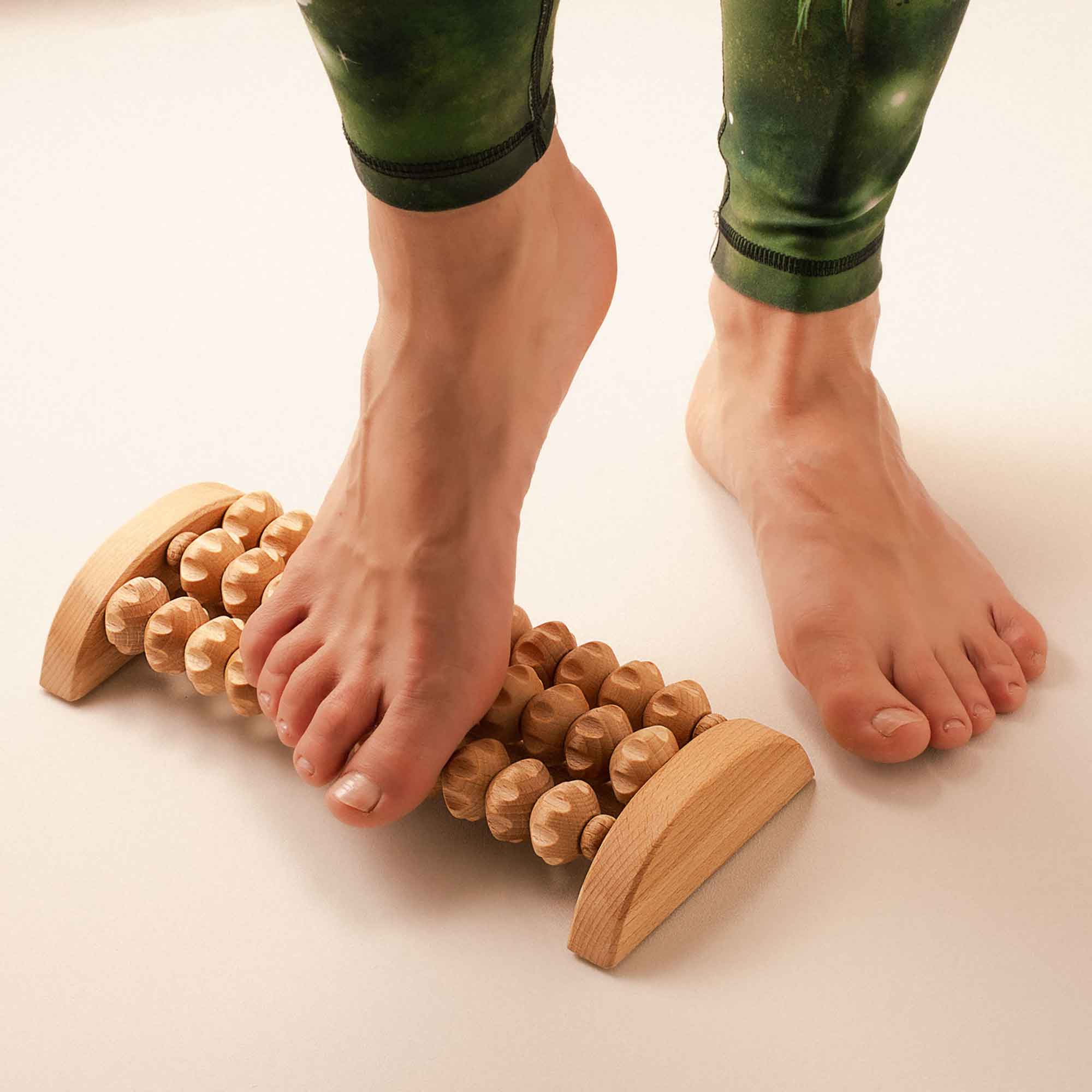
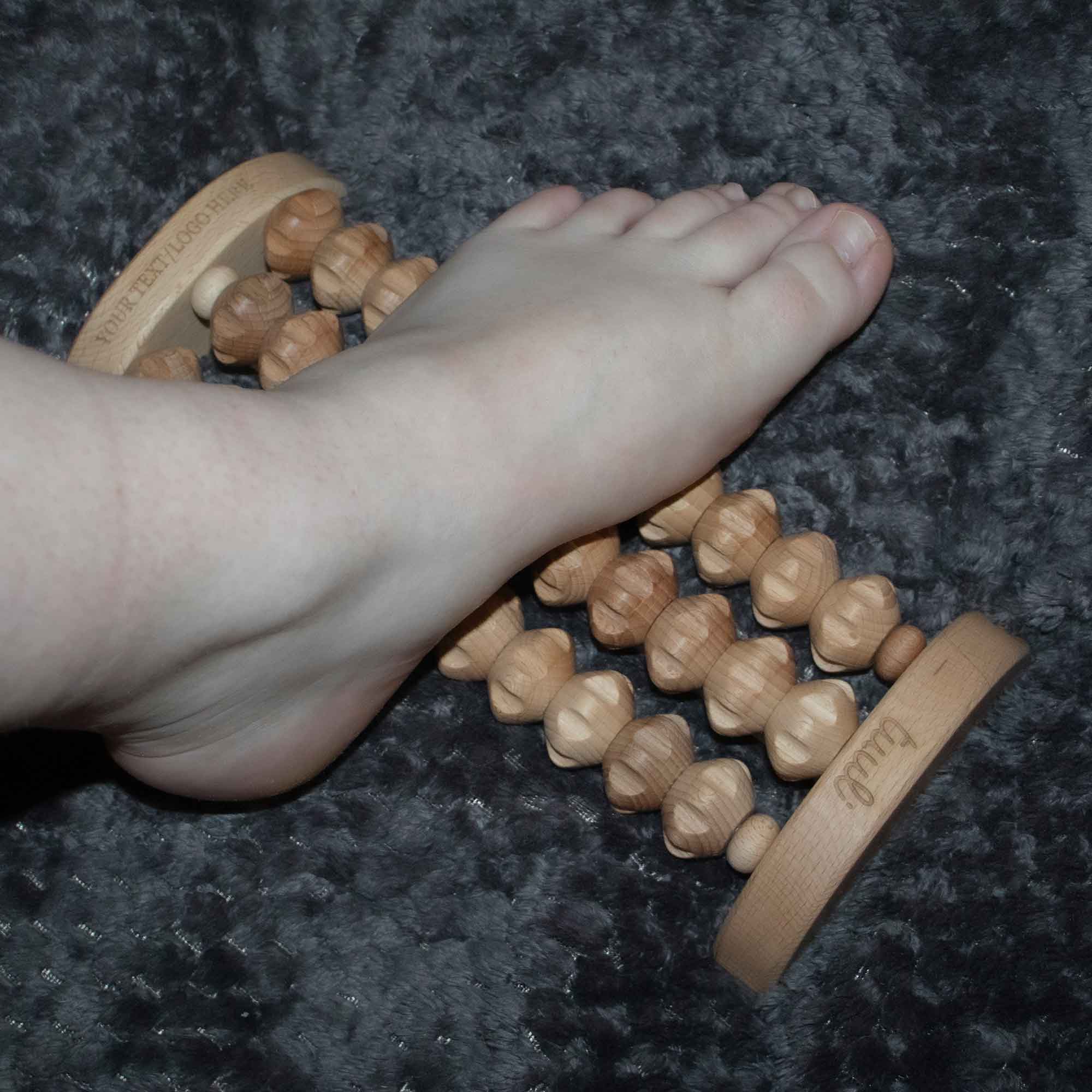
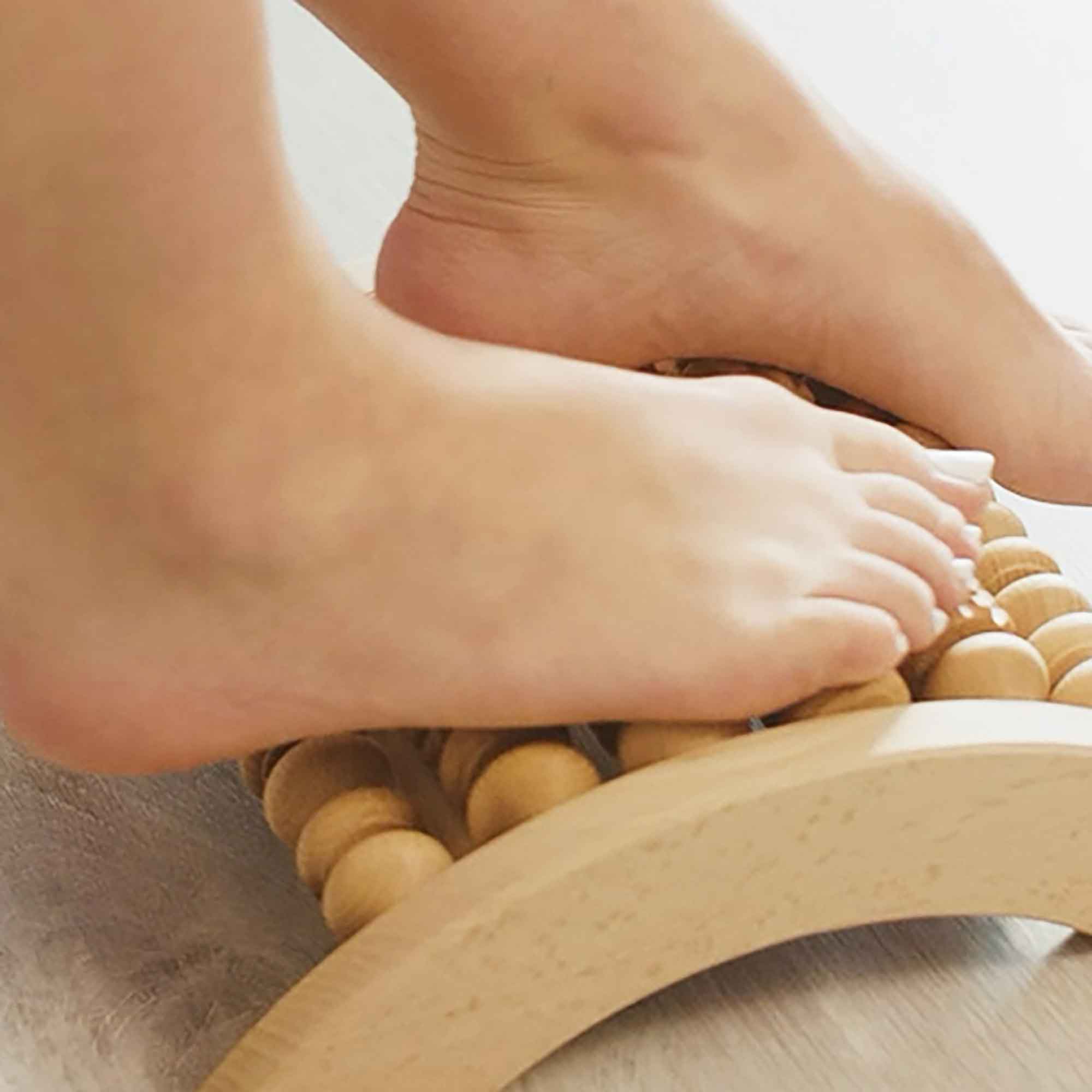
Tuuli wooden foot massagers use manual movement rather than motors, heat or automated compression. You decide when the rollers move, how quickly they move and how much pressure you place through the foot. You can stop the movement immediately by lifting your foot away.
That direct control is one reason a manual format can suit a short, seated routine when self-care is otherwise appropriate.
It is not a medical advantage and it does not make a roller suitable for unexplained swelling. Manual control only makes the movement and pressure easier for the user to regulate.
Which Tuuli foot-massager format gives you the most control?
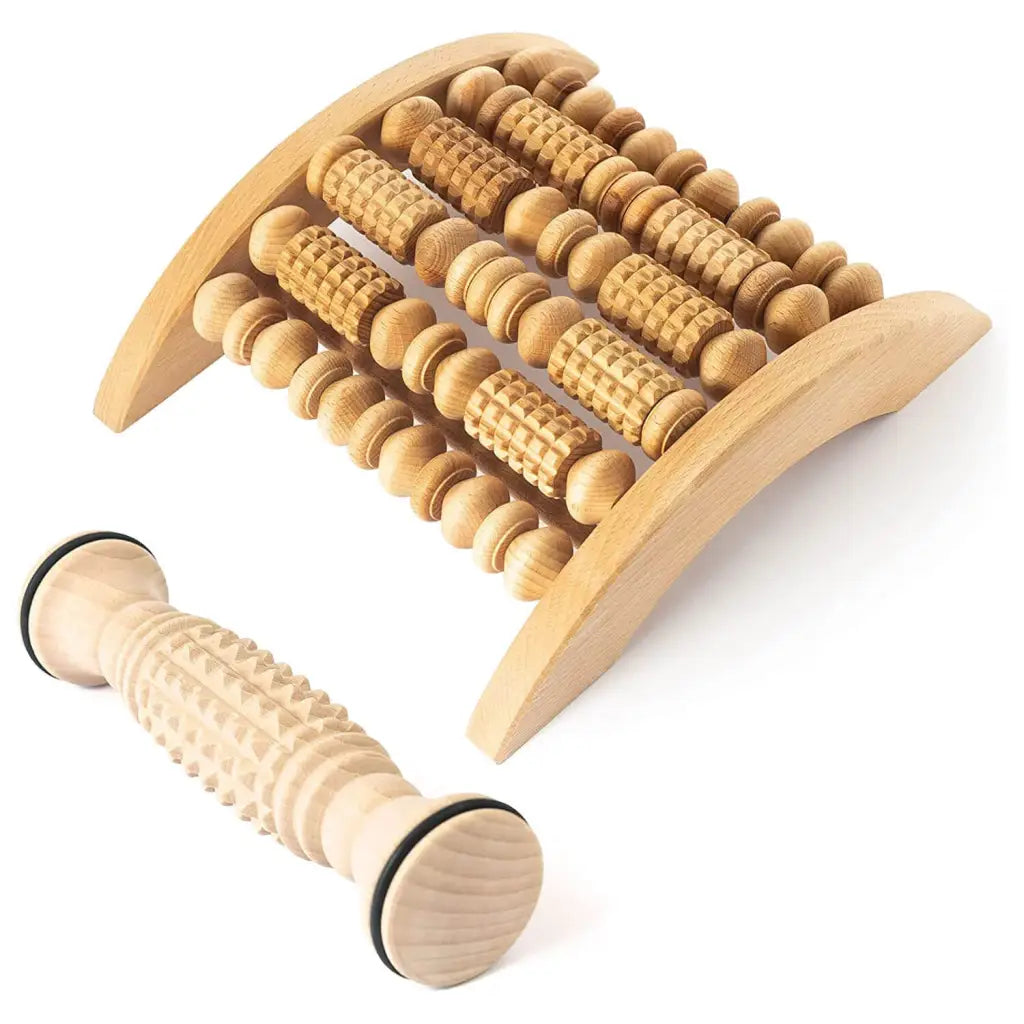
Tuuli wooden foot massagers are manual wellness products, not medical devices. Choose between them by stability, size, storage and how you prefer to guide the movement.

| Tuuli format | Best fit when | What you control |
|---|---|---|
| Beechwood Multi-Roller Foot Massager | You want a wide, stable base for seated use. | Foot position, rolling speed and the amount of pressure placed through one or both feet. |
| Beechwood Foot Massage Roller 20 cm | Compact storage and a small one-foot setup matter most. | Placement, speed and light pressure under one foot. |
| Beechwood Foot Massage Roller 26 cm | You prefer a longer single roller without a wide base. | Placement, speed and pressure across a longer rolling surface. |
Which Tuuli format would we choose first?
There is no single best choice for every user.
- If stability matters most: we would start with the Beechwood Multi-Roller Foot Massager because it has the widest base of the three formats.
- If compact storage matters most: we would choose the 20 cm roller.
- If you prefer a longer single rolling surface: we would choose the 26 cm roller.
None of these choices determines whether massage is appropriate for swelling. The safety decision comes first.
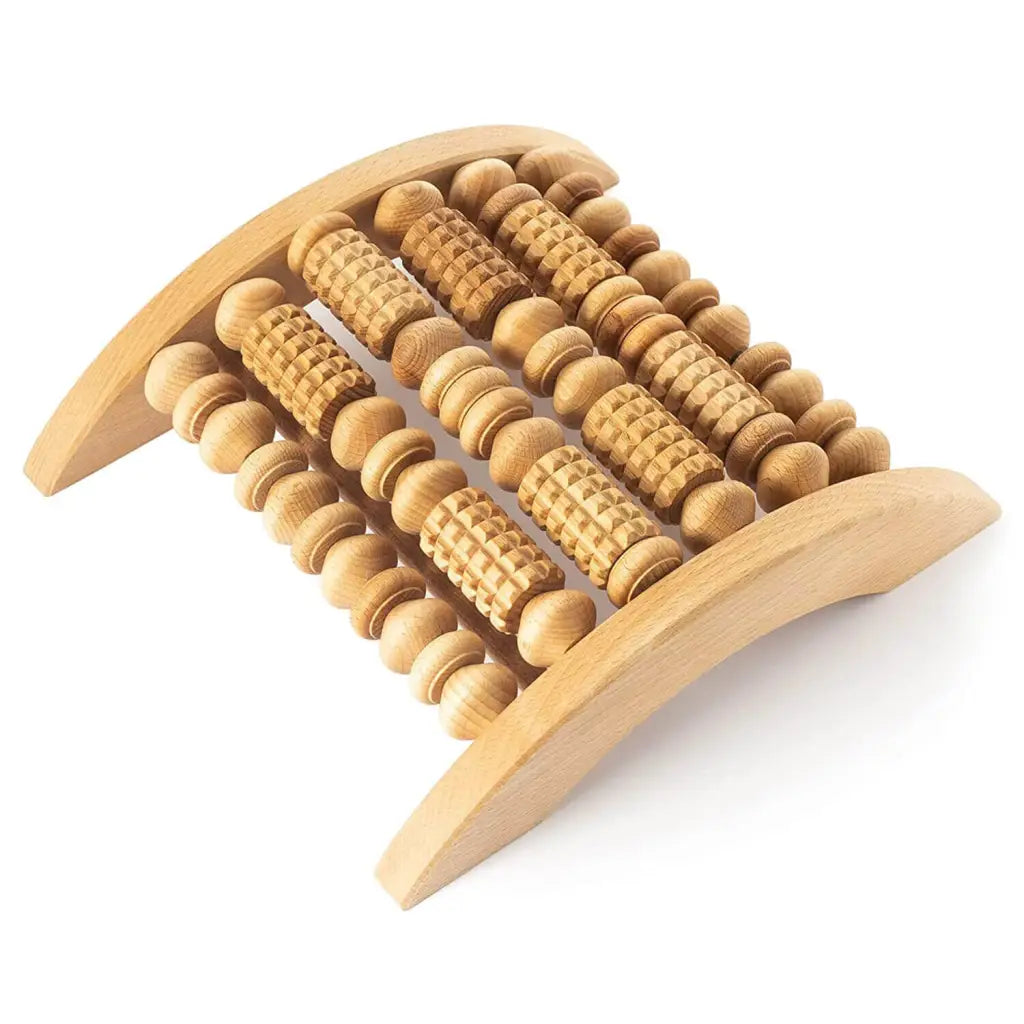
Beechwood Multi-Roller Foot Massager
The multi-roller version has a wide wooden base that stays on the floor while several rollers move under the foot. In the Tuuli range shown here, it provides the widest and most stable base for seated use.
View the Beechwood Multi-Roller Foot Massager
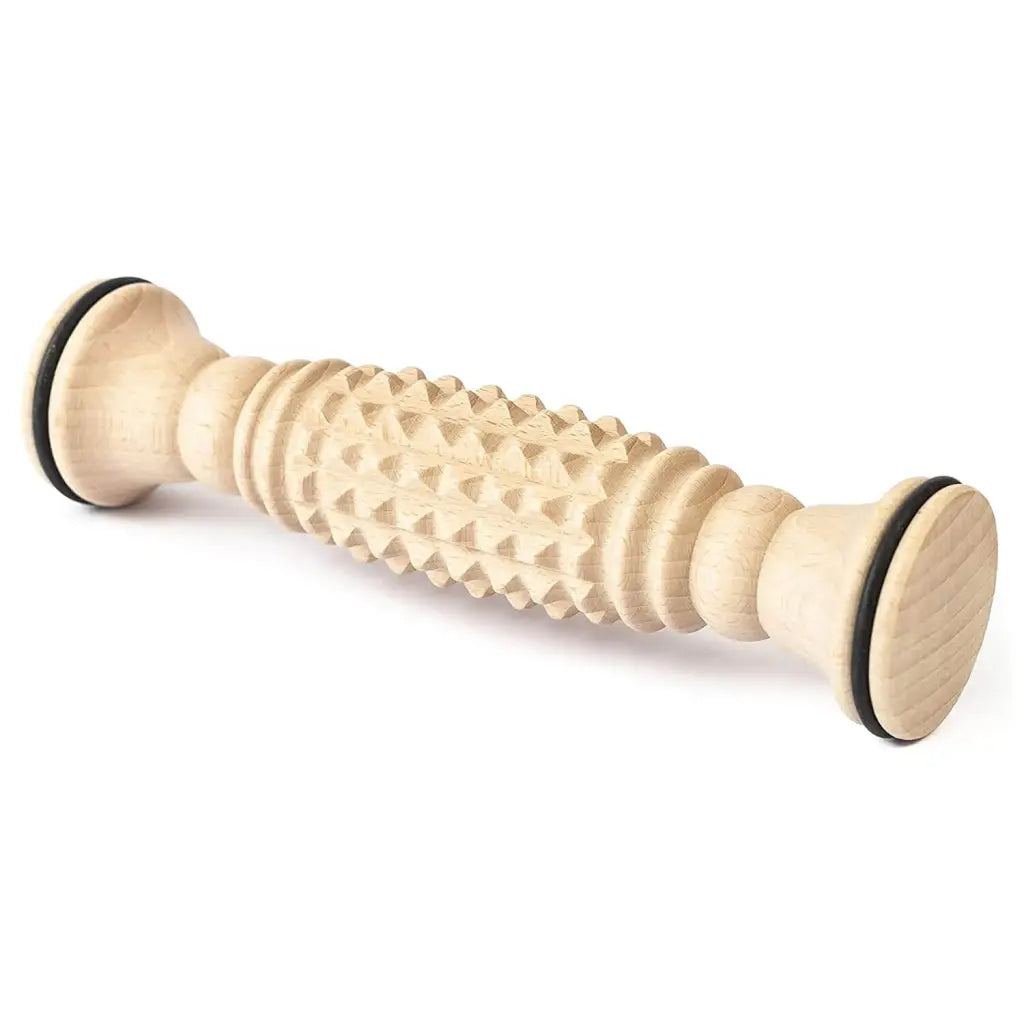
Beechwood Foot Massage Roller 20 cm
The 20 cm roller is the smallest format in the comparison. It is intended for one foot at a time and is the Tuuli option we would choose when compact storage matters most.
View the Beechwood Foot Massage Roller 20 cm
Beechwood Foot Massage Roller 26 cm
The 26 cm roller provides a longer rolling surface than the compact version while remaining easier to move and store than a wide multi-roller base. It is the Tuuli option we would choose when a longer single rolling surface matters most.
View the Beechwood Foot Massage Roller 26 cm
What can a wooden foot massager realistically do?
People often expect a foot massager to solve the reason their feet feel swollen, sore or uncomfortable. In practice, a manual wooden roller is much simpler. It provides a moving surface for a short, controlled routine.
Its practical value lies in format, pressure control and convenience, not medical treatment.
When it is appropriate for you to use one, a manual wooden foot massager can:
- provide a simple rolling surface for a short seated routine;
- let you control speed and pressure yourself;
- offer a choice between a stable multi-roller base and compact single rollers;
- fit into a general comfort or self-care routine.
It cannot:
- diagnose the cause of swollen feet;
- treat oedema or another medical condition;
- guarantee reduced swelling;
- guarantee improved circulation;
- perform lymphatic drainage;
- replace medical assessment or individual foot-care advice.
The most useful question is therefore not Which roller treats swelling? It is Is self-massage appropriate, and which manual format gives me the control I prefer?
Related Tuuli guides
- For full setup and technique guidance, read How to Use a Wooden Foot Massager Safely.
- For a separate evidence-led discussion, read Foot Massagers and Circulation: What to Know. Circulation questions should not be treated as proof that a massager is suitable for swelling.
- For realistic product expectations, read Wooden Foot Rollers: What to Expect.
You can also compare Tuuli wooden foot massagers or read the Tuuli product instructions.
Frequently asked questions
Can I massage swollen feet?
Not automatically. Swelling has many possible causes, so unexplained or unusual swelling should be assessed rather than tested with pressure. Do not massage swelling that is sudden, one-sided, painful, red, warm, injured or associated with numbness.
Can a foot massager reduce swelling?
A wooden foot massager is not a treatment for swelling, and Tuuli does not claim that it reduces oedema. Some people may find a short manual routine comfortable when no warning signs are present and self-care is appropriate for them.
Is a manual wooden roller safer than an electric foot massager?
Not in every situation. A manual roller gives you direct control over speed and pressure, but it is still inappropriate when warning signs or contraindications are present. Powered, heated and compression devices are different product categories with their own instructions and safety limits.
Can I use a foot roller if I have diabetes or numb feet?
Ask an appropriate healthcare professional before use. Diabetes can affect nerves and blood flow, and numbness can make cuts, pressure or irritation harder to notice.
How much pressure should I use?
Use only light, comfortable pressure that you can control while seated. Stop if you tense, pull away, feel pain or numbness, or notice skin irritation or increasing swelling.
What should I do if only one foot or leg is swollen?
Do not massage unexplained one-sided swelling. Seek prompt medical advice, particularly if the area is painful, warm, red or tender.
What if swelling comes with chest pain or difficulty breathing?
Seek emergency medical help in your country. Do not use a foot massager or wait to see whether the symptoms improve.
The safest next step
If you are unsure why your foot is swollen, the safest choice is to pause and understand the reason before using any massage tool.
That decision matters more than choosing between different rollers.
When gentle self-care is appropriate, choose the manual format that gives you the stability, size and pressure control you prefer.
Specialist review

Reviewed by Gorazd Slavinec
Massage therapist at Spina masaža
Gorazd Slavinec has worked in massage practice since 2010. His work includes manual massage techniques and the practical use of different massage tools.
Review scope: Gorazd reviewed the complete article, including the distinction between tired feet and unexplained swelling, the stop signs and emergency hierarchy, consult-first guidance, seated manual-use limits, the comparison with powered devices, product-format guidance and all FAQ answers.
Review date: 1 August 2026
Professional profile | Spina masaža website | Facebook | Instagram
Sources and further reading
The safety boundaries in this article are based on current patient guidance from:
- NHS: Swollen ankles, feet and legs
- CDC: About venous thromboembolism and blood clots
- MedlinePlus: Foot, leg and ankle swelling
- CDC: Diabetes and your feet
Tuuli wooden foot massagers are manual wellness products, not medical devices. This article provides general product and safety information and is not a diagnosis, treatment plan or substitute for advice from a qualified healthcare professional.

Written by Peter Čuček
Tuuli author bio
Tuuli blog and product-support content is prepared under the Tuuli editorial workflow and published by Peter Čuček, store owner of Tuuli, where applicable. The goal is to help customers choose, use, clean and store wooden products with accurate product facts, clear safety language and practical buying guidance.
Who writes Tuuli product-support and blog content?
Tuuli content is written and maintained by the Tuuli team, with product and brand context from Tuuli GmbH. Content focuses on real product details, materials, dimensions, care instructions, personalisation options, shipping, returns and customer support.
Editorial review process
- Product facts are checked against current Tuuli product information before publication.
- Internal links point to relevant products, collections, support pages and policy pages.
- Wooden massager and self-care content is reviewed for safe, non-medical wording.
- Selected wooden-massager and self-care pages include additional specialist content review where relevant.
Editorial focus
- Clear product fit: what the product is, who it is for and what is included.
- Material, dimensions, care and use guidance based on product information.
- Safe wording for wooden massagers and self-care tools.
- Internal links to relevant products, collections, instructions and support pages.
Contact and corrections
If a product detail, guide or support answer looks unclear or outdated, contact Tuuli at info@tuuli-shop.com. We review content updates against current product information and store policies.
Where to learn more
Learn more about Tuuli on the About page, check company details in the Impressum, browse the instructions page or visit the contact page if you have a product question.