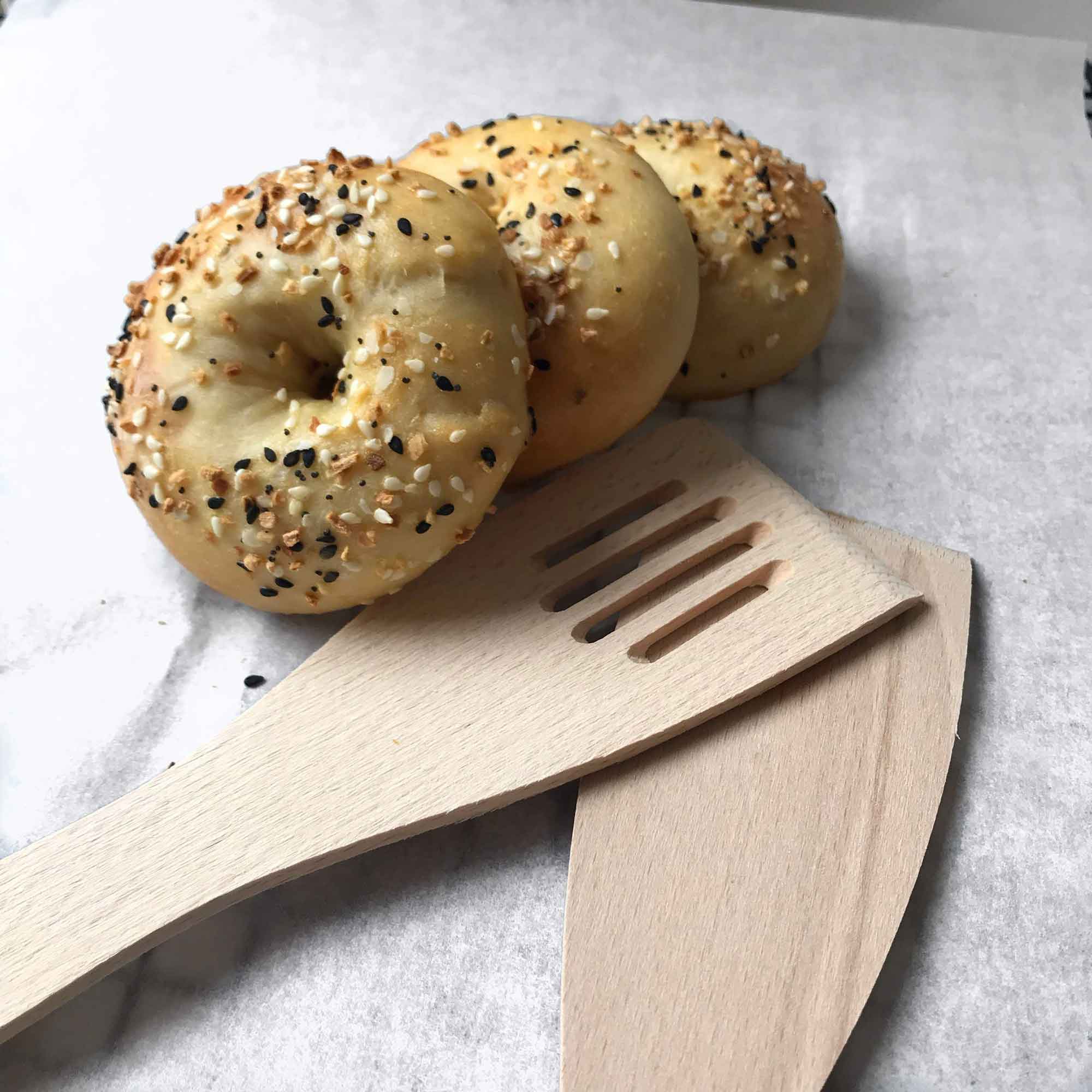

Wooden Spoons and Utensils: Why Choose Them
Why wooden spoons still belong in the kitchen
Wooden spoons are simple, but that is exactly why many cooks keep using them. They feel warm in the hand, they are quiet in the pan and they work well for stirring, folding and serving. If you are choosing practical tools for everyday cooking, start with the wooden kitchen utensils collection and compare the shapes you use most often.
Wood is also a good fit for non-stick and enamel cookware because it is less likely to scratch the surface than metal. It is not a magic material and it still needs proper cleaning and drying, but it gives a natural balance of comfort, control and durability.
Wood, metal or silicone: where wood works best
Metal is useful for high-heat tasks and lifting heavy food. Silicone is flexible and easy to rinse. Wood sits in the middle. It is firm enough for stirring thicker food, gentle enough for coated cookware and pleasant enough to use every day.
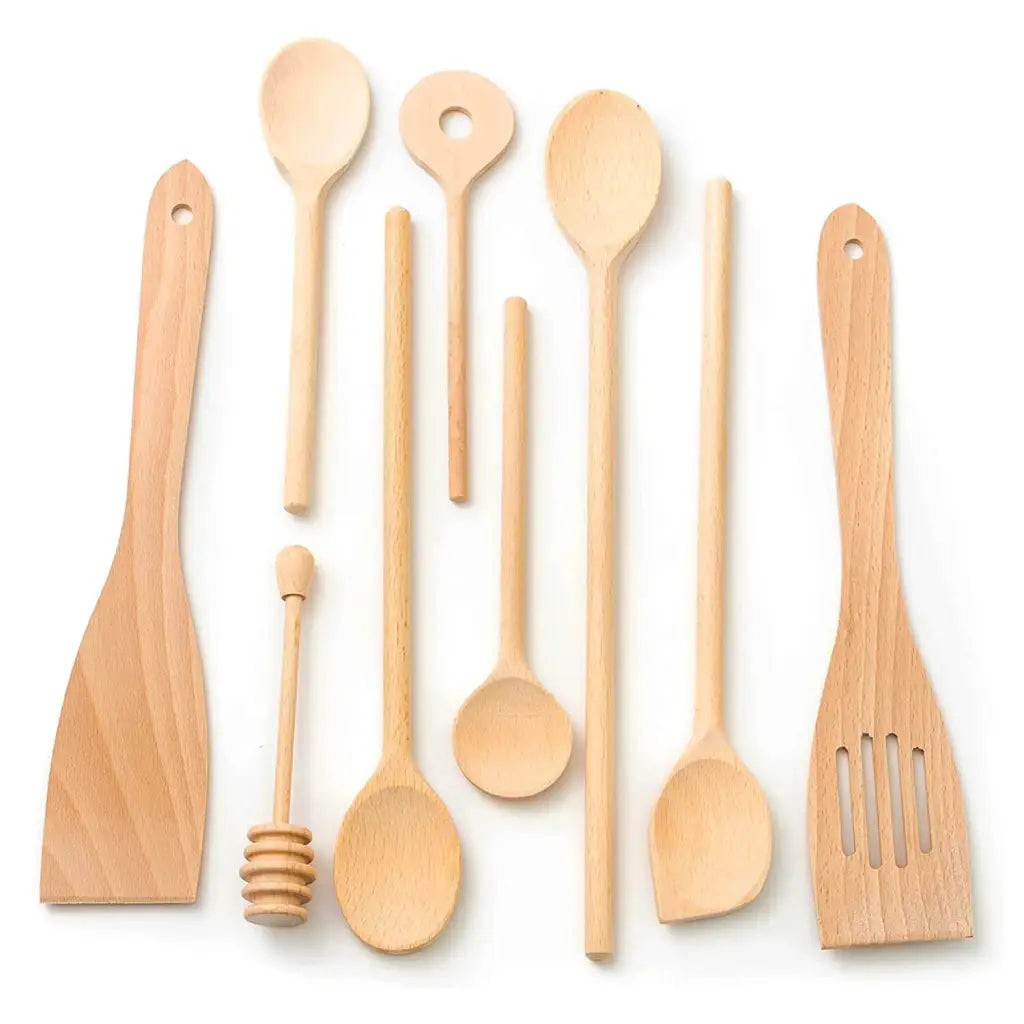
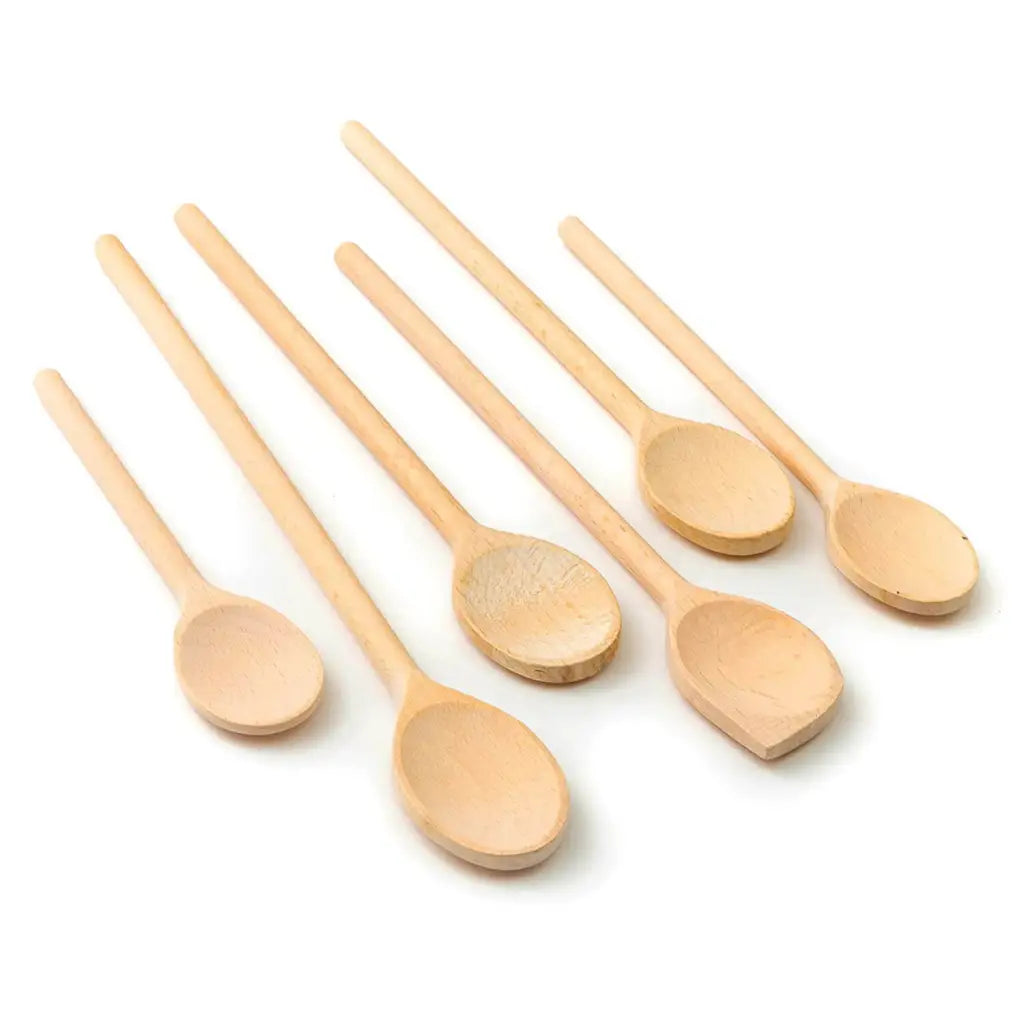
- Use a wooden spoon for soups, sauces, porridge and slow stirring. The 6-piece wooden spoon set gives several shapes for different tasks.
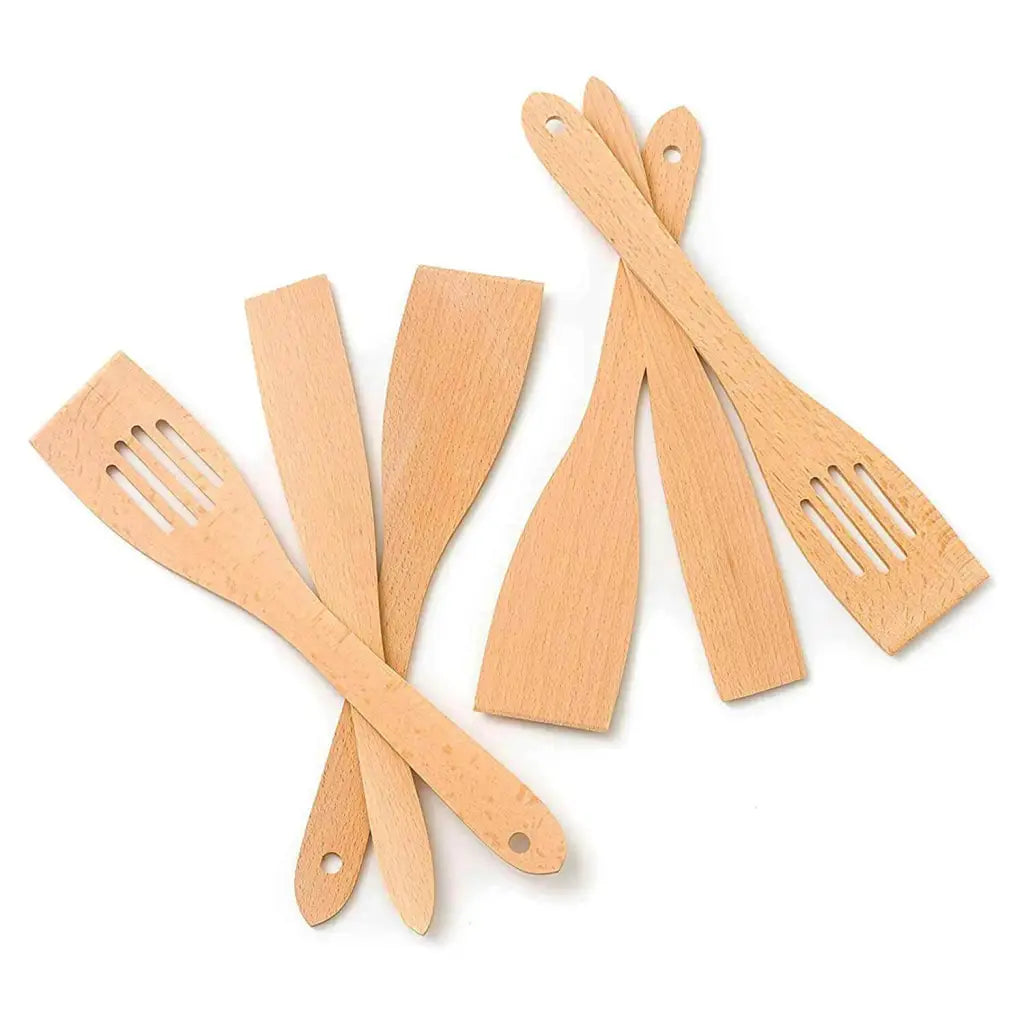
- Use a wooden spatula for turning, folding and scraping food from a pan. For more detail, read the guide to wooden spatula types and uses.
- Use a honey dipper when serving honey neatly. The set of 4 wooden honey spoons is made for serving, not for heavy stirring.
Which wooden utensils should you choose first?
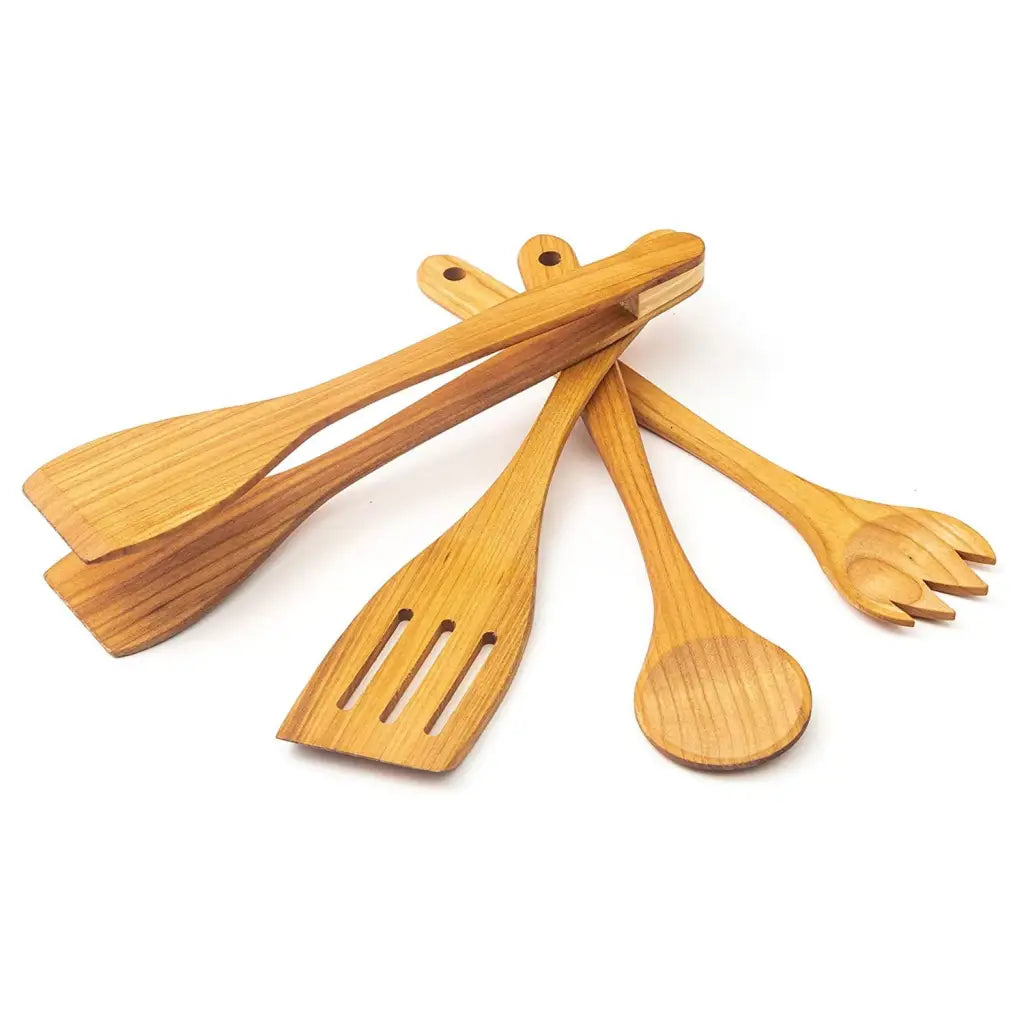
For a small kitchen, start with one spoon, one flat spatula and one serving tool. For a fuller setup, compare the 5-piece premium kitchen utensil set with the wider kitchen utensils collection. The best choice depends on what you cook most often, not on owning every shape.
If you want a broader material view, the article on why people choose wooden kitchenware explains the role of wood across boards, spoons and serving tools.
How to keep wooden spoons in good condition
Wooden utensils last longer when they are washed gently, dried quickly and stored where air can move around them. Do not soak them in water. Do not leave them pressed against a wet sink. If the surface feels dry after repeated use, refresh it with a food-safe oil suited to kitchen wood.
For basic care steps across Tuuli products, keep the Tuuli instructions page handy.
FAQ
Are wooden spoons better than silicone?
They are better for cooks who prefer a firmer, natural feel. Silicone can be useful for very flexible scraping, while wood is strong and comfortable for stirring and serving.
Can wooden utensils be used every day?
Yes. Daily use is fine when the utensils are washed, dried and stored properly.
Do wooden spoons need special care?
They need simple care. Wash by hand, dry well and avoid soaking. That is usually enough for normal daily use.

Written by Peter Čuček
Tuuli author bio
Tuuli blog and product-support content is prepared under the Tuuli editorial workflow and published by Peter Čuček, store owner of Tuuli, where applicable. The goal is to help customers choose, use, clean and store wooden products with accurate product facts, clear safety language and practical buying guidance.
Who writes Tuuli product-support and blog content?
Tuuli content is written and maintained by the Tuuli team, with product and brand context from Tuuli GmbH. Content focuses on real product details, materials, dimensions, care instructions, personalisation options, shipping, returns and customer support.
Editorial review process
- Product facts are checked against current Tuuli product information before publication.
- Internal links point to relevant products, collections, support pages and policy pages.
- Wooden massager and self-care content is reviewed for safe, non-medical wording.
- Selected wooden-massager and self-care pages include additional specialist content review where relevant.
Editorial focus
- Clear product fit: what the product is, who it is for and what is included.
- Material, dimensions, care and use guidance based on product information.
- Safe wording for wooden massagers and self-care tools.
- Internal links to relevant products, collections, instructions and support pages.
Contact and corrections
If a product detail, guide or support answer looks unclear or outdated, contact Tuuli at info@tuuli-shop.com. We review content updates against current product information and store policies.
Where to learn more
Learn more about Tuuli on the About page, check company details in the Impressum, browse the instructions page or visit the contact page if you have a product question.