Best Wood for a Honey Spoon
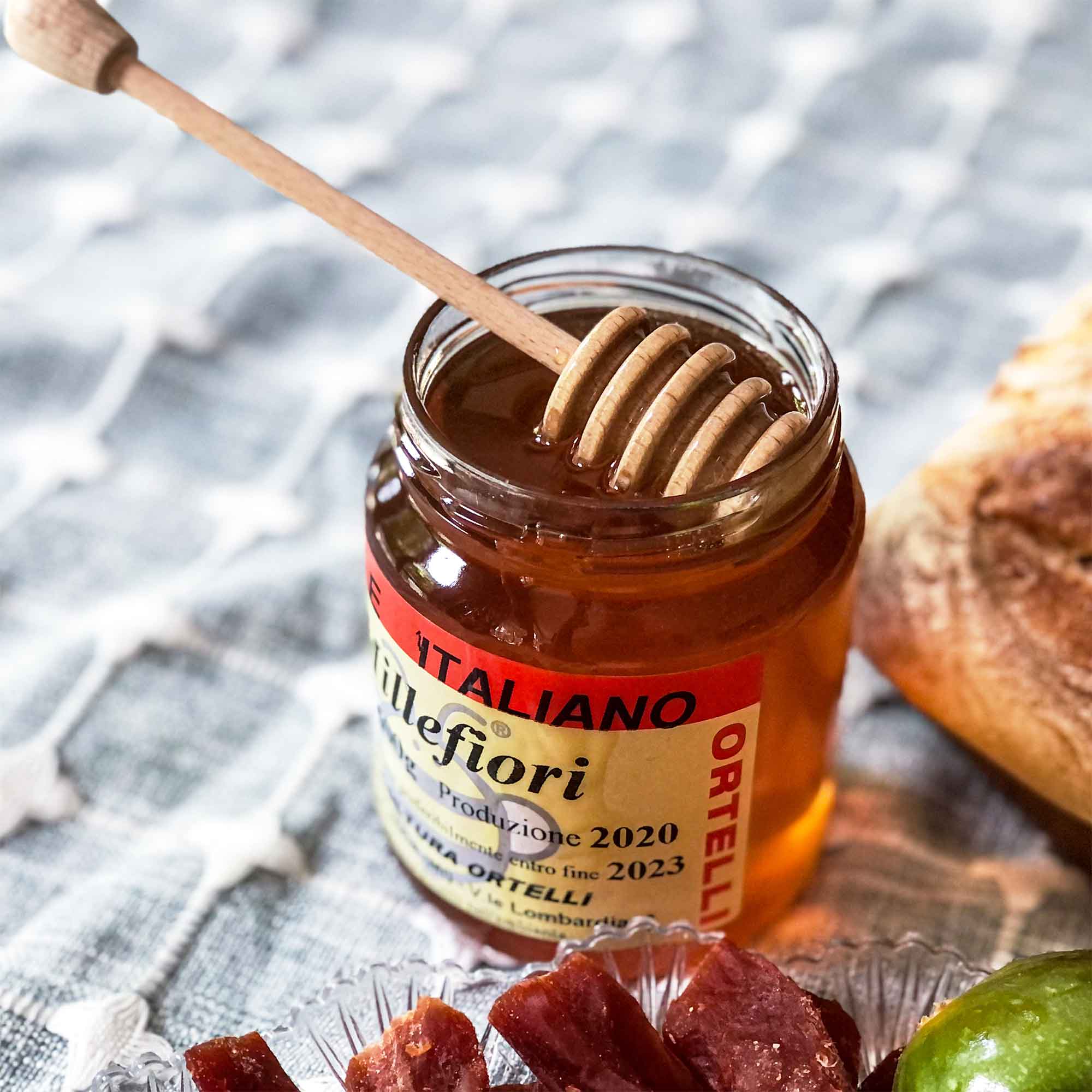
Searching for the best wood for a honey spoon? Whether you’re passionate about gourmet kitchen products or simply looking to elevate your daily tea ritual, picking the right wood makes all the difference. In this comprehensive guide, we’ll dive into the world of wooden honey dippers, massagers, and rollers, exploring how natural materials blend tradition and sustainability while ensuring your honey stays fresh and delicious. Uncover the benefits of wooden tools over plastic, how proper care can extend their life, and why handcrafted, sustainable utensils from our shop create not just meals, but memories. Get ready to transform your kitchen experience and discover why the right wood isn’t just about function – it’s about tradition, eco-conscious living, and a touch of personal joy.
Why Choosing the Best Wood for a Honey Spoon Matters
The best wood for a honey spoon is more than an aesthetic choice – it influences flavor, durability, and the experience of savoring every golden drop. If you love drizzling honey over warm toast or stirring it into herbal tea, you know the difference a quality spoon can make. But what exactly makes one wood stand out from another?
Not all woods are created equal when it comes to food safety, resistance to moisture, or maintaining honey’s delicate taste.
Top Woods for Honey Spoons: The Clear Favorites
When shopping for the perfect wooden honey dipper, some criteria immediately stand out: non-toxicity, tight grain, durability, and sustainability. Let’s look at the best options:
- Beechwood: Tightly grained, smooth, and naturally food-safe. Its pale color complements kitchen decor, and it’s favored by many artisans for honey spoons.
- Maple: Renowned for its strength and subtle sweetness, maple resists absorbing liquids or flavors, making it an excellent long-term companion for your honey jar.
- Olive Wood: Dense and rich in both color and grain, olive wood is naturally antibacterial and ideal for those seeking an elegant, heirloom-quality utensil.
- Cherry: With a warmer tone and smooth finish, cherry is another safe bet, offering durability while aging beautifully over time.
- Bamboo (technically a grass, but treated here as wood): Lightweight and eco-friendly, bamboo is trendy but may not offer the longevity or substance of hardwoods like beech or maple.
Of all these, beechwood and maple consistently emerge as the best woods for honey spoons due to their ideal balance of safety, performance, and sustainability.
Benefits of Wooden Kitchen Tools Over Plastic
Imagine Susie, a busy parent with a love for baking. She switched from plastic spatulas and honey dippers to wooden versions last year. Not only did her new tools feel smoother in her hands, but she noticed that her honey tasted purer, untainted by the faint chemical notes plastic sometimes imparts. Her utensils didn’t warp under heat, and—bonus!—they even looked pretty enough for her kids’ Instagram-worthy breakfast photos.
Here are real reasons to choose wooden over plastic or synthetic kitchen tools, especially for honey:
- Natural Taste: Wood doesn’t absorb or release unwanted flavors.
- Eco-Friendly: Wood is a renewable resource, unlike plastic, which lingers in landfills.
- Durability: Properly cared-for wood stands up to years of daily use.
- Aesthetic Appeal: Nothing matches the warmth and beauty of handcrafted wood utensils.
- Safe for Food: Woods like beech and maple are naturally non-toxic and less likely to harbor bacteria.
Sustainability: The Story Behind Our Wooden Products
Let’s talk about sustainability. Imagine a craftsman, Mark, carefully selecting maple from managed forests, ensuring each piece is harvested responsibly. Instead of contributing to deforestation, he partners with suppliers who plant new trees for every one used. Our shop’s commitment is to source wood where people and the planet both benefit, creating a zero-waste cycle. When you purchase a beechwood honey spoon or massager, you’re supporting not just tradition, but tomorrow’s forests too.
How to Care for Your Wooden Honey Spoon
Wooden massagers, honey dippers, and kitchen utensils will reward you with years of service if you treat them right. Here’s a practical guide to keeping your sweet tools in top shape:
- Gently Hand Wash: Use warm water and mild soap—never soak your spoon for long periods.
- Dry Immediately: Pat dry with a clean cloth to avoid water absorption and possible cracks.
- Oil Regularly: Rub with food-safe mineral oil or beeswax once a month. (Confession: I once forgot to oil mine for a whole season and noticed it turned a bit rough. After a quick oiling, it was good as new!)
- Avoid Extreme Temperatures: Don’t put wood in dishwashers or leave it on hot surfaces.
- Store Properly: Keep in a dry, cool place. Stand honey dippers upright to allow them to air dry completely.
Unique Features of Our Handcrafted Wooden Products
What sets our products apart? Each honey spoon or roller isn’t just functional—it's a piece of art. Our artisans hand-carve every notch and curve, sometimes adding a personal touch like a monogram or an engraved message. Jane, one of our customers, once gifted her father a personalized beechwood honey spoon. He still uses it every Sunday while preparing his favorite lemon-honey tea, telling everyone it’s the best spoon he’s ever owned.
Our shop uses only food-safe finishes. The result? Gleaming wooden products that highlight the unique grain of every beech, maple, or cherry piece. They’re made to be both practical and beautiful, blending seamlessly into cozy kitchens and modern tables alike.
Why Stop at Honey Spoons? Explore the Rest of Our Wooden Kitchen Essentials
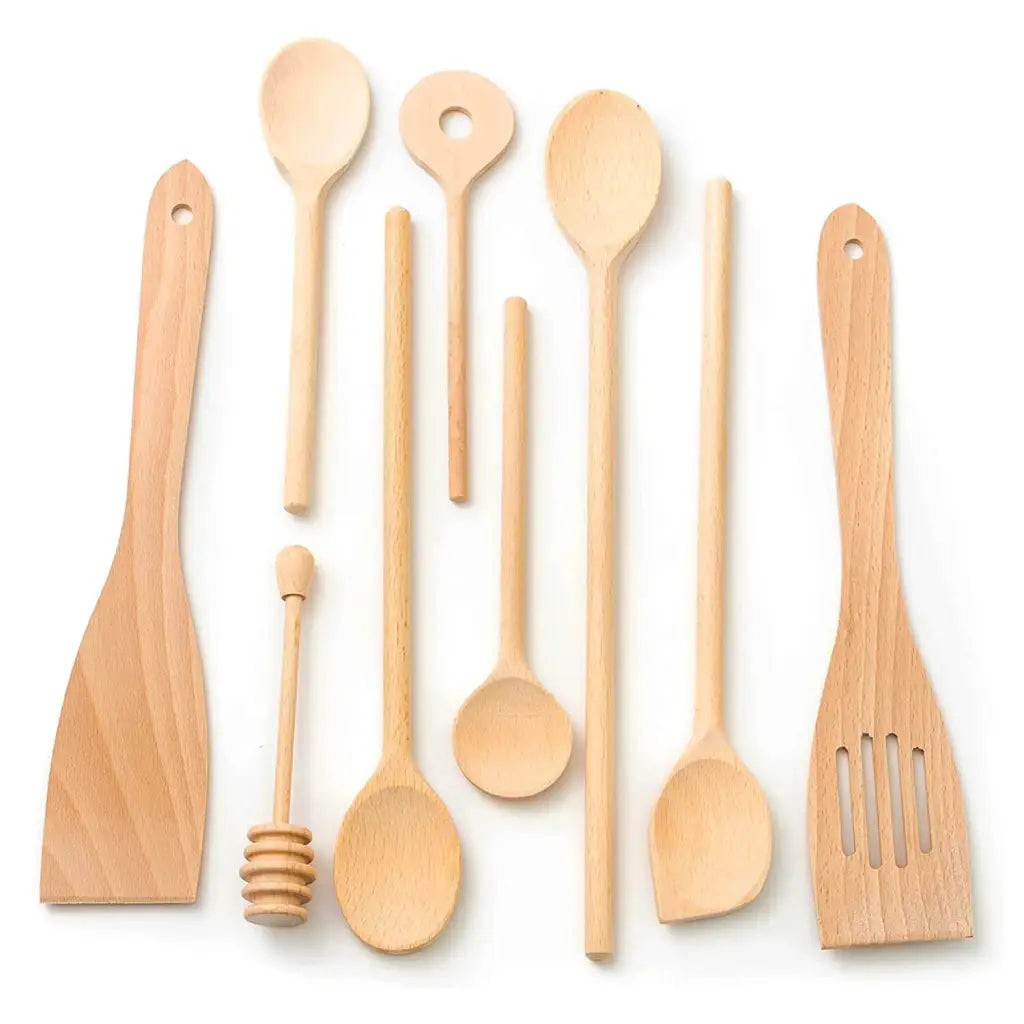
While you’re elevating your honey experience, why not look at our other kitchen products? From rolling pins to wooden massagers and custom-engraved boards, our wooden kitchen utensils aren’t just tools—they’re companions in your culinary journey.
FAQ: Best Wood for a Honey Spoon
What is the safest wood for a honey spoon?
- Beech and maple are among the safest. They’re food-safe, non-toxic, and commonly used by professional artisans. Many home cooks, like Sarah, trust these woods for their family’s health and peace of mind.
Can olive wood be used for honey dippers?
- Absolutely! Olive wood is dense, antibacterial, and visually stunning. It’s a favorite for those wanting something a bit different, as seen in gift sets purchased by many customers for housewarmings.
How often should I oil my wooden honey spoon?
- About once a month is ideal. One customer realized his spoon started to dry out after forgetting—regular oiling restored its beauty and smoothness.
Is bamboo a good choice for honey dippers?
- Bamboo is sustainable and lightweight, making it a decent alternative. However, for durability and heirloom quality, hardwoods like beech or maple are usually preferred, especially for those who cherish long-lasting kitchen heirlooms.
What makes wooden honey spoons eco-friendly?
- Wooden spoons are biodegradable, crafted from renewable resources, and can last years with simple care. Our partners plant new trees to replace every one harvested, as shown by our commitment to responsible sourcing.
How do I remove sticky honey residue from a wooden dipper?
- Rinse with warm water right after use and gently wipe dry. A client once shared that keeping a towel nearby for immediate clean-up made a huge difference in avoiding residue buildup.