How Often to Replace Wooden Utensils
Wooden utensils do not need a fixed replacement date
There is no single calendar rule for replacing wooden utensils. A well cared-for spoon, spatula or utensil set can stay useful for a long time, while a neglected tool may need replacing much sooner. Start with the condition of the product, not the number of months it has been in the drawer.
Tuuli shoppers can compare everyday wooden kitchen utensils, practical kitchen utensil sets and useful wooden kitchen gadgets when building a durable kitchen setup.
Signs a wooden utensil should be replaced
Replace a wooden utensil when it has deep cracks, splinters, rough broken edges, loose parts, heavy staining that cannot be cleaned, or a persistent smell after proper washing and drying. These signs matter more than age alone.
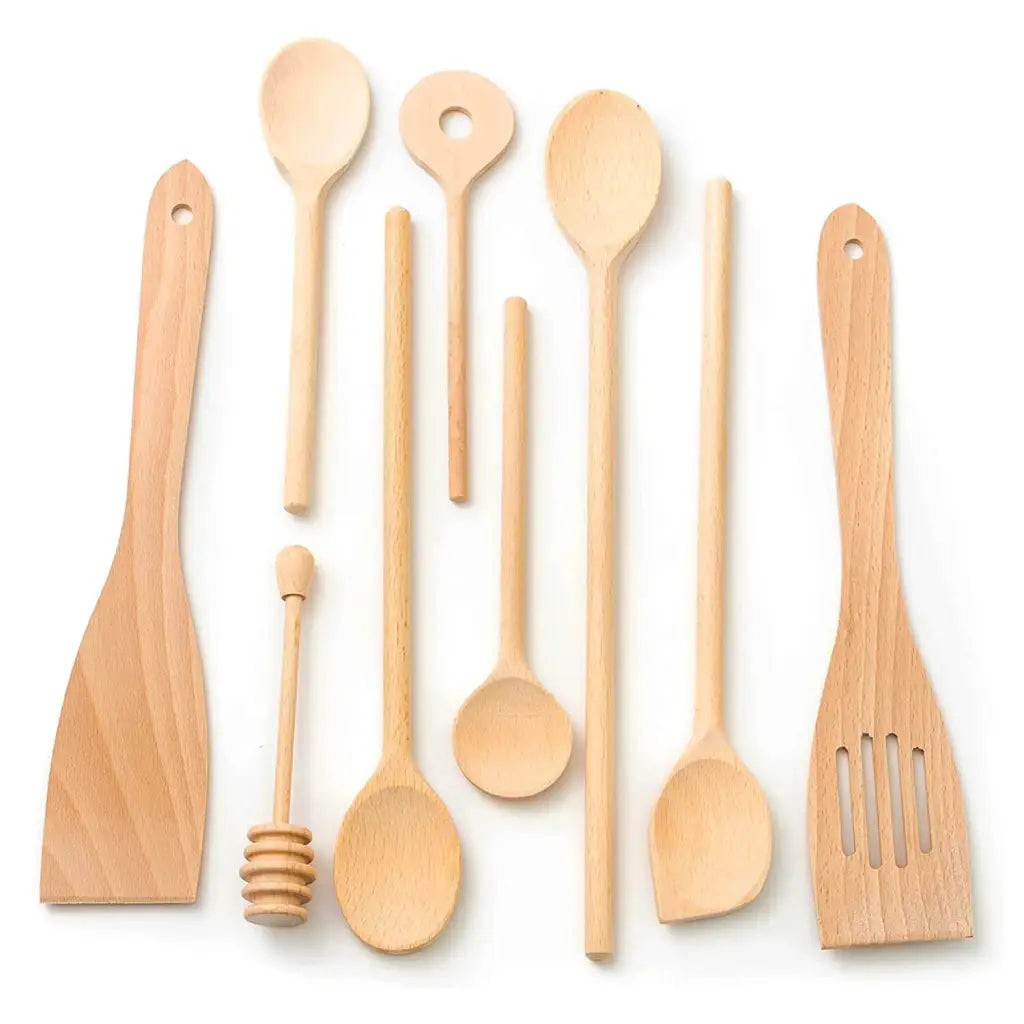
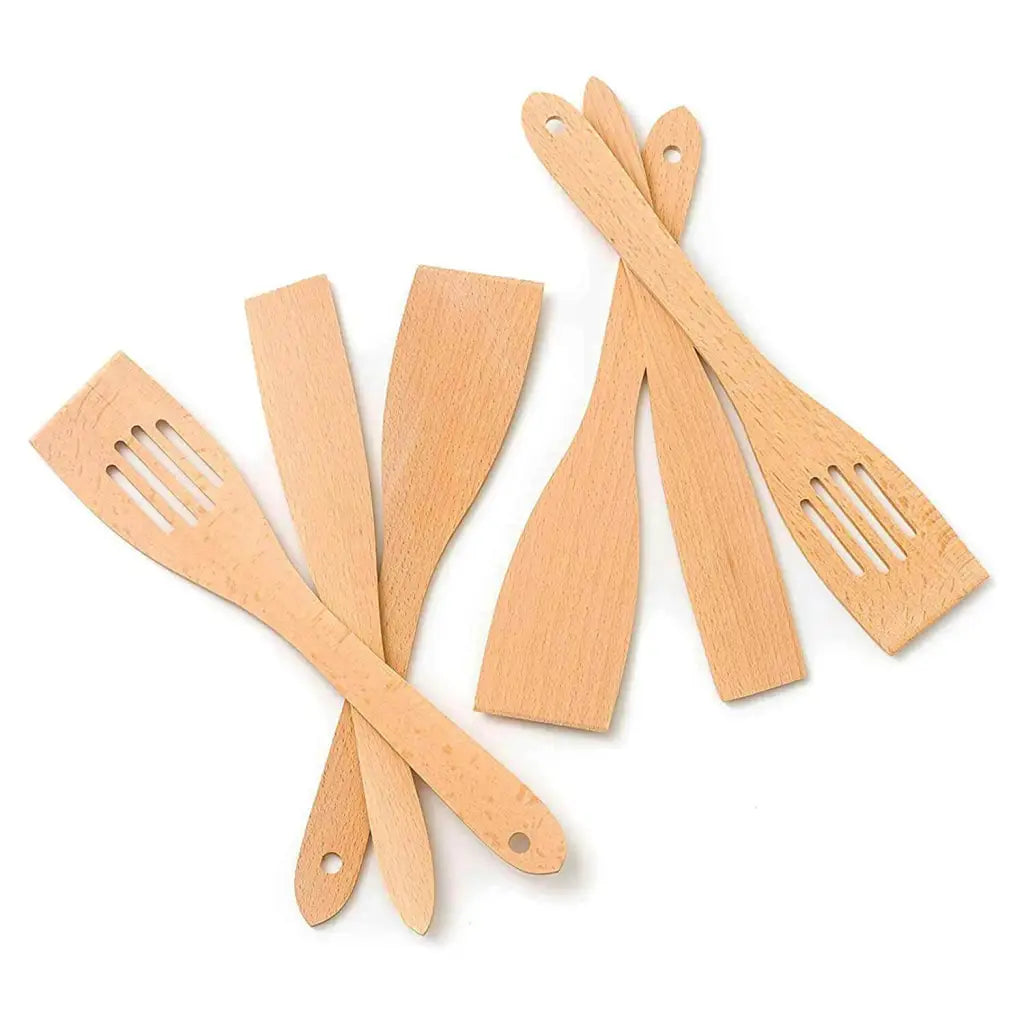
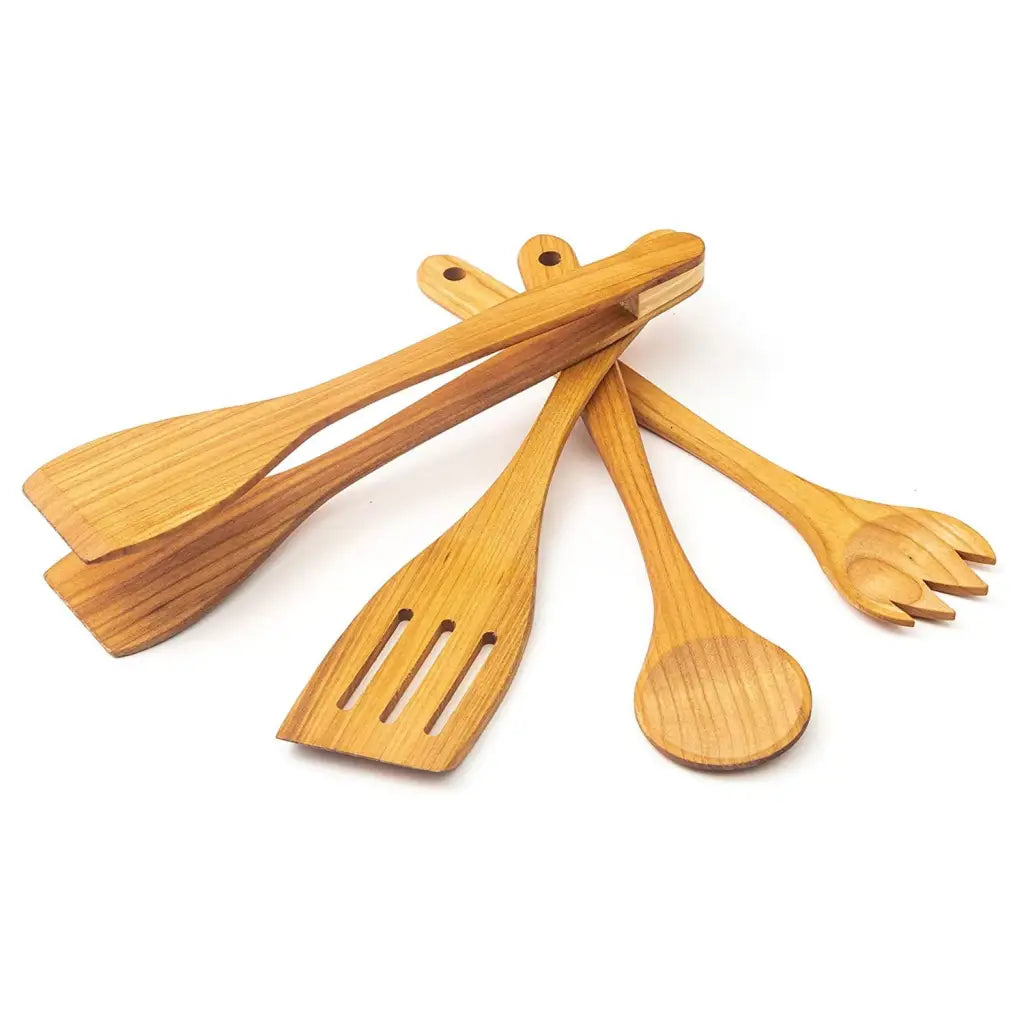
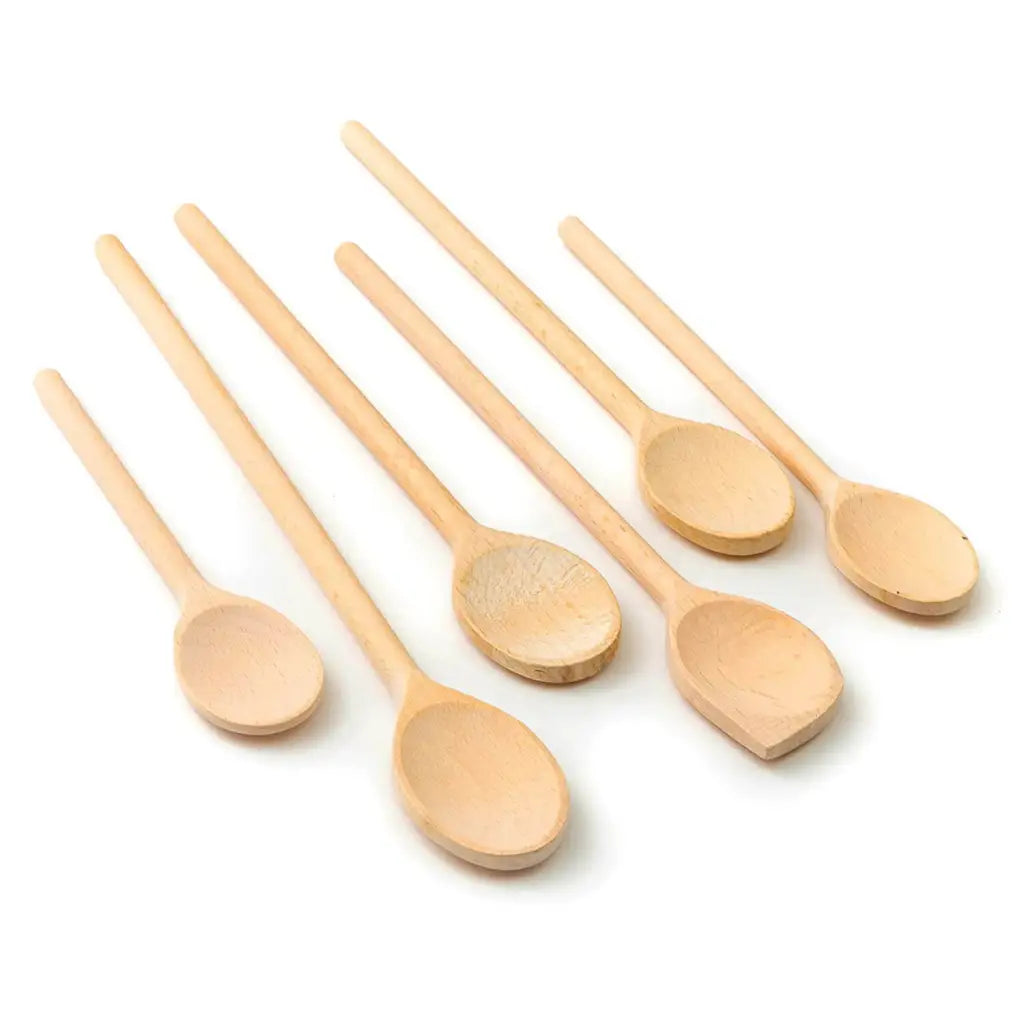
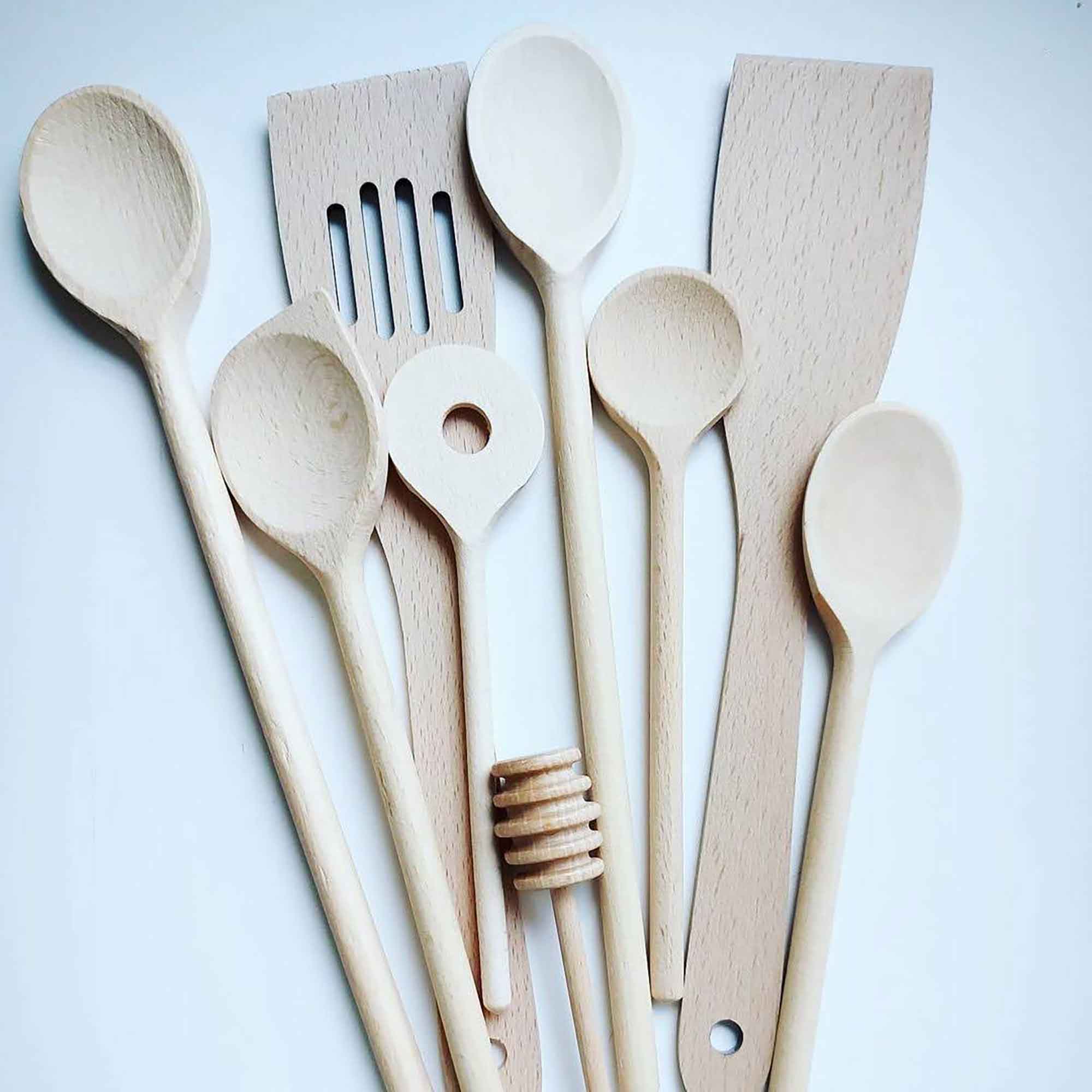
For regular cooking, compare products such as the 9-piece beechwood kitchen utensil set, the 15-piece beechwood utensil set and the 5-piece beechwood kitchen utensil set. A complete set makes it easier to rotate tools instead of overusing one spoon or spatula.
How to make wooden utensils last longer
Wash by hand, avoid long soaking and dry the wood fully before storage. The Tuuli instructions page is a useful starting point for basic care. For more detail, read how to clean wooden spoons and utensils, when to replace wooden kitchen utensils and wooden utensil safety expectations.
FAQ
Should I replace a wooden spoon just because it looks darker?
Not always. Normal color change from use is common. Replace it when the surface is damaged, cracked, splintered, smells bad after washing or no longer feels clean to use.
Is a utensil set better than one favorite spoon?
A set can help because tools are rotated by task. That reduces wear on one item and gives you the right shape for stirring, serving and scraping.

Written by Peter Čuček
Tuuli author bio
Tuuli blog and product-support content is prepared under the Tuuli editorial workflow and published by Peter Čuček, store owner of Tuuli, where applicable. The goal is to help customers choose, use, clean and store wooden products with accurate product facts, clear safety language and practical buying guidance.
Who writes Tuuli product-support and blog content?
Tuuli content is written and maintained by the Tuuli team, with product and brand context from Tuuli GmbH. Content focuses on real product details, materials, dimensions, care instructions, personalisation options, shipping, returns and customer support.
Editorial review process
- Product facts are checked against current Tuuli product information before publication.
- Internal links point to relevant products, collections, support pages and policy pages.
- Wooden massager and self-care content is reviewed for safe, non-medical wording.
- Selected wooden-massager and self-care pages include additional specialist content review where relevant.
Editorial focus
- Clear product fit: what the product is, who it is for and what is included.
- Material, dimensions, care and use guidance based on product information.
- Safe wording for wooden massagers and self-care tools.
- Internal links to relevant products, collections, instructions and support pages.
Contact and corrections
If a product detail, guide or support answer looks unclear or outdated, contact Tuuli at info@tuuli-shop.com. We review content updates against current product information and store policies.
Where to learn more
Learn more about Tuuli on the About page, check company details in the Impressum, browse the instructions page or visit the contact page if you have a product question.