Is It Better to Use Wooden or Silicone Utensils? The Expert Guide for Your Kitchen and Wellness Routine
Curious if wooden utensils really surpass silicone in usefulness, sustainability, and comfort? Discover why many home cooks and wellness enthusiasts are making the switch—plus care tips and real-life examples—right here. Nothing compares to the gentle, cozy feel of handcrafted wood during your busiest kitchen moments or as part of a soothing wellness routine. When you combine environmentally conscious choices with beautiful, functional products, you get more than just kitchen tools; you get pieces that tell a story and last a lifetime. Let’s dive in and uncover whether it’s truly better to choose wooden utensils over silicone for your daily life and overall well-being.
The Wooden vs. Silicone Utensil Debate: Which Reigns Supreme?
Choosing between wooden and silicone utensils is a common dilemma for anyone passionate about cooking, wellness, and home accessories. Each material has its champions, but is it really better to use wooden or silicone utensils? Let's break it down so you have all the facts before making your choice.
Key Advantages of Wooden Utensils in Everyday Life
- Natural Feel & Comfort: Wooden utensils offer a familiar, organic warmth in hand. Whether stirring a sauce or using a wooden massager after a workout, the tactile satisfaction is unbeatable.
- Eco-Friendly Choice: Sustainably sourced wood is biodegradable and renews naturally. Choosing wooden utensils supports environmental efforts and responsible forestry.
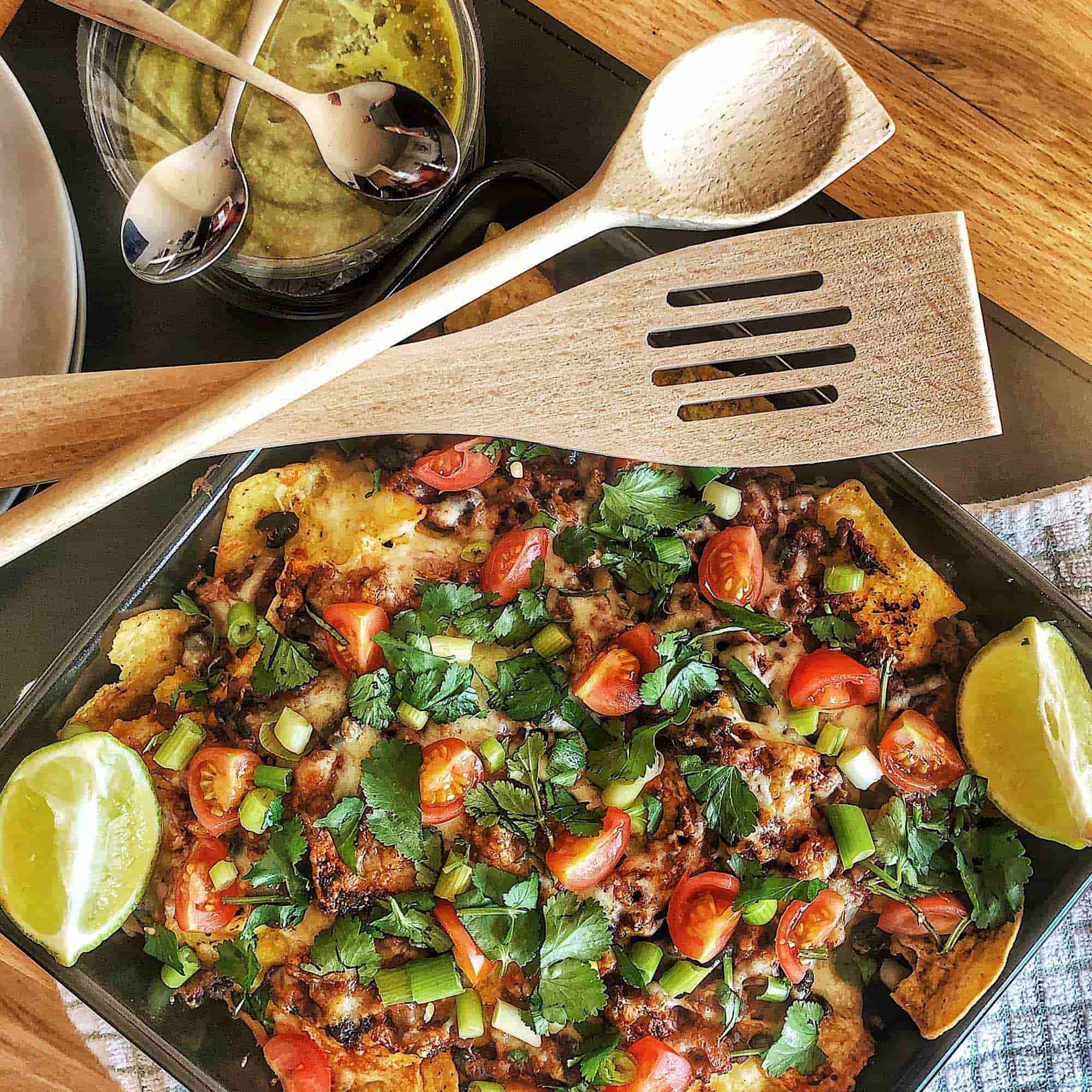
- Gentle on Cookware: Unlike metal or some rougher synthetics, wood is soft enough to avoid scratching nonstick pans and delicate surfaces.
- Long-Lasting Beauty: With a bit of care (more on that soon), wood develops a unique character and patina instead of degrading or cracking like silicone sometimes does with age and heat.
- Health & Safety: Quality woods are non-reactive and contain no harsh chemicals, unlike certain lower-cost silicone products that may have fillers or dyes.
When Real Life Meets Real Materials: A Kitchen Story
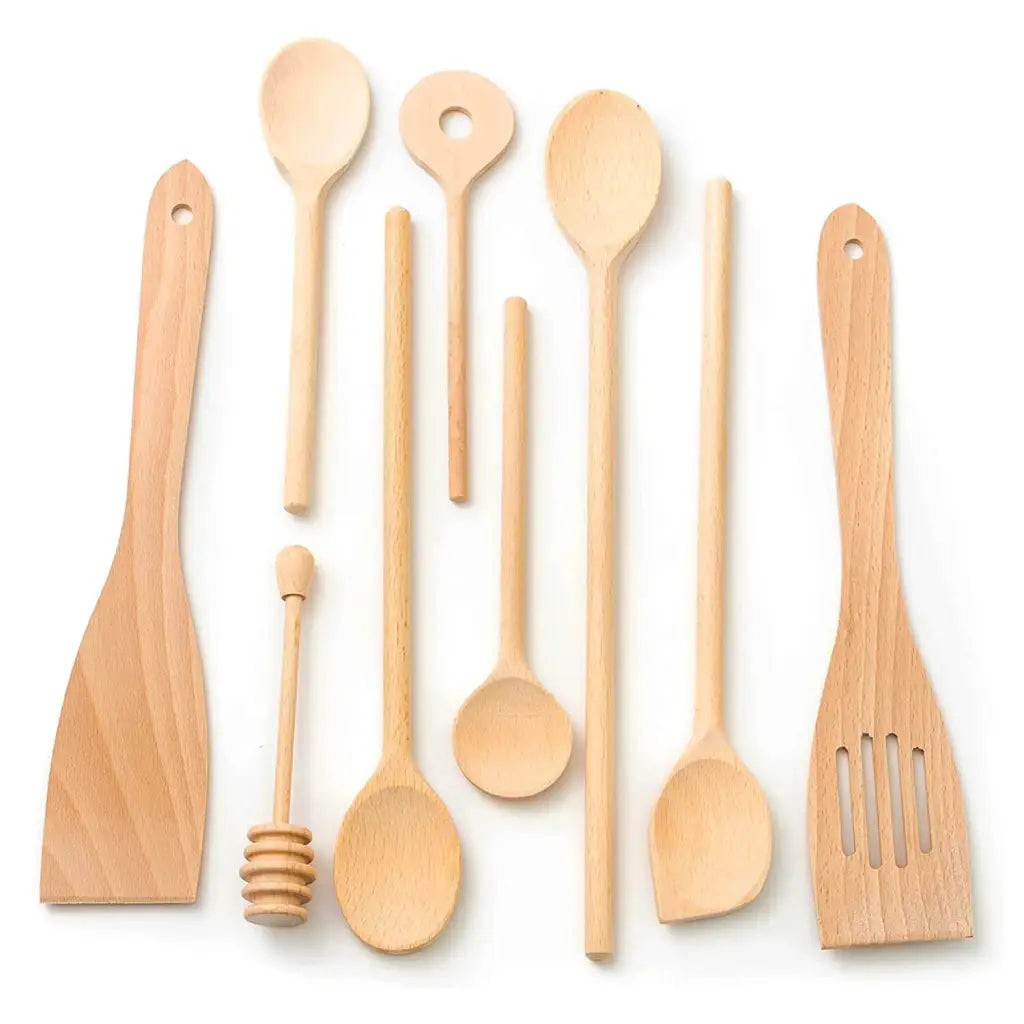
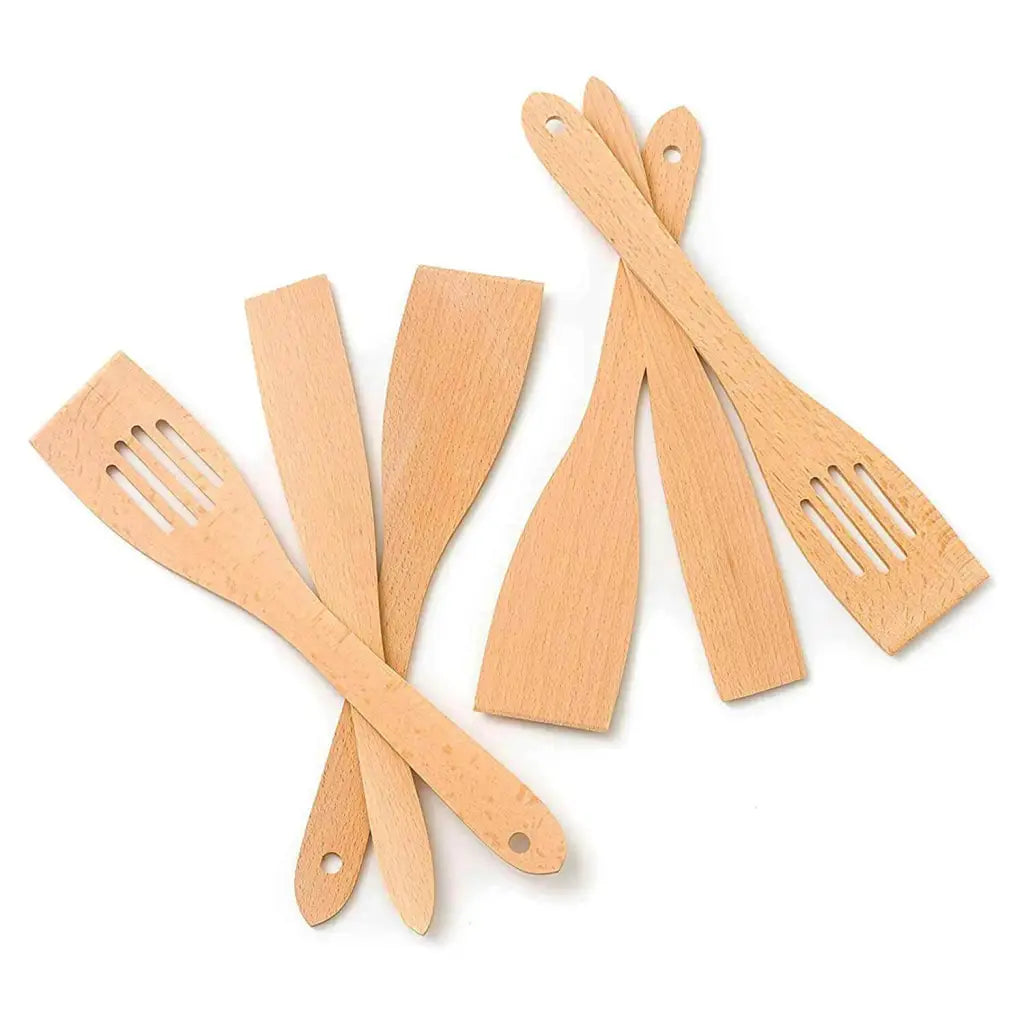
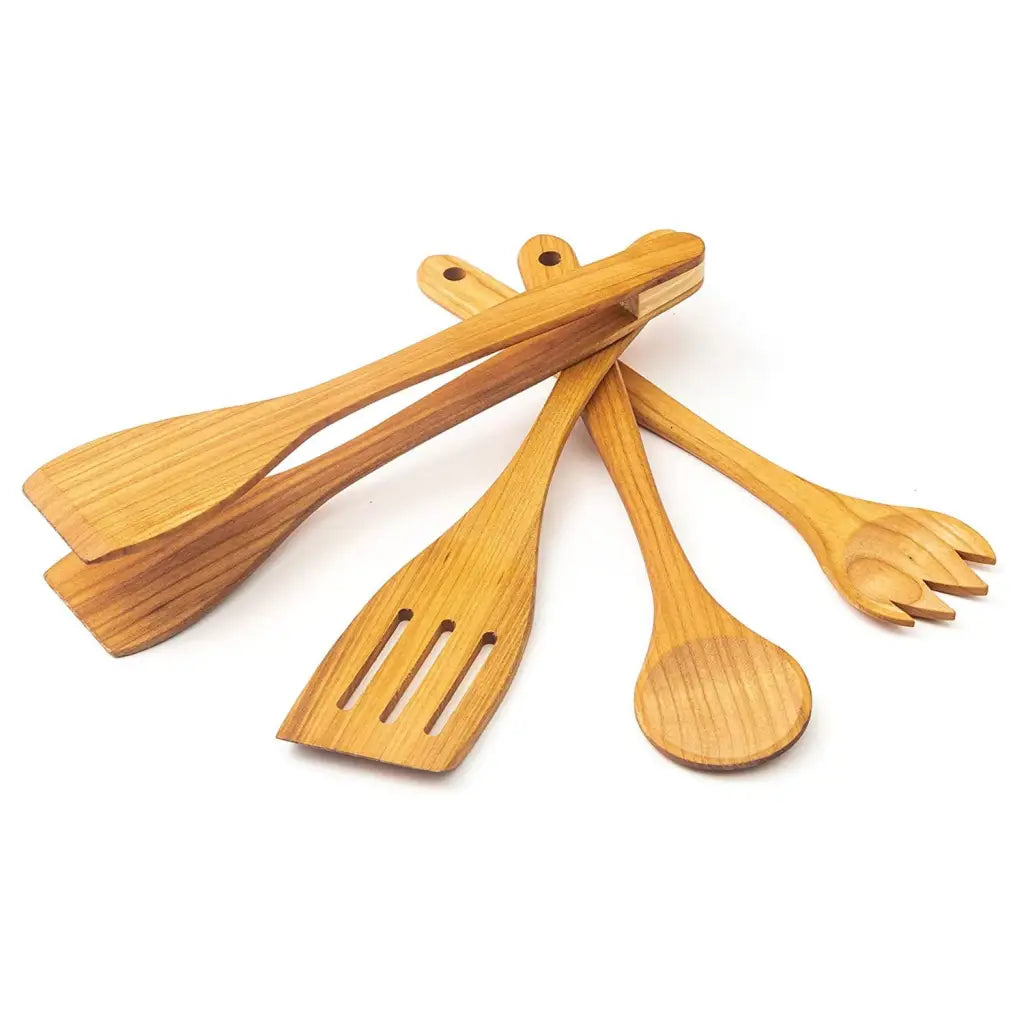
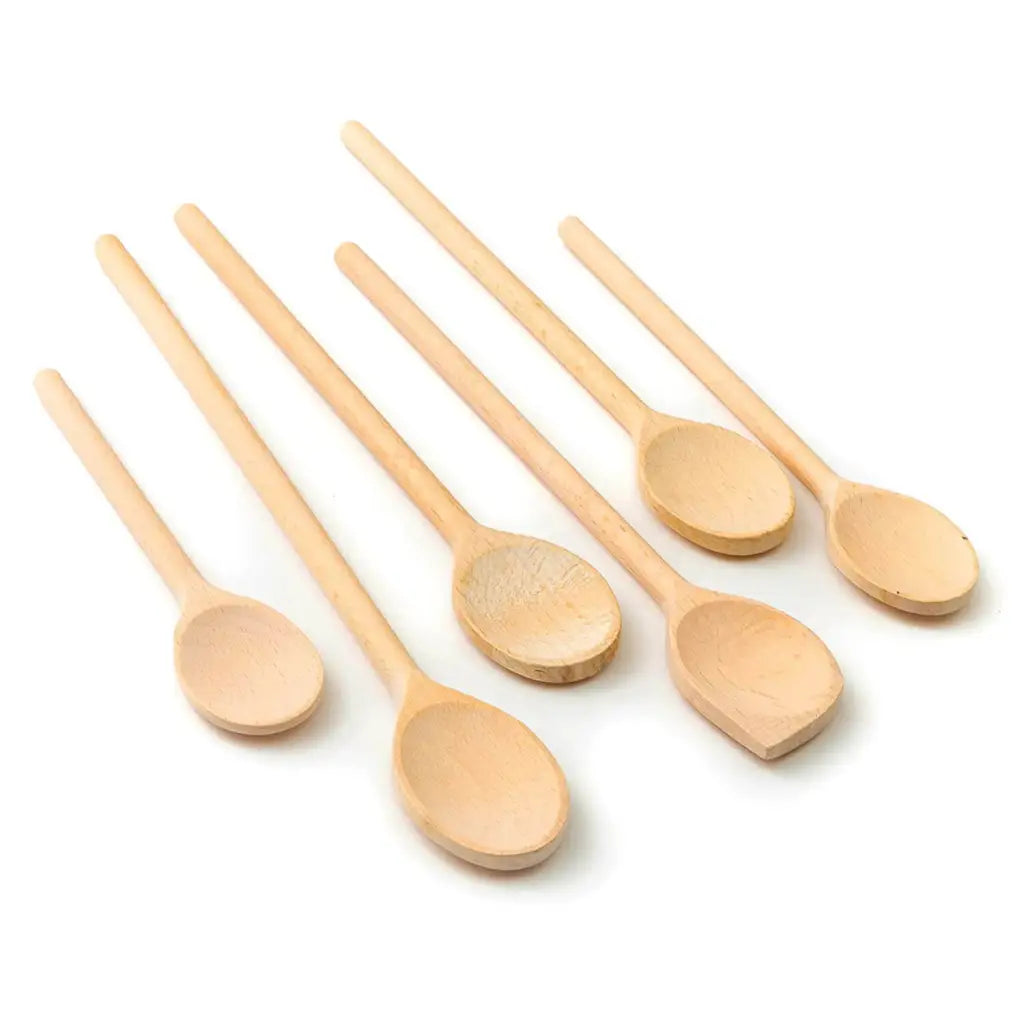
Imagine this: You're a busy parent rushing through meal prep on a Monday evening. You reach for your reliable wooden spoon—handcrafted from a single piece of beechwood—and it feels reassuringly solid. Later that same night, the stress of the day lingers. You pick up your favorite wooden roller massager, gliding it across your shoulders while your dinner simmers. Those calming, tactile sensations beat the clinical feel of plastic or the sometimes slick, impersonal grip of silicone. Many of our customers mention how switching to wooden utensils and wellness tools has led to less wear on their pans, more enjoyment in meal prep, and a cozier home vibe.
Sustainability Matters: How Wooden Utensils Support the Planet
The Path from Forest to Kitchen
Our wooden products are crafted with care, sourcing wood from responsibly managed forests. Each piece supports practices that protect biodiversity, encourage regrowth, and minimize waste. Think of it this way: for every wooden spatula or roller produced from sustainable sources, a tree is planted or preserved, contributing to cleaner air and healthier environments. One loyal customer told us how switching completely to wooden kitchenware felt like making a tangible difference, knowing our shop’s commitment to eco-friendly materials.
Comparing Environmental Footprints
- Wooden Utensils: Typically biodegradable, recyclable, and made without harsh chemicals.
- Silicone Utensils: Although more durable than plastic, silicone is a synthetic, energy-intensive material that’s not biodegradable and can be tricky to recycle.
Choosing wood is more than aesthetics—it’s a commitment to a cleaner future.
Caring for Your Wooden Massagers and Kitchen Utensils
Simple Steps for Longevity
- Regular Cleaning: Wash by hand with mild soap and warm water. Never soak wooden tools—excess moisture can cause cracking or warping.
- Thorough Drying: Towel dry immediately and air-dry standing up.
- Routine Oiling: Apply a thin layer of food-safe mineral oil periodically to keep wood hydrated and resilient. One time, I skipped this step on my roller massager and noticed the wood feeling dry and less supple. After a quick oil treatment, it bounced right back!
- Safe Storage: Store in a dry place, away from direct sunlight or heat.
Benefits of Wooden Massagers vs. Plastic or Synthetic Alternatives
Wooden massagers offer distinct advantages over their plastic or silicone rivals. After switching from a plastic roller to a handcrafted wooden massager, one of our regulars, Jane, felt the difference immediately. She noted improved grip, a smoother rolling motion, and—best of all—a sense of relaxation that felt more authentic. Massaging with wood connects you to nature, turning self-care into a holistic ritual rather than a chore.
Unique Features of Our Wooden Massagers and Utensils
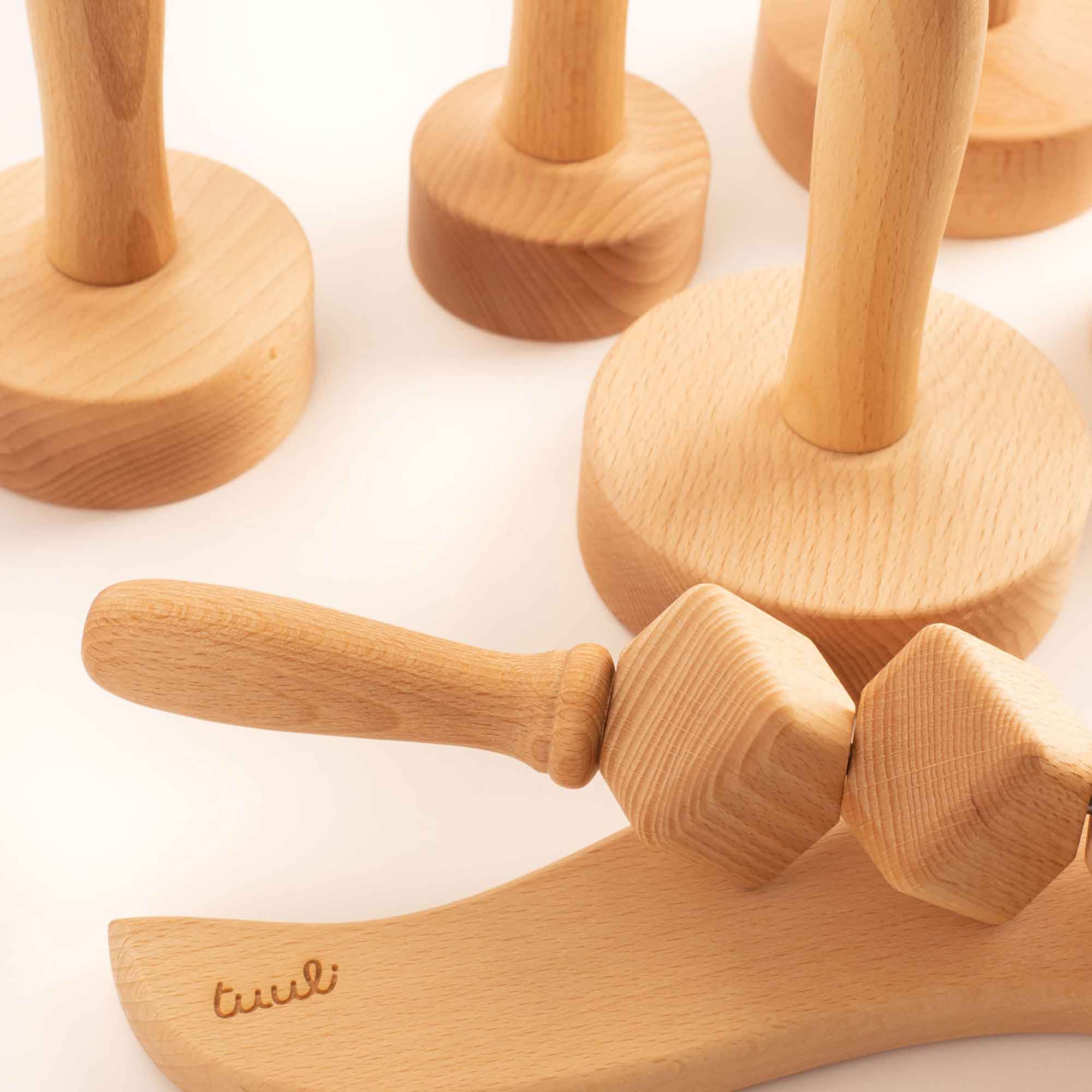
- Handcrafted Precision: Each massager is hand-shaped and sanded for smoothness. Our utensils are carved to highlight natural grain patterns—making every piece one of a kind.
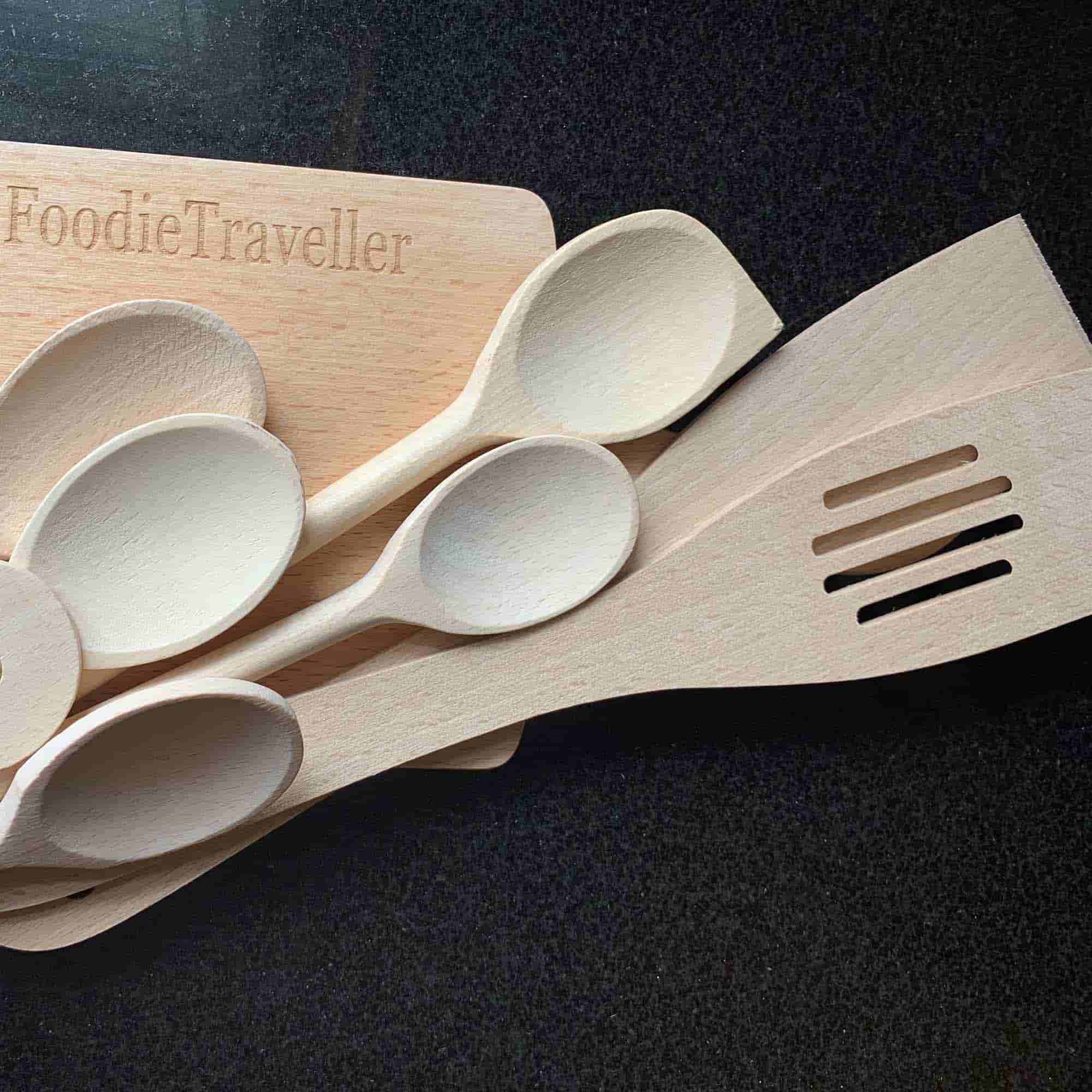
- Personalized Touches: We personalize items for a meaningful gift—engraving names or motifs for birthdays, anniversaries, or just because. Nothing beats seeing a friend’s smile as they unwrap a custom-engraved wooden spoon.
- Lightweight, Balanced Forms: Designed for comfort during everyday use, whether you're rolling out dough or kneading sore muscles after yoga.
Wooden Products for Human Wellness Routines
Our shop’s wooden wellness tools are popular among yoga lovers, cooks, and anyone seeking relaxation. Picture this: after a long week, you take a warm bath, then gently use a wooden roller across tired calves. The warmth of the wood, shaped by hand, eases tension in ways that synthetic massagers never could. The same applies to kitchen moments—wooden spatulas and spoons allow you to express care through food, adding authenticity to each dish.
Is It Better to Use Wooden or Silicone Utensils?
So, is it better to use wooden or silicone utensils? If you value sustainability, a natural look and feel, and handcrafted quality, wooden utensils are the clear winner. Silicone has its perks—like heat resistance and flexibility—but it lacks the biodegradable, long-lasting charm of wood. Wooden utensils and massagers bring warmth, sustainability, and tradition into your daily routine, turning every meal or wellness session into something special. Now, isn’t that what home and self-care are all about?
Frequently Asked Questions (FAQ)
Are wooden utensils safer than silicone utensils?
- Generally, yes. Wooden utensils made from food-grade woods are naturally non-toxic and free of unwanted chemicals. Silicone is safe when high-quality, but low-grade silicone can contain fillers. For example, our chef friend switched to only wood after concerns about accidental melting with cheap silicone spatulas.
How often should I oil my wooden massager or utensils?
- Once a month is ideal, depending on use and washing frequency. Our customer Karen noted her wooden massager felt smoother and looked rich in color after a monthly oil routine.
Can wooden utensils go in the dishwasher?
- No—hand wash only. Prolonged dishwasher exposure causes wood to crack or warp, as one customer discovered when their favorite spoon split after a cycle.
Do wooden massagers work better than plastic ones?
- Many users report a more soothing, connected experience with wood. One yoga instructor mentioned that a wooden roller felt more comfortable and warm during post-class recovery compared to her old plastic model.
Are wooden utensils suitable for nonstick pans?
- Absolutely. Wooden utensils are gentle on nonstick surfaces and avoid the scratching or melting risks that come with metal or some kinds of silicone.
Can I personalize wooden utensils or massagers?
- Yes, we offer engraving for a special touch. One customer gifted a personalized wooden spoon set for a wedding, making it an unforgettable keepsake.