How to Use a Wooden Vegetable Brush
Use a wooden vegetable brush for firm produce prep
A wooden vegetable brush is useful when you want to clean firm vegetables without peeling away more than necessary. It is especially practical for potatoes, carrots, parsnips, beetroot and other produce where soil can sit in small surface marks.
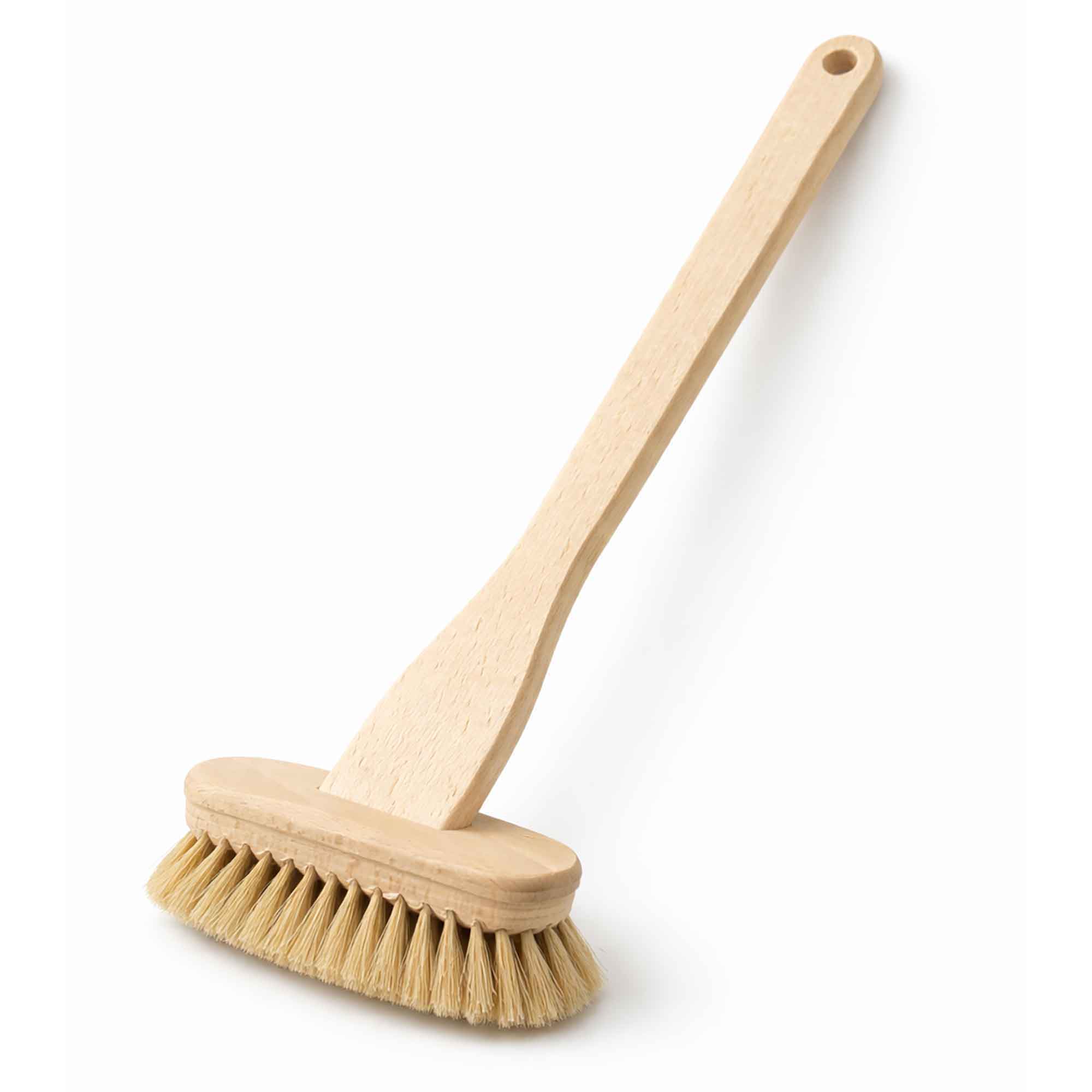
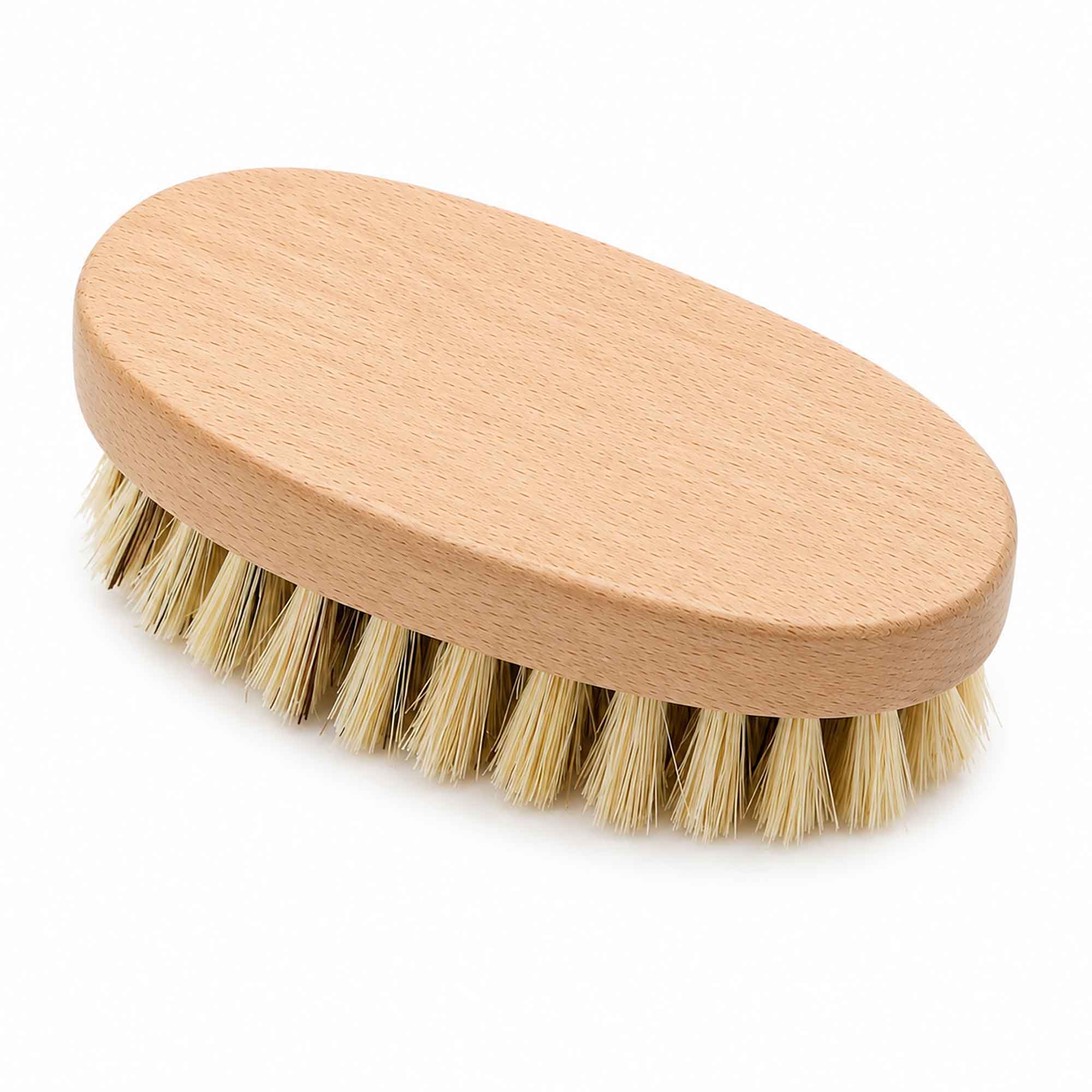
Tuuli's FSC beechwood vegetable brush is a compact kitchen tool for everyday prep. It fits naturally beside wooden kitchen utensils and other simple wooden kitchen gadgets.
Step-by-step: how to use a wooden vegetable brush
1. Rinse the vegetables first
Hold the vegetable under cool running water to remove loose dirt. This makes brushing easier and keeps the bristles from doing all the work.
2. Brush with short, controlled strokes
Use light to moderate pressure and work around the surface. Pay attention to uneven areas, stems and shallow marks where soil can remain.
3. Rinse again before cutting
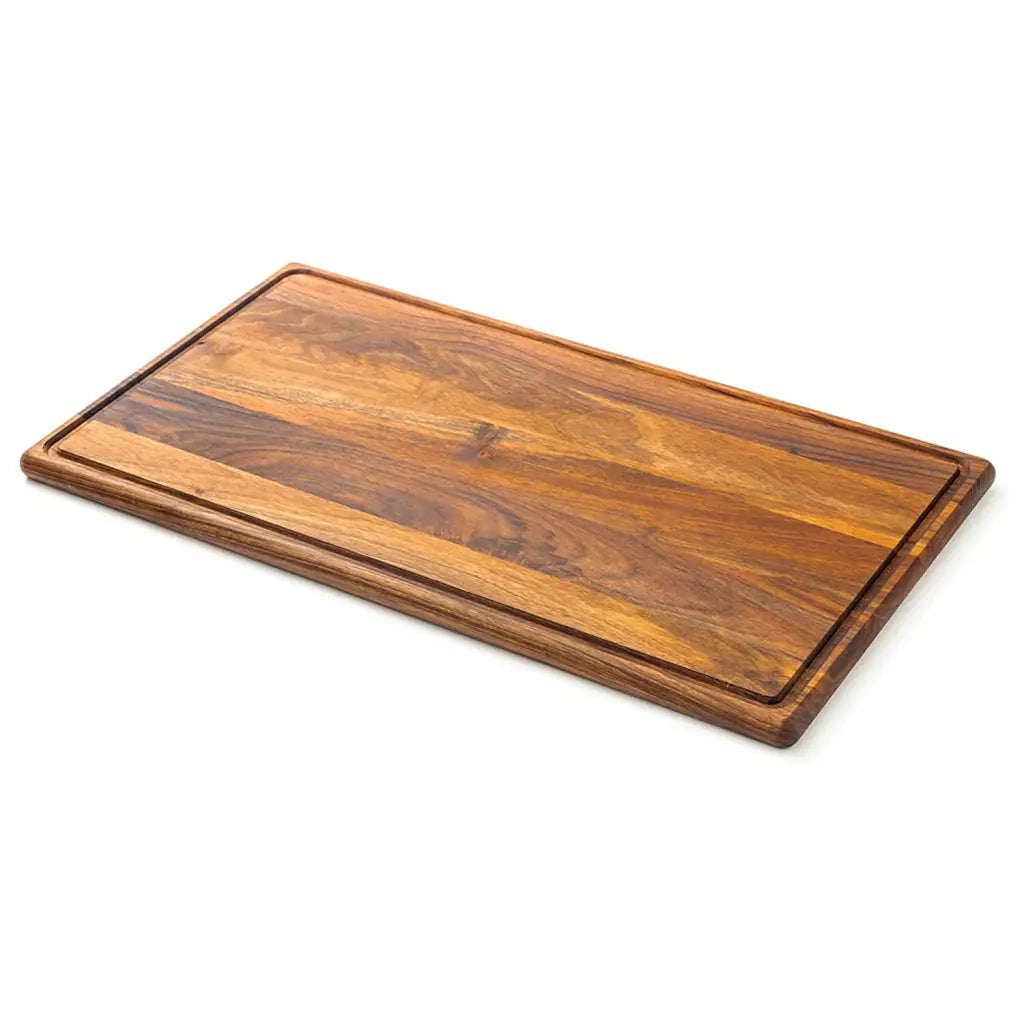
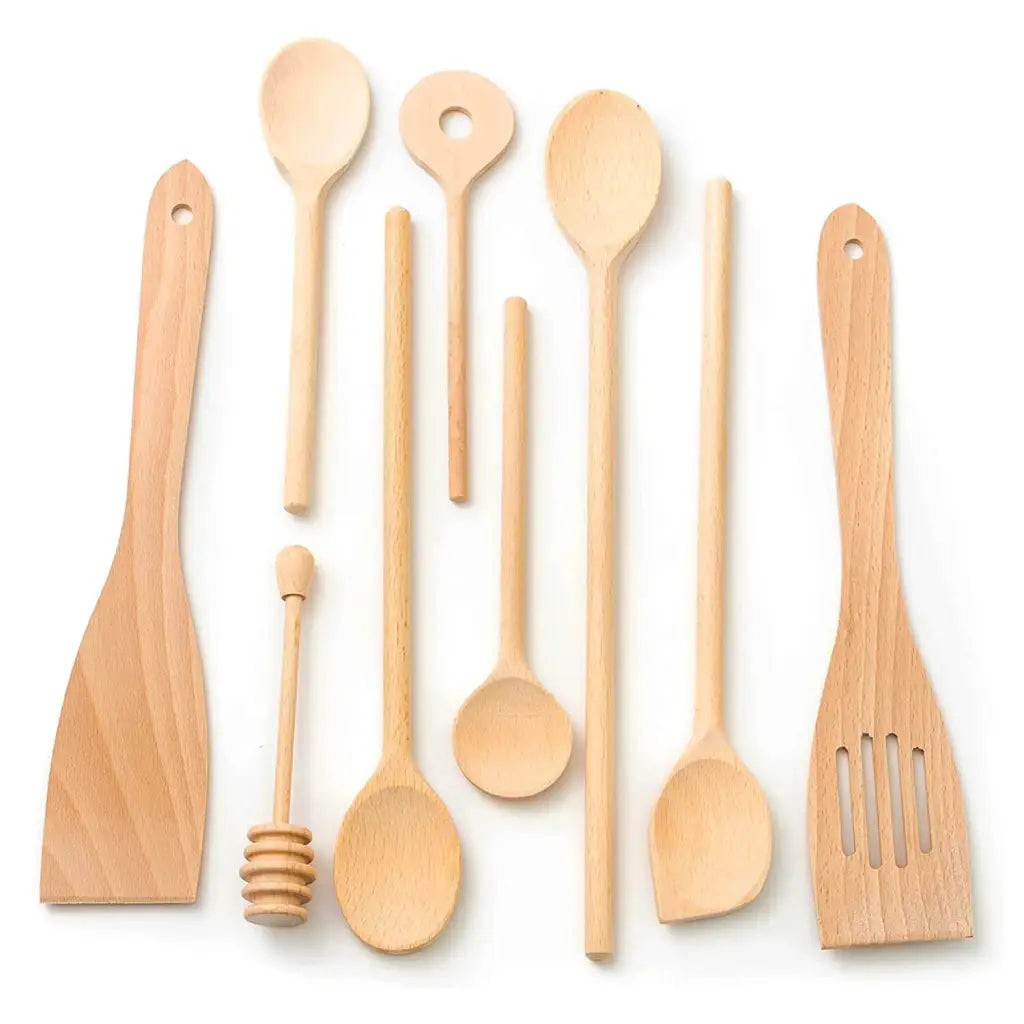
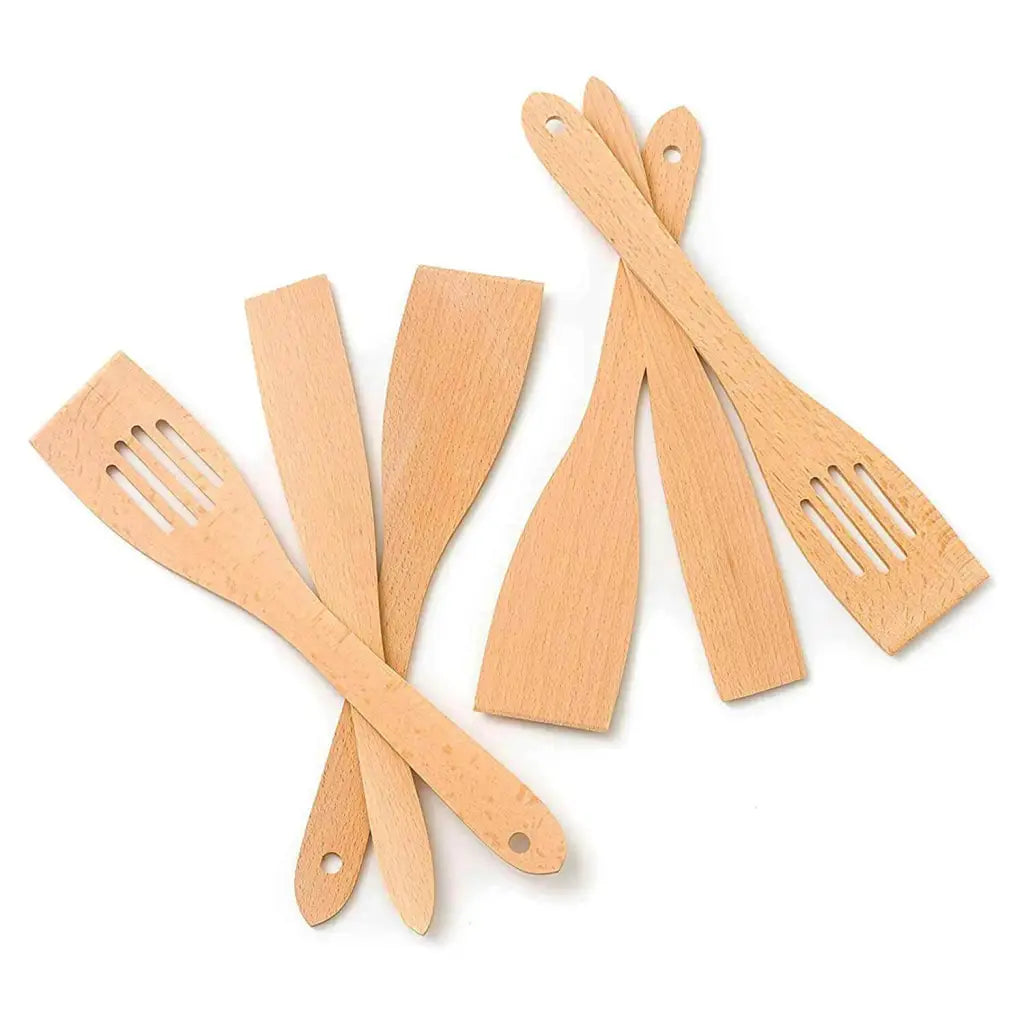
After brushing, rinse the vegetable once more before placing it on a board. A wooden prep setup can include a brush, a cutting board and a practical tool such as a beechwood spatula set for cooking after prep.
4. Clean the brush after use
Rinse the bristles, shake off water and let the brush dry in a ventilated place. Do not leave the wooden body soaking in water.
Which vegetables work best?
A vegetable brush is most useful for firm produce with skin you want to keep, such as potatoes, carrots, sweet potatoes, parsnips and beetroot. For delicate produce, use gentler handling so the surface does not bruise.
If you often prepare food from scratch, compare this brush with other everyday tools in the kitchen utensils collection or read our guide to essential wooden kitchen accessories.
Cleaning and storage tips
Do not soak the wooden handle
Brief rinsing is enough. Long soaking can shorten the useful life of wooden tools.
Let it dry with airflow
Store the brush where air can reach the bristles. Avoid closing a damp brush inside a drawer immediately after washing.
Replace when the brush no longer cleans well
If the bristles are flattened, the wooden body is damaged or the brush becomes difficult to clean, replace it. The same practical replacement logic applies to spoons and spatulas, as explained in our guide on how often to replace wooden utensils.
Build a simple wooden prep station
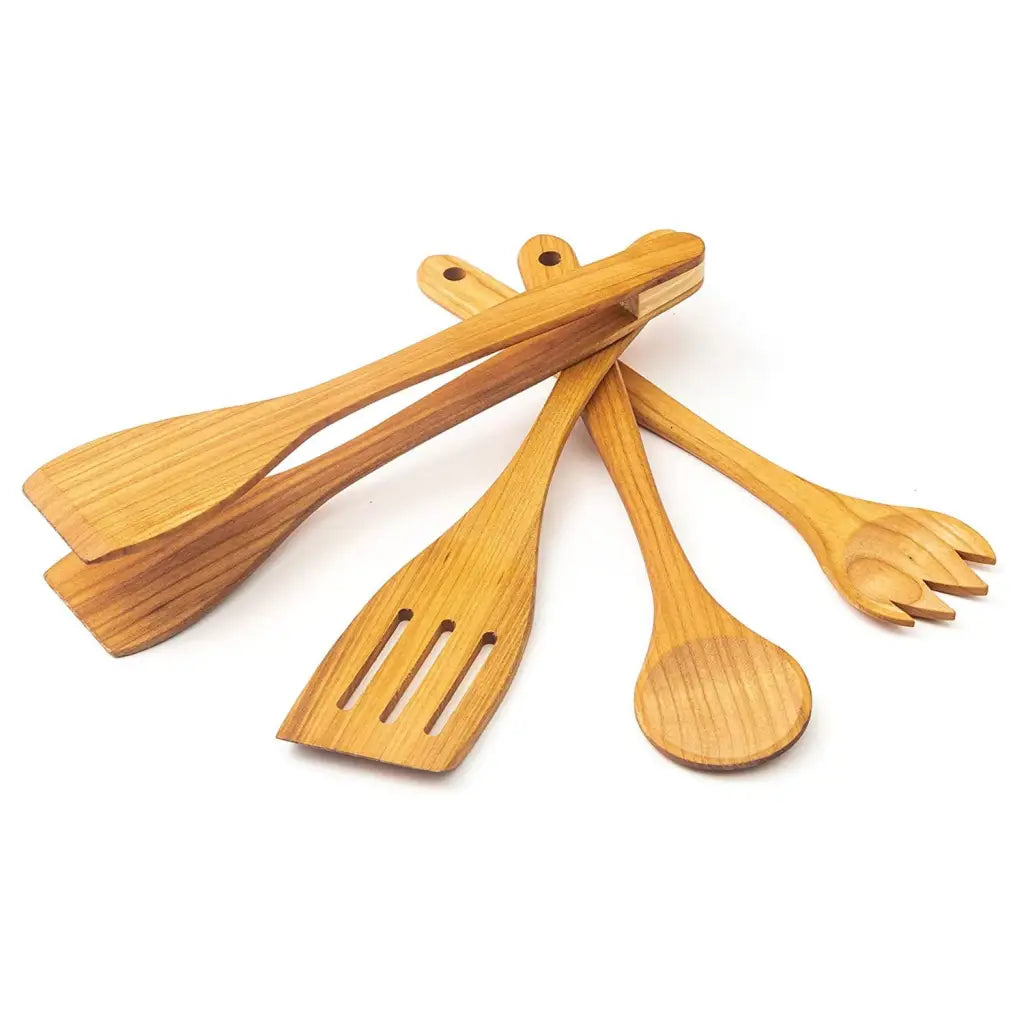
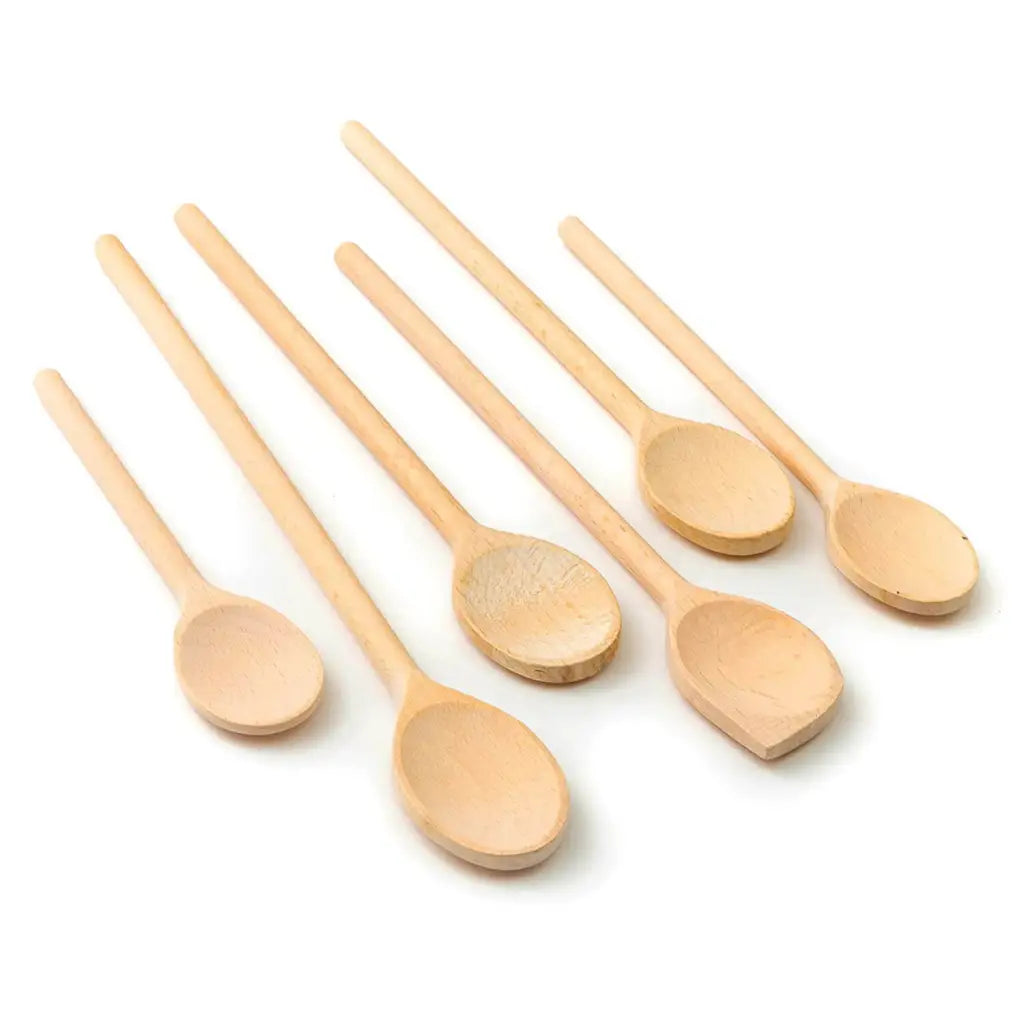
For a compact kitchen prep area, pair a vegetable brush with a board, spoon set and spatula set. Start with the wooden vegetable brush and add tools from wooden spoon sets only when they match how you cook.
For general wooden tool care, use the Tuuli instructions page and our guide on how to clean wooden spoons and utensils.
FAQ
Can I use a wooden vegetable brush on potatoes?
Yes. Potatoes are one of the most common uses for a vegetable brush. Rinse first, brush gently and rinse again before cutting or cooking.
Can the brush go in the dishwasher?
No. Hand rinse the brush, shake off excess water and let it dry with good airflow.
Is a vegetable brush only for vegetables?
It is best kept for vegetable and produce prep. Avoid mixing it with cleaning tasks outside food preparation.
Where should I store it?
Store it in a dry, ventilated place after it has fully dried.

Written by Peter Čuček
Tuuli author bio
Tuuli blog and product-support content is prepared under the Tuuli editorial workflow and published by Peter Čuček, store owner of Tuuli, where applicable. The goal is to help customers choose, use, clean and store wooden products with accurate product facts, clear safety language and practical buying guidance.
Who writes Tuuli product-support and blog content?
Tuuli content is written and maintained by the Tuuli team, with product and brand context from Tuuli GmbH. Content focuses on real product details, materials, dimensions, care instructions, personalisation options, shipping, returns and customer support.
Editorial review process
- Product facts are checked against current Tuuli product information before publication.
- Internal links point to relevant products, collections, support pages and policy pages.
- Wooden massager and self-care content is reviewed for safe, non-medical wording.
- Selected wooden-massager and self-care pages include additional specialist content review where relevant.
Editorial focus
- Clear product fit: what the product is, who it is for and what is included.
- Material, dimensions, care and use guidance based on product information.
- Safe wording for wooden massagers and self-care tools.
- Internal links to relevant products, collections, instructions and support pages.
Contact and corrections
If a product detail, guide or support answer looks unclear or outdated, contact Tuuli at info@tuuli-shop.com. We review content updates against current product information and store policies.
Where to learn more
Learn more about Tuuli on the About page, check company details in the Impressum, browse the instructions page or visit the contact page if you have a product question.